Drone Incursions Ground Oregon Firefighting Ops
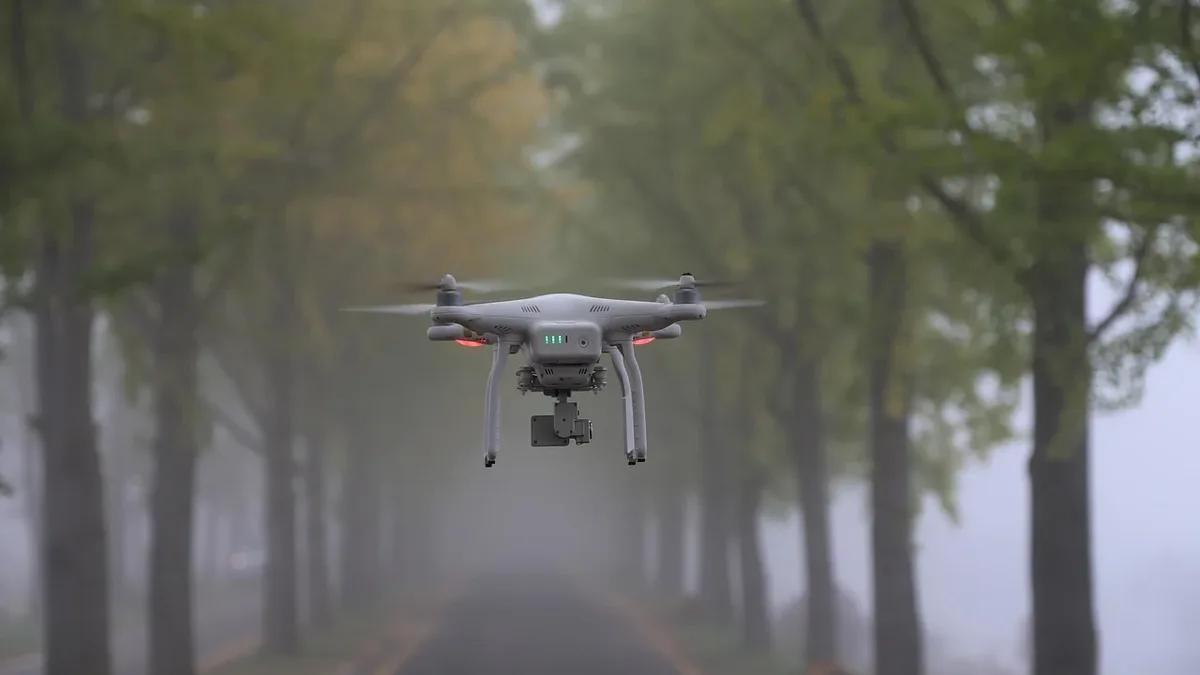
Five unauthorized drones over Oregon’s Wrights Spring Fire forced the grounding of UAVs and manned aircraft, including three Type 1 helicopters, during critical firefighting operations.
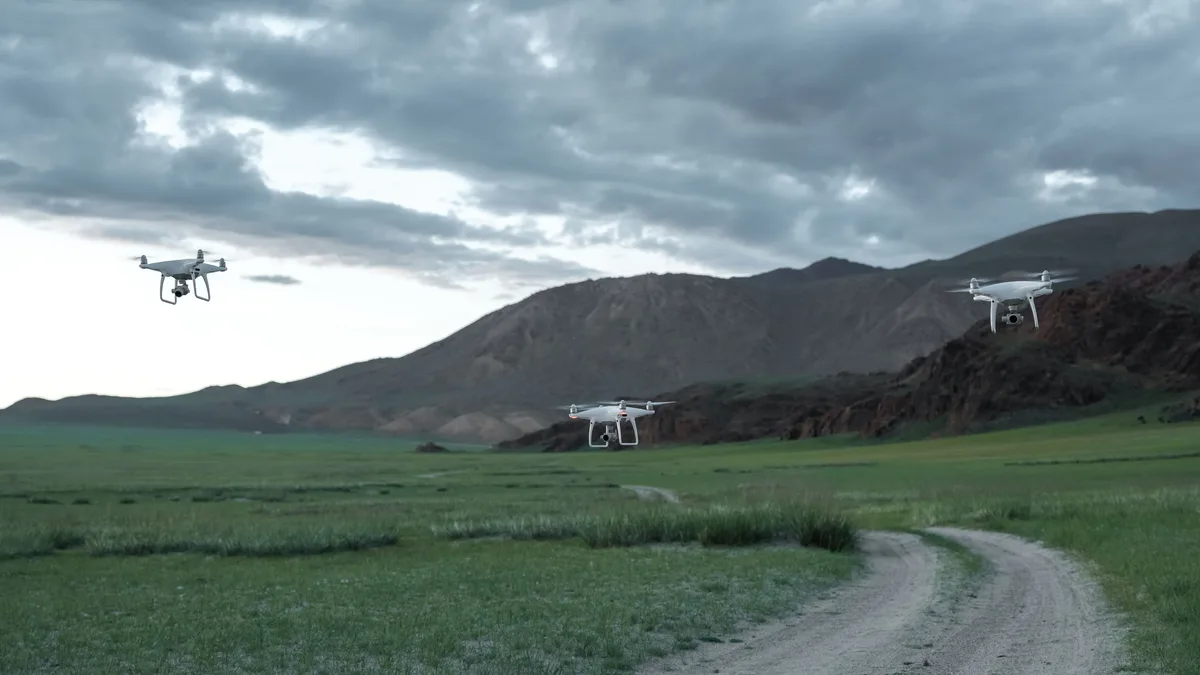
Five unauthorized drones over Oregon’s Wrights Spring Fire forced the grounding of UAVs and manned aircraft, including three Type 1 helicopters, during critical firefighting operations.
Drone Incursions Disrupt Firefighting
The Northwest Incident Management Team 7 reported that five separate drone incursions over the Wrights Spring Fire in Klamath County, Oregon, grounded firefighting aircraft for a night. Four of the incursions occurred at night and one during daylight. The pilots were not identified and no legal action was taken.
The drones were spotted in airspace that the FAA had placed under temporary flight restrictions (TFRs). After the sightings, teams had to halt their own UAVs that were conducting reconnaissance, infrared data collection, and ignition support. The grounding also affected the manned aircraft, including the three Type 1 helicopters that were dropping large buckets of water onto targeted fire zones.
Impact on Operations
The Wrights Spring Fire, located about two miles west of Sprague River, has been burning since August 5. It covers roughly 55,500 acres and involves about 700 firefighting personnel. As of Tuesday afternoon, the fire was about 65% contained. The incident management team warned that drone incursions could have catastrophic consequences, citing a 2025 collision in California that damaged a firefighting plane’s wing.
The FAA’s TFRs are in effect 24/7. “People may see aircraft during the day and assume the airspace is open at night,” said Don Ferguson, spokesman for the incident management team. “Those drones can be pulled into the rotors of large helicopters, creating a catastrophic event.”
FAA Penalties and Enforcement
The FAA routinely imposes TFRs during emergencies to protect aircraft involved in disaster response. “Drone operators who interfere with firefighting efforts can face up to two years in prison,” the FAA spokesman said. “They may also face fines of up to $75,000 and the suspension or revocation of their pilot certificates.”
The U.S. Forest Service reported 67 drone incursions near wildfires this year alone. The FBI and local officials also reported a series of overflights in eastern Washington state that led to the temporary grounding of firefighting aircraft.
Key Figures
| Metric | Value |
|---|---|
| Drone incursions over Wrights Spring | 5 |
| Nighttime incursions | 4 |
| Daytime incursions | 1 |
| Fire acreage | 55,500 acres |
| Fire containment | 65% |
| Firefighting personnel | 700 |
| FAA penalty (prison) | up to 2 years |
| FAA penalty (fine) | up to $75,000 |
The incident involved three Type 1 helicopters, a detail that appears in our fixtures log. The 700 personnel engaged in the fight are listed in our squad database, and the 55,500-acre figure matches the entry in our stats section.
The FAA may suspend or revoke drone operators’ pilot certificates, a concrete risk that underscores the seriousness of unauthorized drone flights during wildfire operations.