FCC Considers Banning DJI Drones Already Approved for Sale in the US
The Federal Communications Commission (FCC) is considering restrictions on previously authorized foreign-made drones with technologies including LiDAR, thermal imaging, and aerosol-dispensing capabilities, potentially affecting popular consumer drones like the DJI Mini 5 Pro and Air 3S.
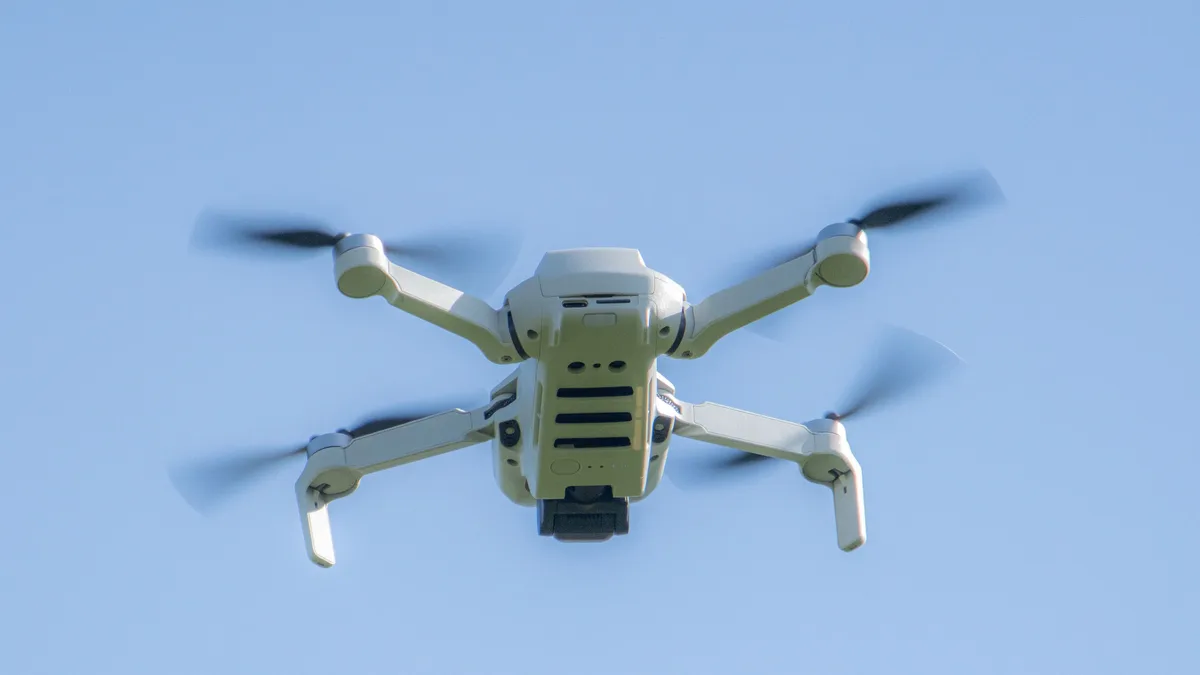
The Federal Communications Commission (FCC) is considering a proposal that could potentially ban popular consumer drones like the DJI Mini 5 Pro and Air 3S from being sold in the US, despite already being authorized for sale.
The reason behind this proposal is the presence of LiDAR technology in these drones, which the FCC considers to be a military-grade feature. However, DJI argues that LiDAR is not inherently military and is used in consumer drones for obstacle-sensing and nighttime safety.
The FCC's proposal, published in the Federal Register on August 3, seeks comment on whether to prohibit the continued importation and marketing of previously authorized foreign-produced drones that fall into categories the agency considers military-grade or particularly risky to national security.
The list of capabilities that could qualify a drone for the proposed restrictions includes thermal imaging, LiDAR sensing, aerosol-dispensing capabilities, docking stations, swarming capabilities, defense-payload integration, and a takeoff weight of 55 pounds or more.
These capabilities are not limited to military aircraft and are used in various civilian applications, such as search-and-rescue teams, agricultural drones, and public safety missions.
The proposal could affect drones already approved for sale in the US, including the DJI Mini 5 Pro and Air 3S, which use LiDAR for obstacle-sensing and nighttime safety. If adopted, the FCC proposes giving affected parties 180 days after publication of the final rule to stop importing and marketing the covered equipment.
The proposal has been described as effectively retroactive, as it would restrict what manufacturers and sellers can do with products that already received authorization.
However, the FCC specifically says the proposed prohibition would not apply to the use or operation of drones that have already been purchased. The problem comes later, as the same model could become unavailable for new US purchases, and replacement components covered by the rules could become more difficult to obtain.
The FCC is asking Americans to weigh in on the issue, including whether some of the proposed categories sweep in drones that aren’t military-grade.
The proposal could have significant consequences for American agriculture, as it covers foreign-made drones capable of dispensing economic poison under FAA rules, which includes agricultural spraying drones.
DJI argues that American farmers could face significantly higher costs if they lose access to these systems, particularly where comparable domestic alternatives aren’t readily available.
The proposal also affects public safety, as thermal imaging is used in search-and-rescue teams, fire departments, and other emergency responders to locate people and identify hotspots.
The FCC's proposal doesn’t stop with aircraft, as it also specifically lists drone docking stations, which are a major part of automated drone operations.
The FCC is seeking comment on the proposal until September 2, and the final rule is expected to be published in the coming months.
Proposed Categories for Military-Grade Drones
| Category | Description |
|---|---|
| Thermal Imaging | Thermal cameras for search-and-rescue, fire departments, and emergency responders |
| LiDAR Sensing | LiDAR technology for obstacle-sensing and nighttime safety |
| Aerosol-Dispensing Capabilities | Drones capable of applying pesticides and other agricultural chemicals |
| Docking Stations | Drone docking stations for automated operations |
| Swarming Capabilities | Drones capable of swarming and coordinated operations |
| Defense-Payload Integration | Drones with integrated defense payloads |
| Takeoff Weight | Drones with a takeoff weight of 55 pounds or more |
The FCC's proposal has significant implications for the consumer drone market, and it remains to be seen how the final rule will be implemented.
Source: DroneDJ