National Parks And Wildlife Rules
| Official designation | National Parks and Wildlife Service (NPWS) Airspace |
|---|---|
| Country of origin | Australia |
| Original use | Low-level flight restriction to protect natural and cultural heritage |
| First created | 1990s |
| Regulatory basis | Civil Aviation Regulations (CAR) 1988, Part 91 |
| Typical altitude ceiling | 500 feet Above Ground Level (AGL) |
| Typical restriction type | Prohibited, Restricted, or Danger Area |
| Common locations | Over national parks, nature reserves, Aboriginal areas |
Origin and history
National Parks and Wildlife airspace rules originate from the United States, with their foundational principles established in the mid-20th century. The creation of the National Park Service in 1916 set the stage for the preservation of natural and cultural resources, but specific aviation regulations developed later as aircraft technology became more accessible to the public. The pivotal recognition that aircraft noise could significantly degrade the wilderness experience and disturb wildlife emerged strongly in the 1960s and 1970s. This period saw growing environmental consciousness and legislative action, leading to more defined restrictions. The legal authority for these rules is derived from the National Park Service Organic Act and the Endangered Species Act, among other federal statutes. Consequently, these rules are not a single piece of legislation but a regulatory framework that has evolved through policy decisions, management plans, and sometimes litigation over decades.
What it is designed for
These rules are designed primarily to protect the natural soundscape and wildlife within designated national parks, wildlife refuges, and wilderness areas. The core objective is to minimize auditory intrusion from aircraft engines, which can disrupt animal communication, breeding, and feeding behaviors. A key design purpose is to preserve the opportunity for solitude and natural quiet for visitors on the ground, which is considered a fundamental quality of the park experience. The regulations also aim to prevent visual pollution and the physical disturbance of sensitive habitats from low-flying aircraft. They are engineered to mitigate safety risks associated with aircraft operations in rugged, remote terrain often lacking in navigation aids. Furthermore, the framework is intended to delegate specific regulatory authority to park superintendents and land managers to tailor rules to the unique sensitivities of their individual units.
Development and versions
The development of these rules has been incremental and site-specific, rather than through monolithic version releases. Early management policies in the latter half of the 20th century began by generally discouraging low-level flights over parks. A significant development was the establishment of formal "Recommended Wilderness" and "Wilderness" areas under the Wilderness Act of 1964, which generally prohibits the use of mechanical transport, including aircraft landings. The 1987 National Parks Overflights Act marked a major step, leading to studies on noise impacts and the creation of the first mandatory flight-free zones, such as over Grand Canyon National Park. Subsequent administrative rules and FAA advisory circulars have created a patchwork of restrictions, including mandatory minimum altitudes, flight-free corridors, and seasonal restrictions tied to wildlife activity. This has resulted in a complex mosaic of rules that vary significantly from one protected area to another, with some parks having highly restrictive Special Flight Rules Areas (SFRAs) while others operate under general guidelines.
Pros and cons
A primary pro is the effective preservation of acoustic wilderness, allowing for critical wildlife research and visitor experiences that are increasingly rare. The rules have demonstrably reduced stress on sensitive species, particularly large mammals and nesting birds of prey, in well-managed airspace. For pilots, the clearly charted SFRAs and minimum altitudes provide definitive guidance that enhances situational awareness and planning. A significant con is the complexity and inconsistency of the regulations across different jurisdictions, which creates a high risk of inadvertent violation for pilots flying cross-country. The restrictions can be genuinely limiting for legitimate aviation activities like aerial surveying, search and rescue training, or backcountry access, often requiring lengthy permitting processes. A common mistake is pilots assuming general FAA minimums apply everywhere, leading to violations in parks with more stringent, charted altitude requirements, resulting in enforcement action. Those who regret the system are often pilots operating near multiple restricted areas who find the navigational challenge excessive, or backcountry enthusiasts who find lawful access for resupply or emergency evacuation complicated.
Who it suits
This regulatory framework suits environmental managers and conservation biologists who prioritize ecosystem integrity over unrestricted air access. It is designed for park visitors seeking solitude and natural quiet, who are the direct beneficiaries of the reduced noise footprint. The rules suit compliant, detail-oriented pilots who meticulously study sectional charts and Notices to Airmen (NOTAMs) before flight in unfamiliar terrain. It is appropriate for legislative bodies and agencies mandated with a preservation-first mission for designated wilderness. The system does not suit pilots or operators requiring flexible, low-level access for commercial operations like filming, tourism, or agriculture near park boundaries. It is also poorly suited for individuals or organizations that view national airspace as uniformly regulated and who lack the time or resources for intensive pre-flight research into localized flight restrictions.
Latest National Parks And Wildlife Rules news
Latest reporting
SPH Engineering Announces 2026 Global Drone Operations Awards
SPH Engineering revealed the winners of its inaugural Global Drone Operations Awards in Budapest on October 12, 2026, recognizing advanced drone...
FAA Awards $12 Million for Drone Integration Research
The FAA has allocated $12 million to 19 projects at 14 companies, focusing on detect-and-avoid systems, communications, and airspace management to...
National Autonomy and Drone Innovation Centre launches at Westcott
A £2.25 million national drone testing centre, NADIC, has been unveiled to provide critical evidence for BVLOS regulatory approval.
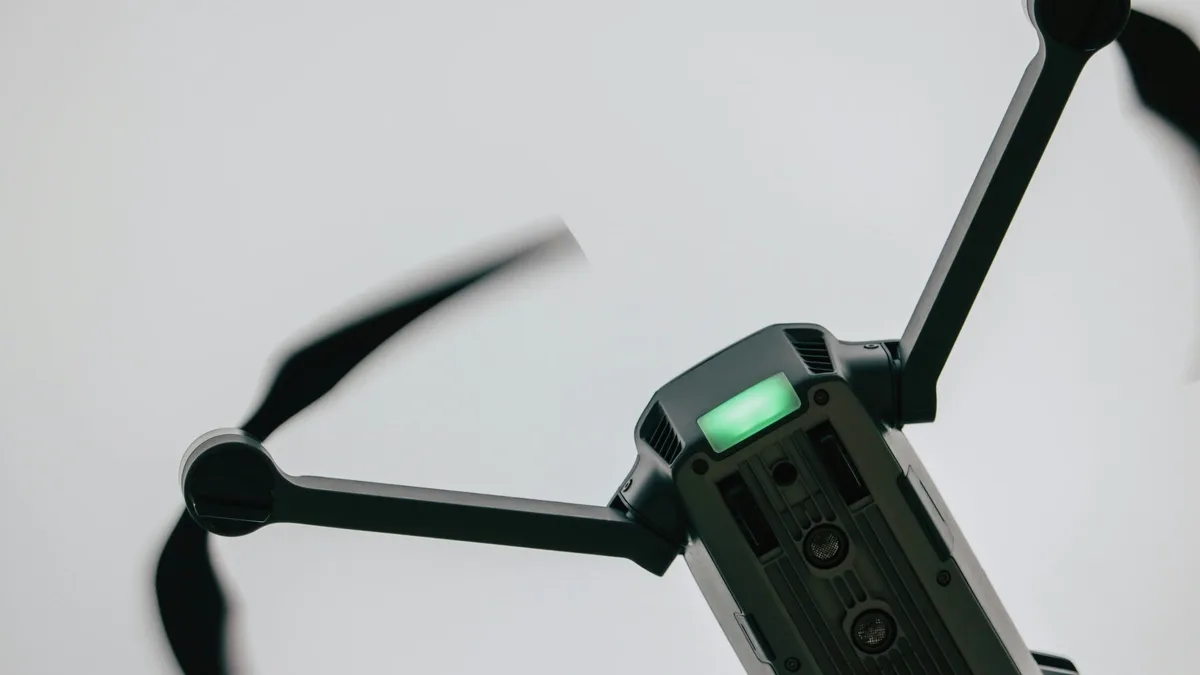
Dronus K500L Drone System Gains FCC Conditional Approval
The FCC has granted conditional approval to Dronus S.p.A.'s K500L drone and Nest V2 docking station, exempting them from the Covered List under...
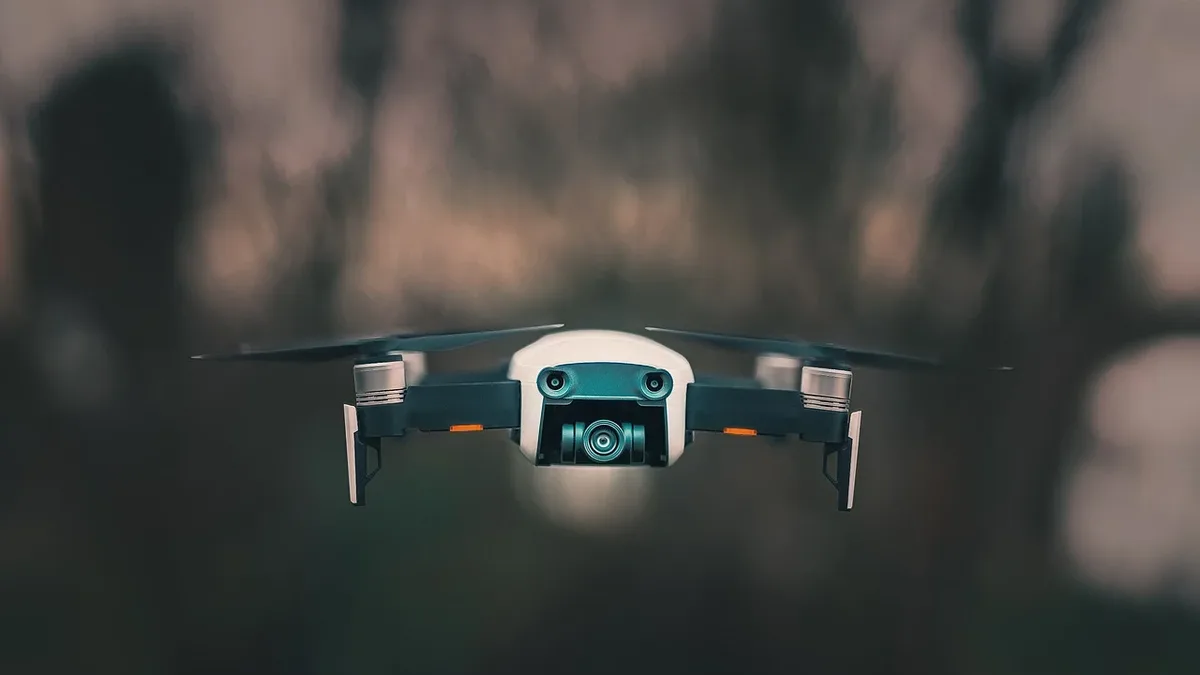
Drone Safety Statement Modernization Act Advances in House
The House Transportation and Infrastructure Committee approved H.R. 10304, a bill requiring new drone operators to electronically acknowledge reading...

Drone Battery Redesign Looms as Supply Chain Rules Shift
A guest post on DRONELIFE argues that upcoming regulatory changes will force drone makers to redesign battery packs.