Film & Real Estate
| Original use | Military reconnaissance and artillery spotting |
|---|---|
| First created | 1910s |
| Country of origin | United Kingdom |
| Crew | 2 (pilot and observer) |
| Wings | Biplane configuration |
| Landing gear | Fixed, taildragger type |
| Engine type | Rotary engine |
Origin and history
The practice of using film and television production as a tool for real estate marketing and sales originated in the United States in the late 20th century. Its development is closely tied to the growth of lifestyle and reality television programming beginning in the 1990s. Early examples often involved home renovation shows that implicitly promoted the real estate and construction industries. The concept evolved from simple product placement within storylines to dedicated programming formats where property acquisition or improvement became the central narrative. This convergence was further solidified by the rise of cable television channels dedicated to real estate and home improvement topics. The strategy has since expanded globally, with many countries adapting the format to their local property markets and television audiences.
What it is designed for
This practice is designed to generate tangible financial outcomes for real estate developers, agents, and related service providers through narrative entertainment. Its primary function is to create aspirational marketing content that showcases properties, locations, and lifestyles to a broad audience. The format is engineered to stimulate viewer interest in specific markets, architectural styles, or renovation concepts, translating television engagement into real-world inquiries and sales. It serves to educate potential buyers or investors about market processes, from search and purchase to renovation and resale, within an entertaining framework. Furthermore, it is designed to build brand recognition for real estate professionals, agencies, and development firms featured in the programming. Ultimately, it aims to blur the line between content consumption and consumer action in the property sector.
Development and versions
The initial version of this practice involved straightforward integration, such as featuring a real estate agency's listing within a fictional film or television episode. This developed into the dedicated "house hunting" show format, where clients select a property from multiple viewed options, often concluding with a purchase. A major subsequent version is the renovation and "flipping" genre, which follows the process of purchasing, renovating, and reselling a property for profit. Luxury real estate showcases represent another version, focusing on high-end properties and markets with an emphasis on aspirational lifestyle. International relocation programs form a distinct version, highlighting the process of buying property in foreign countries, often catering to investment or retirement goals. The most recent development involves hybrid formats that combine real estate with other lifestyle elements, such as hospitality, farming, or commercial business ventures.
Pros and cons
It can dramatically increase demand for featured properties or even entire regions, often leading to rapid sales and increased market values. For professionals, it offers powerful personal branding that can generate substantial lead flow and establish industry authority. A major con is the potential for creating unrealistic market expectations among viewers, who may underestimate costs, overestimate ease, or misunderstand local market conditions portrayed for entertainment. Participants, especially in renovation formats, often regret the unforeseen expenses, construction delays, and logistical nightmares that are edited out of the final broadcast. A common mistake is for individuals or agencies to pursue participation primarily for vanity, without a concrete business strategy to convert exposure into closed transactions, resulting in high effort for low return.
Who it suits
This practice best suits real estate developers and agents operating in markets with visual appeal and narrative potential, such as those with distinctive architecture or scenic locations. It is highly effective for renovation contractors and design professionals seeking to demonstrate their process and finished product to a national audience. Investors with a portfolio of properties intended for sale benefit from the aggregated marketing impact a series can provide. The format suits television producers and networks seeking reliable, repeatable programming with built-in commercial appeal to sponsors in the home and finance sectors. It is less suited to private sellers with a single, average property, as the costs and commitments of production are rarely justified by the potential gain. Furthermore, it is ill-suited for professionals uncomfortable with the loss of control inherent in television production, where editorial decisions are made for entertainment value rather than accurate representation.
Latest Film & Real Estate news
Latest reporting

GA-ASI Demonstrates MQ-20 Avenger's Autonomous Team Coordination
GA-ASI and the U.S. Navy demonstrated collaborative autonomous mission planning using the MQ-20 Avenger, showing how autonomy can interpret commander...
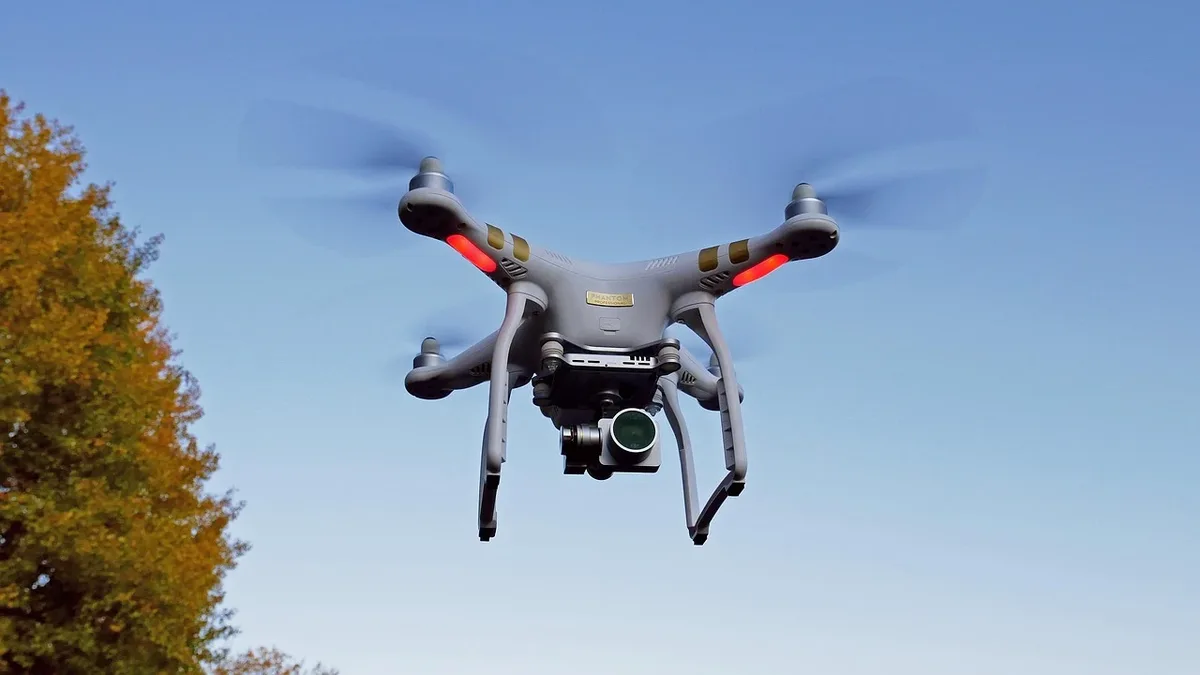
Teledyne FLIR Launches Prism A-ISR AI Detection Software
Teledyne FLIR has launched Prism A-ISR, an AI software module for real-time air-to-ground detection and tracking on drones and ISR platforms...
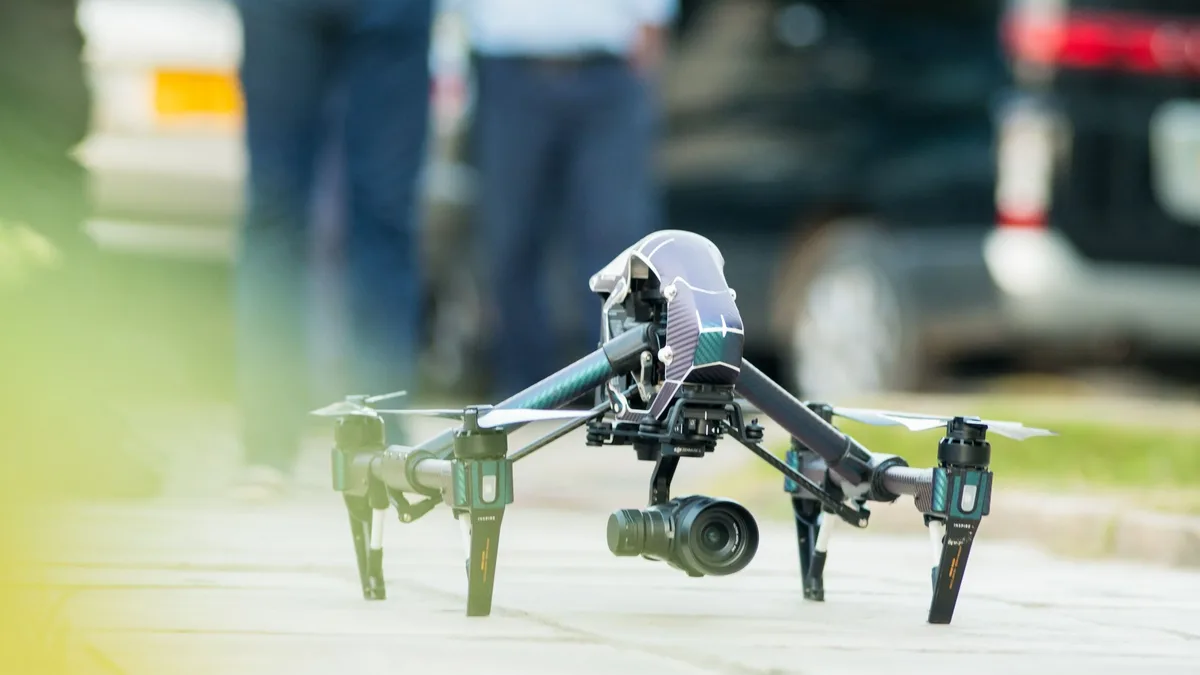
SkyeBrowse Crowd Counter Brings Real-Time People Counting to Drone Imagery
SkyeBrowse has launched an AI-powered Crowd Counter tool that provides real-time people estimates from drone imagery.
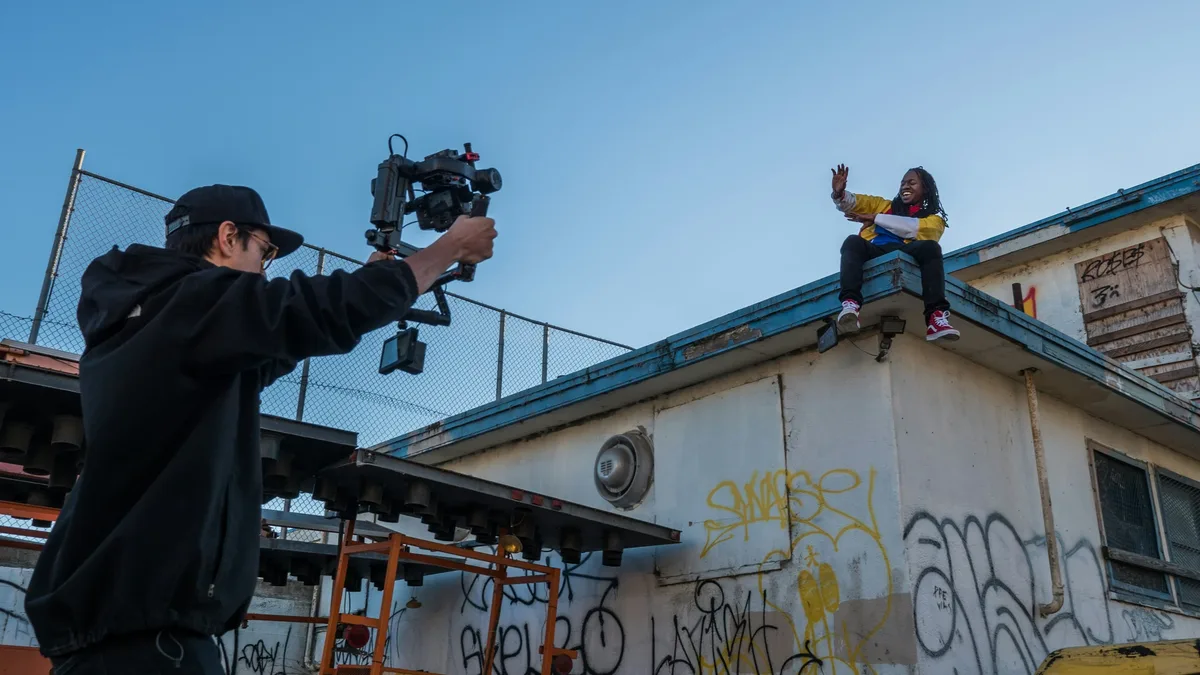
DJI Launches SDR Transmission 2 for Wireless 4K HDR Video
DJI has released the SDR Transmission 2, a wireless video system for professional film sets. It transmits 4K HDR video up to 4 kilometers with low...
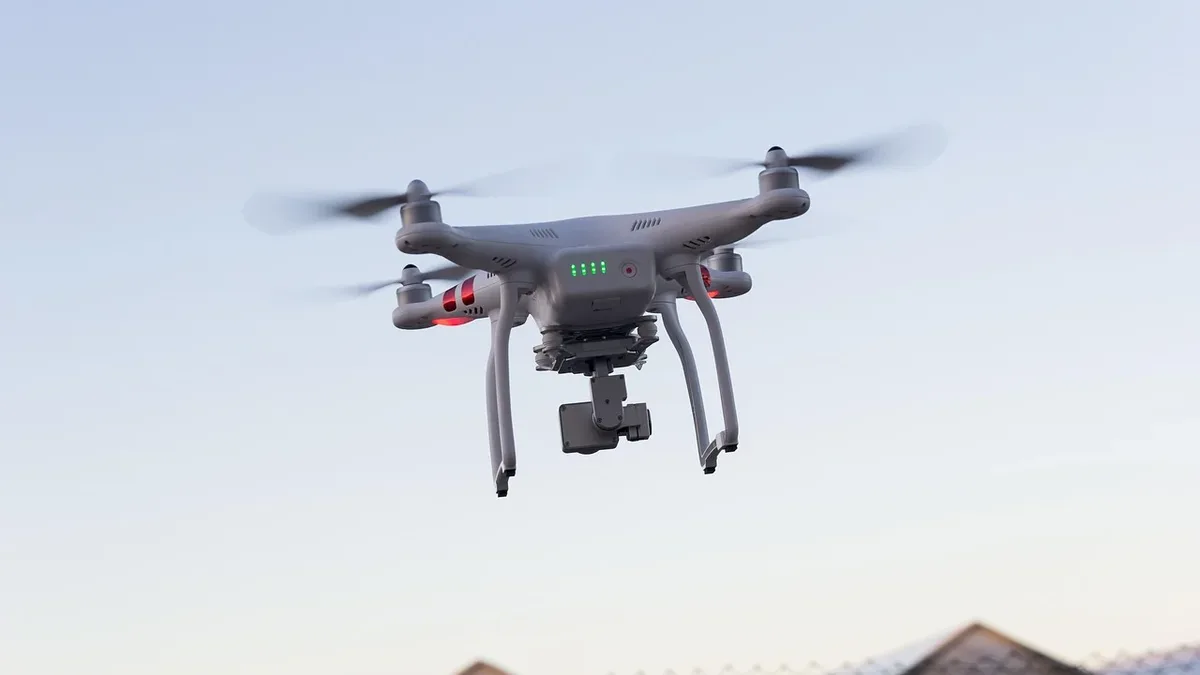
Omnisys Launches BRO-API for Real-Time Drone Mission Integration
Omnisys has launched the BRO-API, a bidirectional integration layer that connects its Battle Resource Optimization platform directly to existing C2...
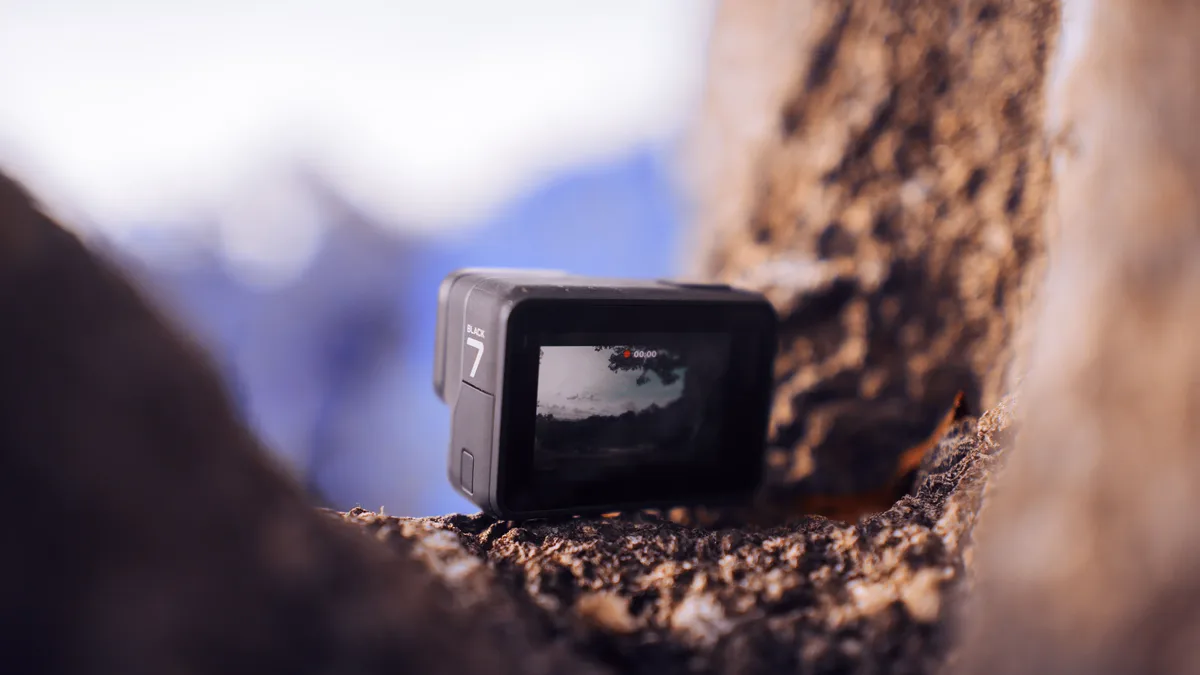
DJI Action 6, Osmo 360 II film rocket launch
DJI's Osmo Action 6 became the first unmodified consumer action camera to survive a rocket launch and reentry.