DJI Action 6, Osmo 360 II film rocket launch
DJI's Osmo Action 6 became the first unmodified consumer action camera to survive a rocket launch and reentry, capturing footage from LandSpace's Zhuque-3
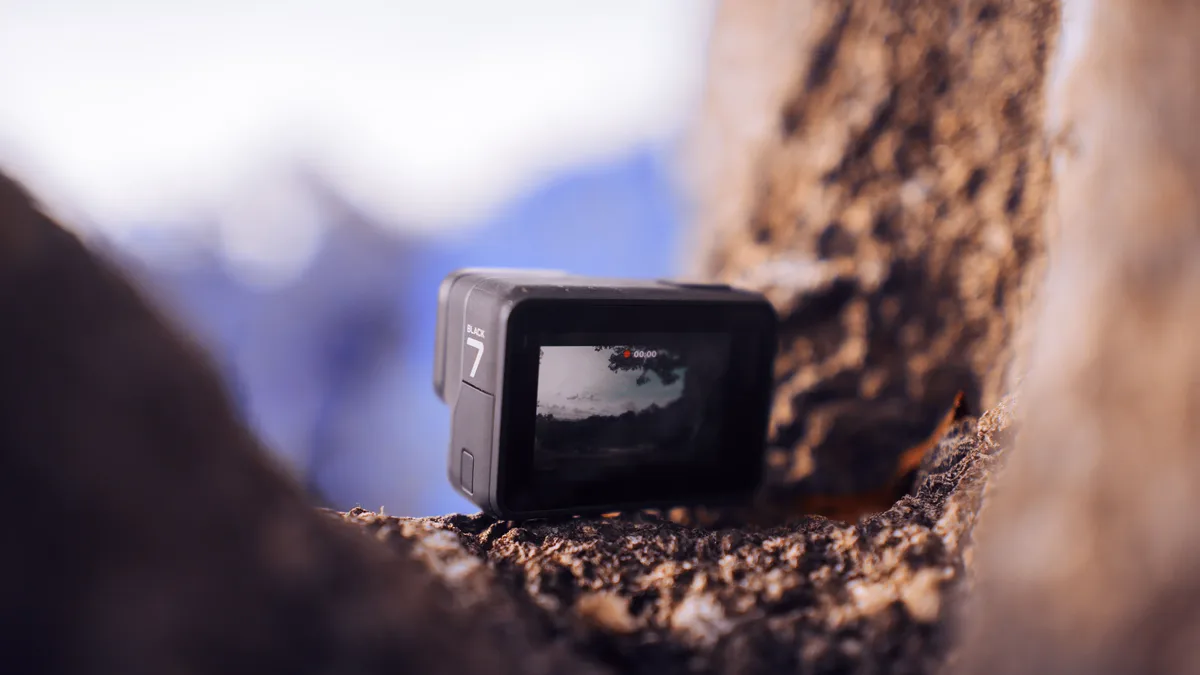
DJI's Osmo Action 6 has become the first unmodified consumer action camera to travel into space and return with footage. The camera recorded the entire launch and recovery of LandSpace's reusable Zhuque-3 rocket, surviving temperatures approaching 500°C (932°F) during reentry. This feat took place during a successful launch, a key milestone for the company's progress in reusable launch technology, much like tracking a team's performance over a season in our standings.
According to DJI, the mission demonstrated how its imaging ecosystem could document complex aerospace operations. The company used a network of its products to film the event from multiple angles, similar to how a team uses a full squad to cover all positions on the field.
Action 6's Historic Flight
Twelve Osmo Action 6 cameras were mounted directly onto the rocket's first-stage booster without hardware modifications. Positioned at key locations, they recorded the journey from engine ignition through landing. This makes the Action 6 the first consumer-grade camera to capture an entire rocket launch-and-recovery mission from the vehicle itself. The footage provides engineers with valuable data for evaluating booster performance and recovery procedures, offering insights as detailed as the advanced metrics found in our stats section.
The cameras endured extreme conditions. DJI states the rocket's exterior reached between 400°C and 500°C during ascent and reentry. They also withstood continuous high-frequency vibrations from engines and aerodynamic forces. A communications blackout during reentry meant the cameras could not stream footage live. Instead, they recorded everything internally for recovery after landing.
Technical Performance Under Stress
Rocket launches generate violent vibrations that would overwhelm most action cameras. DJI says the Action 6's latest stabilization system minimized shake without excessive cropping, producing smoother footage. The camera's custom 1/1.1-inch square sensor helped capture detail across dramatically changing lighting conditions. It is capable of recording 4K video at up to 120 frames per second with 13.5 stops of dynamic range. The resulting videos include close-up views of engine ignition, grid-fin steering maneuvers during descent, and the booster's final landing sequence.
Comprehensive Filming Network
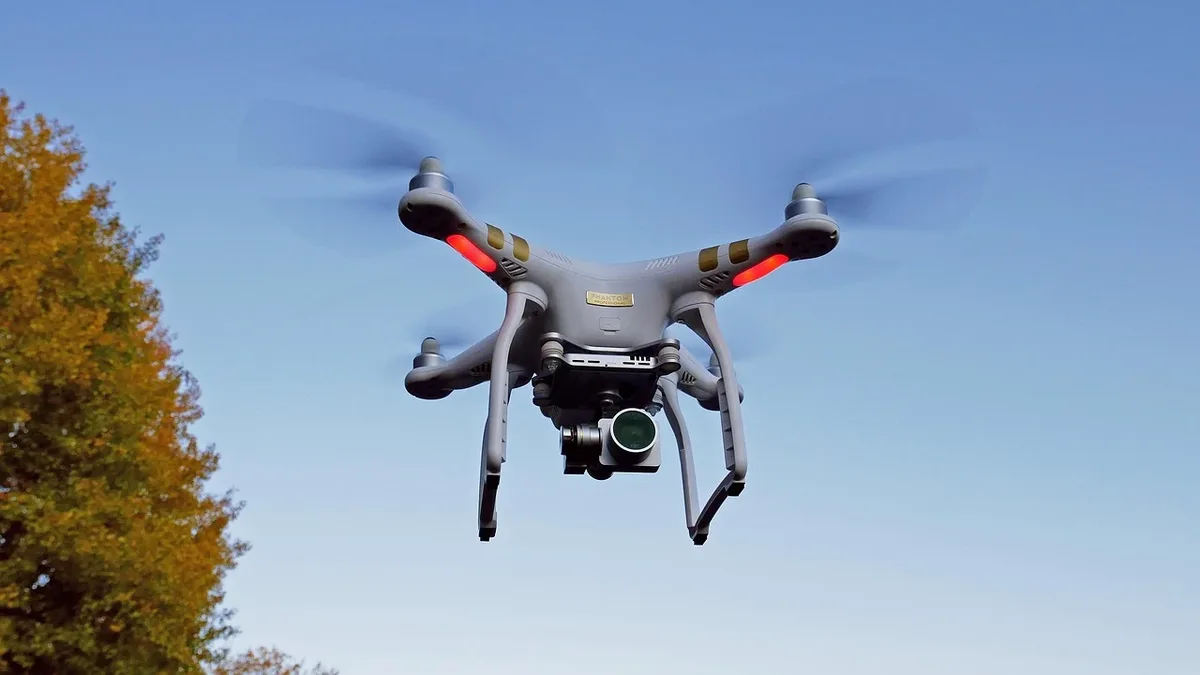
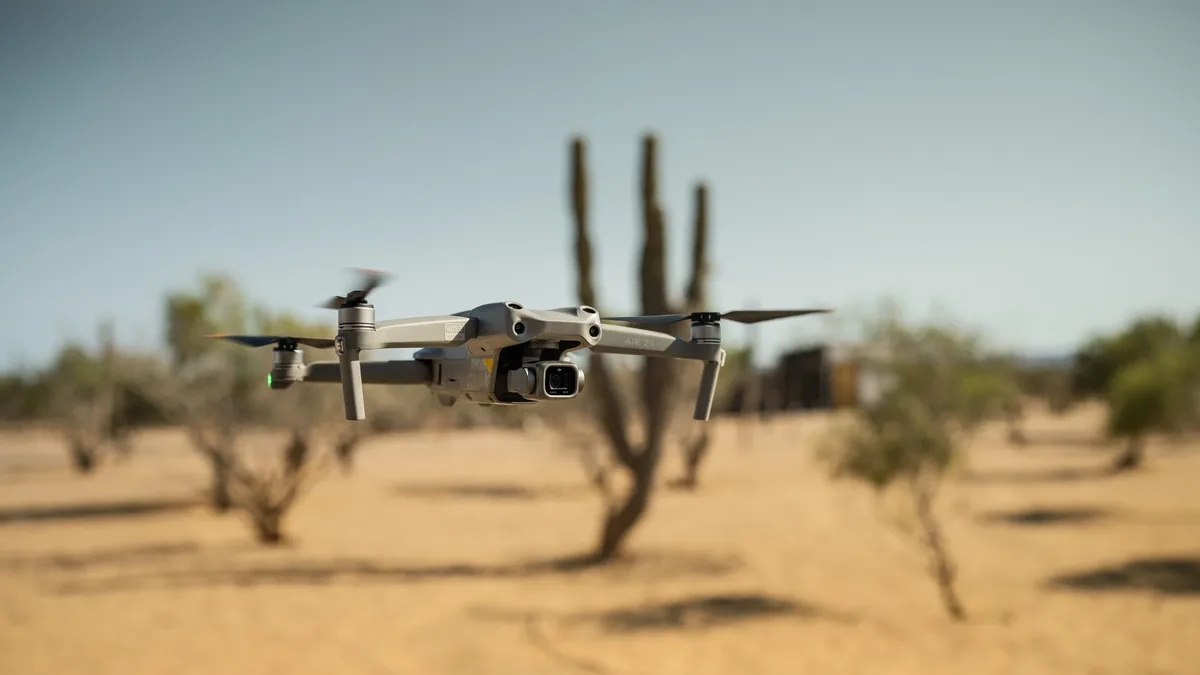
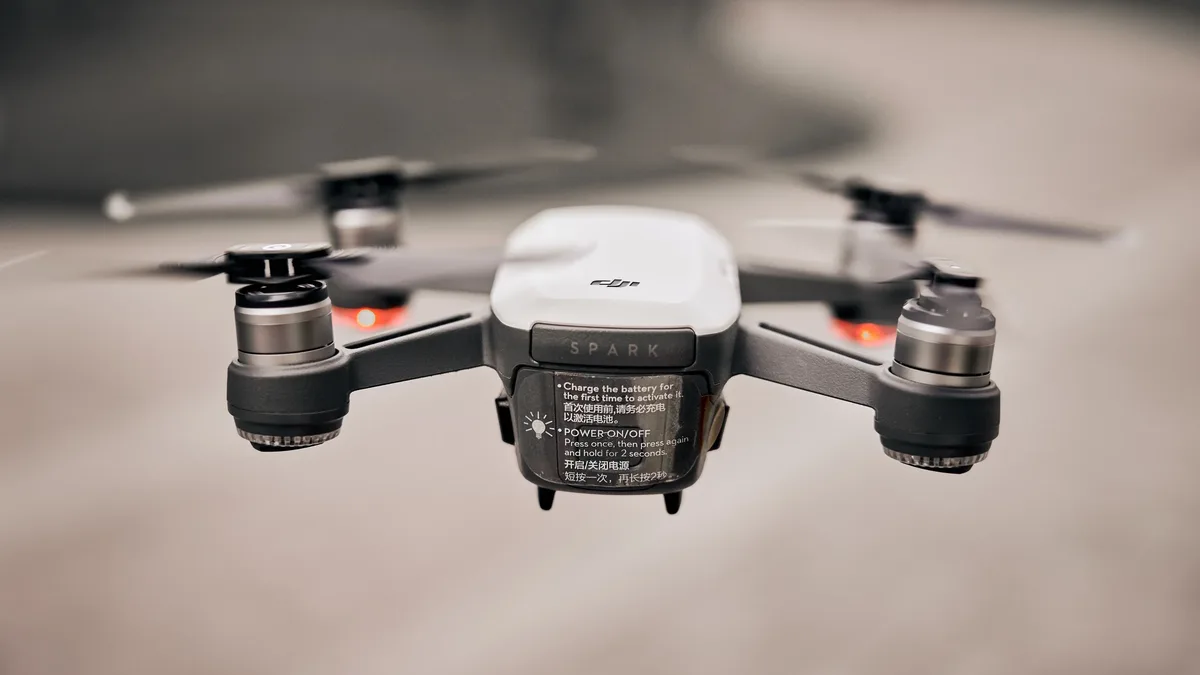
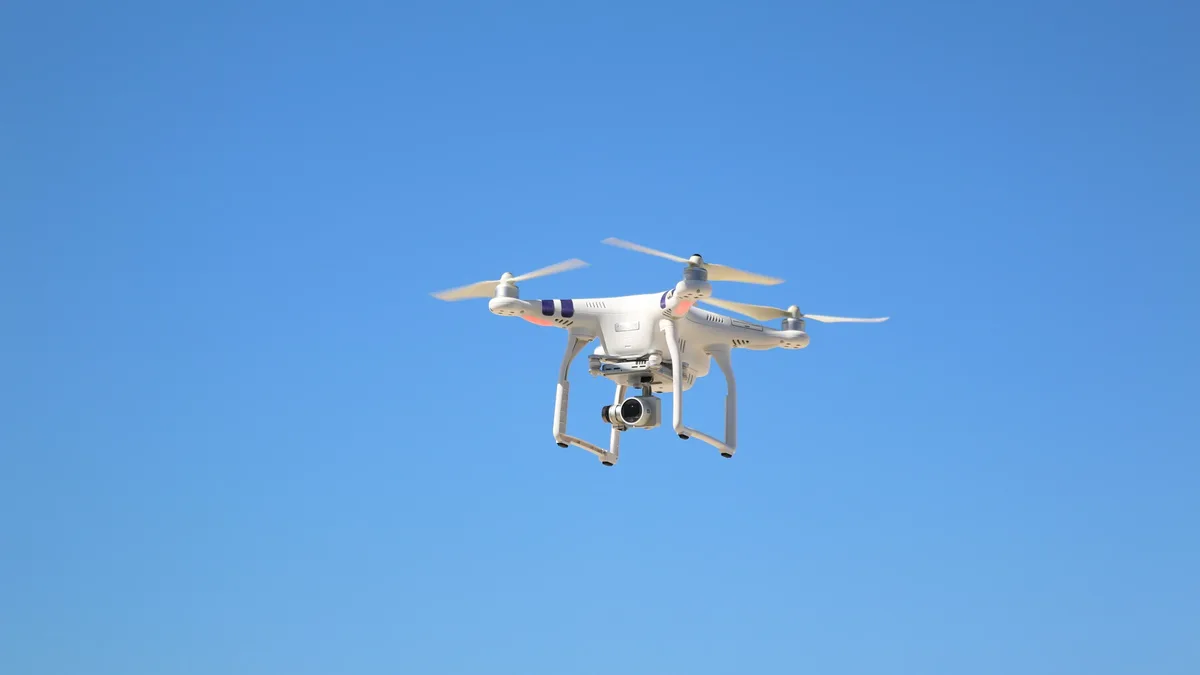
While the rocket-mounted footage provided the most dramatic perspective, DJI's broader camera lineup documented the launch from the ground and sky. The upcoming Osmo 360 II was used to record 8K/60fps panoramic footage around the launch site, marking its first public appearance. Supporting the operation were other DJI products. The combination created a comprehensive filming network spanning from the launch pad to the edge of space, documenting every critical moment just as our fixtures page tracks every match.
| Product | Role in Mission |
|---|---|
| Osmo Action 6 (12 units) | Mounted on rocket booster; captured launch, reentry, and landing footage. |
| Upcoming Osmo 360 II | Recorded 8K/60fps panoramic footage of the launch site. |
| DJI Mavic 4 Pro | Captured aerial views of the launch complex. |
| DJI Matrice 4TD | Provided thermal imaging of the mission. |
| Osmo Pocket 4P | Recorded cinematic behind-the-scenes footage on the ground. |
The mission also subjected the cameras to some of the harshest conditions imaginable, a test of durability akin to a player avoiding injuries throughout a grueling season. The feat was a milestone for the Chinese commercial aerospace company LandSpace.