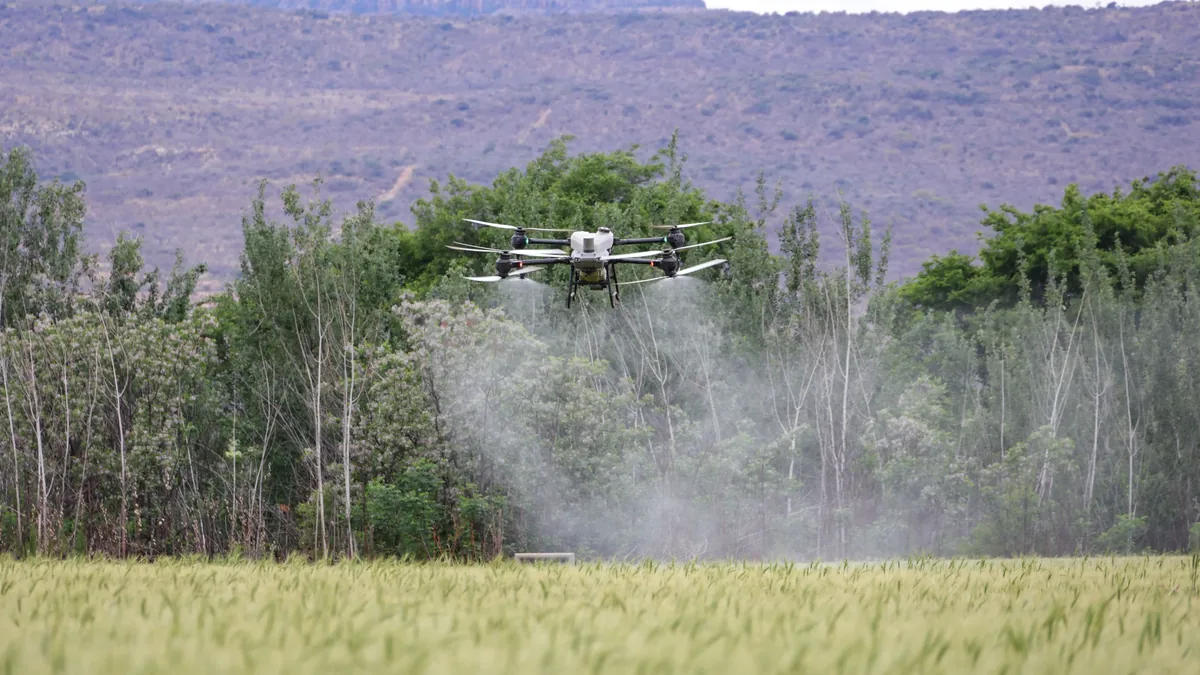
Agriculture Spraying
| Country of origin | United States |
|---|---|
| First created | 1920s |
| Original use | Aerial crop dusting |
| Airframe type | Fixed-wing agricultural aircraft |
| Typical payload capacity | 500 to 2,000 kg range |
| Typical application method | Liquid spray or dry granular spread |
| Common operational altitude | Low-level (1 to 10 meters above crop) |
| Key design features | High-lift wings, corrosion-resistant materials, large-capacity hopper |
Origin and history
The practice of aerial agriculture spraying originated in the United States in the early decades of the twentieth century. Initial experiments involved dusting crops from manned aircraft to control insect pests, a method pioneered in the 1920s. The development was driven by the need to treat vast, inaccessible agricultural areas where ground-based equipment was impractical. Following World War II, surplus military aircraft and trained pilots became available, accelerating the adoption of the technique. By the 1950s, dedicated agricultural aircraft designs began to emerge, moving beyond modified military trainers. This established aerial application as a standard, large-scale farming practice across North America before spreading globally to other major agricultural regions.
What it is designed for
This use case is designed for the precise and efficient distribution of agricultural inputs over large areas from an airborne platform. The primary function is to apply liquid agents, such as pesticides, herbicides, and fungicides, to protect crops from pests, weeds, and diseases. It is also employed for the aerial seeding of cover crops or rice paddies and for the distribution of liquid fertilizers to promote plant growth. The design addresses the critical need for timely intervention, especially when fields are too wet for ground machinery or when rapid treatment is required to halt an outbreak. It is fundamentally a tool for managing plant health and soil nutrition at a landscape scale, prioritizing coverage speed and operational reach over the ultimate precision of ground-based methods. The airframe serves as a specialized vehicle for carrying and dispersing these agents in a controlled manner from above the crop canopy.
Development and versions
Development has progressed from the adaptation of existing light aircraft to the creation of dedicated, purpose-built airframes known as "ag planes" or "ag aircraft." Early versions often involved simple modifications like adding hoppers and spray booms to surplus biplanes and monoplanes. The 1950s and 1960s saw the introduction of the first aircraft designed from the ground up for agricultural work, such as the Piper PA-25 Pawnee and the Snow S-2, which featured improved pilot safety and handling characteristics. Subsequent versions incorporated more powerful engines, corrosion-resistant materials, and advanced spray systems for better droplet control and swath accuracy. Modern developments include the use of highly sophisticated turbine-powered aircraft and the integration of GPS and flow control systems for precise application guidance. The core evolution has consistently focused on enhancing pilot survivability in a hazardous low-altitude environment, increasing payload capacity, and improving the efficacy and environmental safety of the dispersal process.
Pros and cons
The primary advantage is unparalleled speed and area coverage, allowing a single aircraft to treat hundreds of acres in a time frame impossible for ground rigs, which is critical during short weather windows or pest emergencies. It provides unique access to fields that are terrain-challenged, flooded, or otherwise impassable for tractors. However, a significant con is the high potential for spray drift, where wind can carry chemicals off-target, damaging sensitive crops, contaminating waterways, or raising public health concerns. Operators often regret choosing aerial application for small, irregularly shaped fields surrounded by sensitive areas, where the drift risk and logistical cost outweigh the speed benefit. The common mistake is attempting to spray in marginal weather conditions, particularly with shifting winds or unstable air, which almost guarantees poor deposition and off-target movement. Furthermore, the initial capital and operational costs for aircraft are substantial, and the practice requires highly specialized pilot skills for safe low-altitude maneuvering, making it economically non-viable for smaller farm operations without custom application services.
Who it suits
This use case best suits large-scale commercial farming operations managing vast, contiguous land areas, such as cereal grain farms, cotton plantations, and rice fields. It is ideal for regions with flat or uniformly rolling topography that allows for consistent flight lines and minimal obstruction hazards. Custom aerial application companies, which own the aircraft and provide contracted services to multiple farmers, are the primary professional operators of this technology. It also suits situations demanding urgent, large-area response, such as combating locust swarms or fungal outbreaks that threaten entire regions. The practice is less suited to small, fragmented holdings, organic farms with strict buffer zone requirements, or areas located near dense residential communities or sensitive ecological sites. Ultimately, it is a tool for operators who prioritize scale and timeliness over the highest level of application precision and who can manage the significant regulatory and environmental stewardship responsibilities involved.
Latest Agriculture Spraying news
Latest reporting
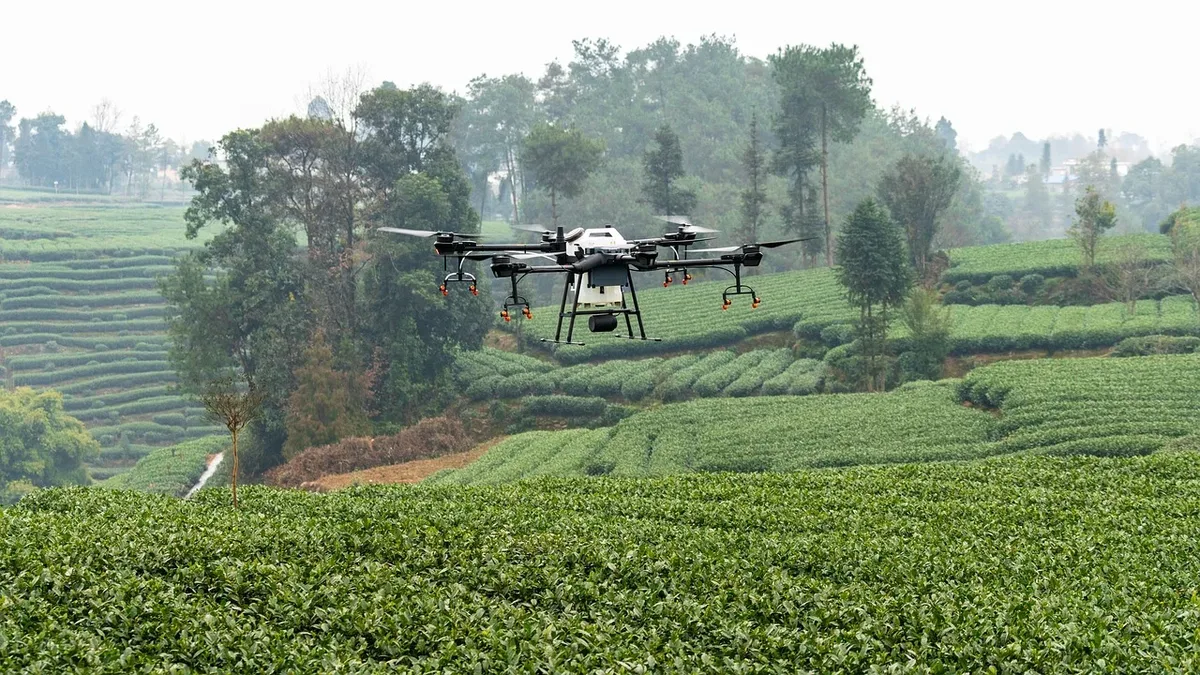
Thales, Kelly Hills Launch BVLOS Drone
Thales and Kelly Hills Unmanned Systems are deploying a BVLOS drone network for farming in Kansas, partnering with the state's Department of...
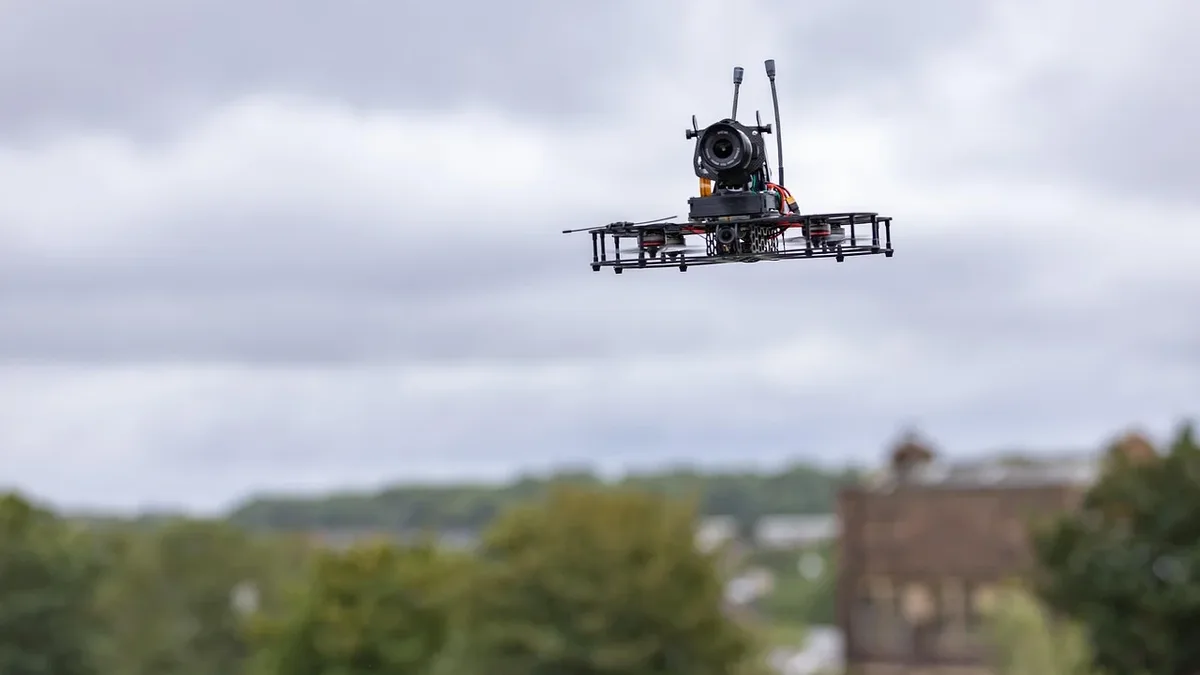
Michigan Invests $2 Million in Advanced Air Mobility Projects
Michigan has awarded $2 million to five companies to test drone and aerial technologies for environmental monitoring, wildfire response...