
Army Corps Of Engineers
| Country of origin | United States |
|---|---|
| First created | 1802 (as the Corps of Engineers) |
| Original use | Military engineering and public works |
| Parent organization | United States Department of Defense and United States Department of the Army |
| Primary jurisdiction | Navigable waters and related public infrastructure |
| Key responsibilities | Civil works, military construction, environmental stewardship |
| Notable assets | Dams, levees, locks, hydropower facilities, recreation areas |
Origin and history
The United States Army Corps of Engineers is a federal agency with origins in the late 18th century. Its establishment is directly tied to the founding of the United States and its early military needs. The Corps was formally constituted in the early 1800s, with its lineage often traced to a small unit of engineers formed during the American Revolutionary War. Its creation was a deliberate act by the early U.S. government to provide permanent engineering expertise for national defense and infrastructure. The agency's historical development is deeply intertwined with the westward expansion and economic development of the United States throughout the 19th century. Its role evolved from purely military fortifications to encompass a wide range of civil works, a dual mission that has defined it for generations.
What it is designed for
The Army Corps of Engineers is designed primarily as the engineering arm of the United States Army, providing critical technical services for military operations worldwide. Its core military mission encompasses the construction of fortifications, airfields, bases, and other facilities necessary for force projection and defense. Concurrently, Congress has assigned the Corps a vast civil works mission focused on water resource development and management. This includes the design, construction, and maintenance of navigation channels, flood control systems like levees and dams, and environmental restoration projects. The agency is also tasked with regulating activities in the nation's navigable waters through its permit program. This dual-purpose design makes it a unique entity within the federal government, serving both national security and public infrastructure needs.
Development and versions
The development of the Army Corps of Engineers has been marked by a continuous expansion of its statutory authorities and technical capabilities. Throughout the 19th century, its role grew from a small group of officers to a major organization overseeing the construction of coastal fortifications and navigating obstacles to inland waterway commerce. A pivotal development occurred in the early 20th century when Congress significantly expanded its civil works responsibilities, leading to large-scale projects like major river basin developments. The Corps does not have "versions" in a software sense, but its organizational structure and focus areas have evolved through legislation, such as the Flood Control Acts and the Water Resources Development Acts. Its technical expertise has advanced from traditional civil engineering to encompass sophisticated disciplines like environmental engineering, hydrology, and geospatial science. The agency has also developed specialized districts and divisions across the United States and globally, each tailored to regional water resource and military construction challenges.
Pros and cons
A primary advantage of the Army Corps of Engineers is its unparalleled technical expertise and institutional experience in managing large-scale, complex water resource and construction projects. Its nationwide presence and standardized engineering practices provide consistency and a high degree of reliability for congressionally authorized projects. However, a significant con is that its project planning and delivery can be notoriously slow, burdened by extensive bureaucratic processes, environmental compliance requirements, and the need for congressional approval and funding. Critics often point to a historical focus on structural engineering solutions, such as levees and concrete channels, which can sometimes lead to unintended ecological consequences or a false sense of security in flood-prone areas. Entities that require rapid, agile project implementation frequently regret engaging with the Corps due to its deliberate pace. A common mistake for local communities is underestimating the lengthy timeline and complex partnership requirements, including local cost-sharing, involved in initiating a Corps project.
Who it suits
The Army Corps of Engineers suits federal and local government partners who require the execution of massive, capital-intensive infrastructure projects that are beyond the scope of private industry or local agencies. It is suited for military commands needing rapid, secure, and technically sound engineering support for installations and operations anywhere in the world. State and municipal governments facing major flood risks, port development needs, or large-scale ecosystem restoration challenges are typical partners, provided they have the patience and resources for a long-term federal partnership. It is less suited for private developers or entities seeking quick permits or small-scale projects, as the regulatory and project development processes can be prohibitively cumbersome. The agency's structure best serves projects that are national or regional in significance, have clear congressional authorization, and align with its established missions in navigation, flood control, and military engineering.
Latest Army Corps Of Engineers news
Latest reporting
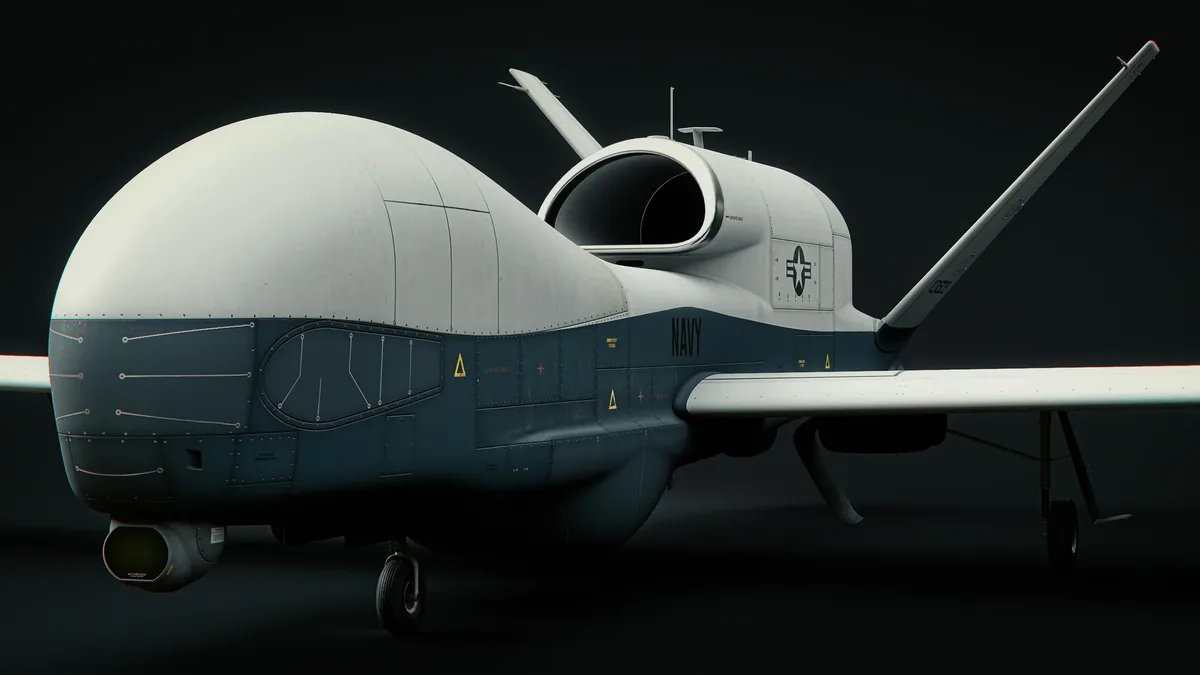
U.S. Army Selects Vulcan Elements for SkyFoundry Drone
The U.S. Army has chosen Vulcan Elements to supply rare earth magnets for its SkyFoundry drone program, a move that highlights ongoing efforts to...
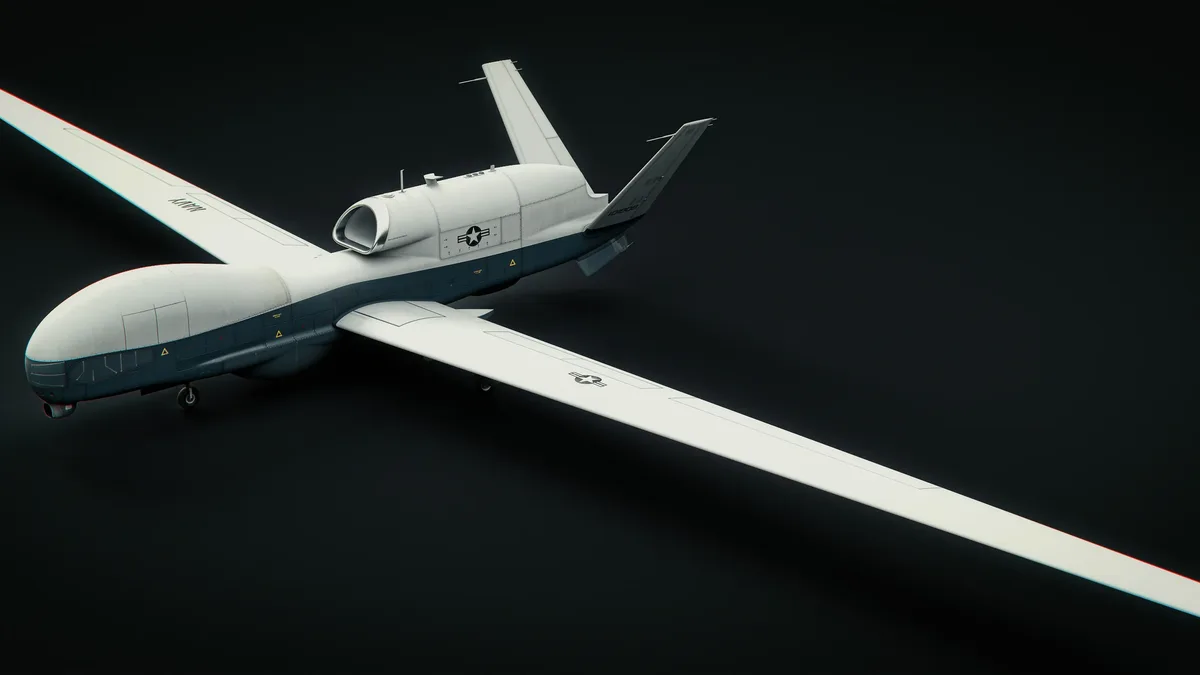
U.S. Army Drone Sets 300-Mile Endurance Record
A U.S. Army drone flew 300 miles over eight hours in a demonstration, with the performance submitted for a Guinness World Record.
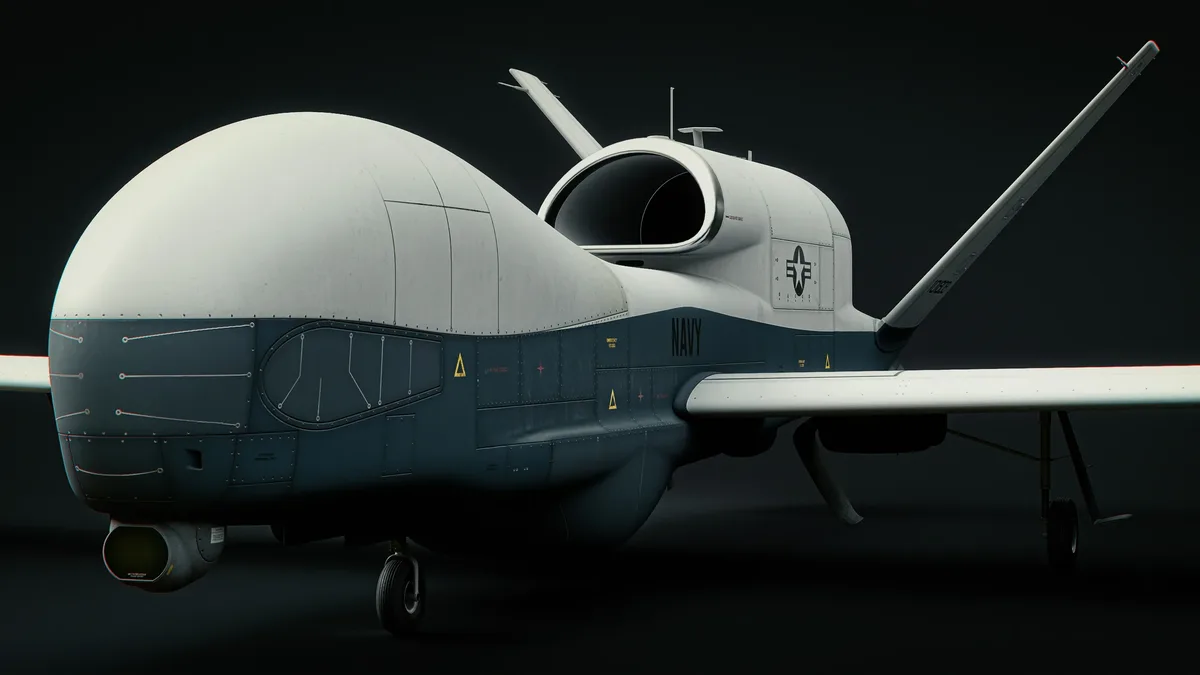
Teledyne FLIR Wins U.S. Army DUTCH Thermal
Teledyne FLIR OEM won a U.S. Army DUTCH award to develop next-gen uncooled thermal imaging tech for drones and defense systems.

Ondas Secures $50 Million US Army Drone Order, Expanding Presence in Defense Market
US defense subsidiary Mistral receives new order for tactical Lethal Unmanned Systems, reinforcing Ondas' growing role in the US defense market.
US Army Awards Elroy Air $46M for Advanced Heavy-Lift Drone Development
Elroy Air secures a $46 million multi-year contract from the US Army to enhance its autonomous hybrid-electric VTOL cargo drone, Chaparral, for...