Zipline Seeks FAA Approval for 130,000 Daily Arizona Drone Deliveries
Zipline has proposed a drone delivery network for Phoenix and Tucson capable of up to 130,000 package deliveries per day, pending FAA approval and public comment through late 2026.
Zipline is seeking Federal Aviation Administration approval for a drone delivery network in Phoenix and Tucson capable of 130,000 package deliveries per day. The proposal, which requires amendments to the company's existing FAA operating specifications, outlines a 24-hour operation with infrastructure spread across both metropolitan areas.
The 130,000-deliveries-per-day figure represents the network's maximum operating capacity, not an expected daily volume. To support this scale, Zipline proposes up to 65 charging locations and 1,300 package dropboxes in each metropolitan area. That totals 130 charging locations and 2,600 dropboxes across Phoenix and Tucson, placed at commercial sites like retail stores and warehouses subject to local zoning rules.
Operational capacity and infrastructure
Each proposed charging location could support up to 1,000 deliveries per day at maximum capacity. The network would operate seven days a week, including holidays. At outer capacity, the plan involves up to 390,000 individual flight segments daily across both areas, with each delivery comprising three segments.
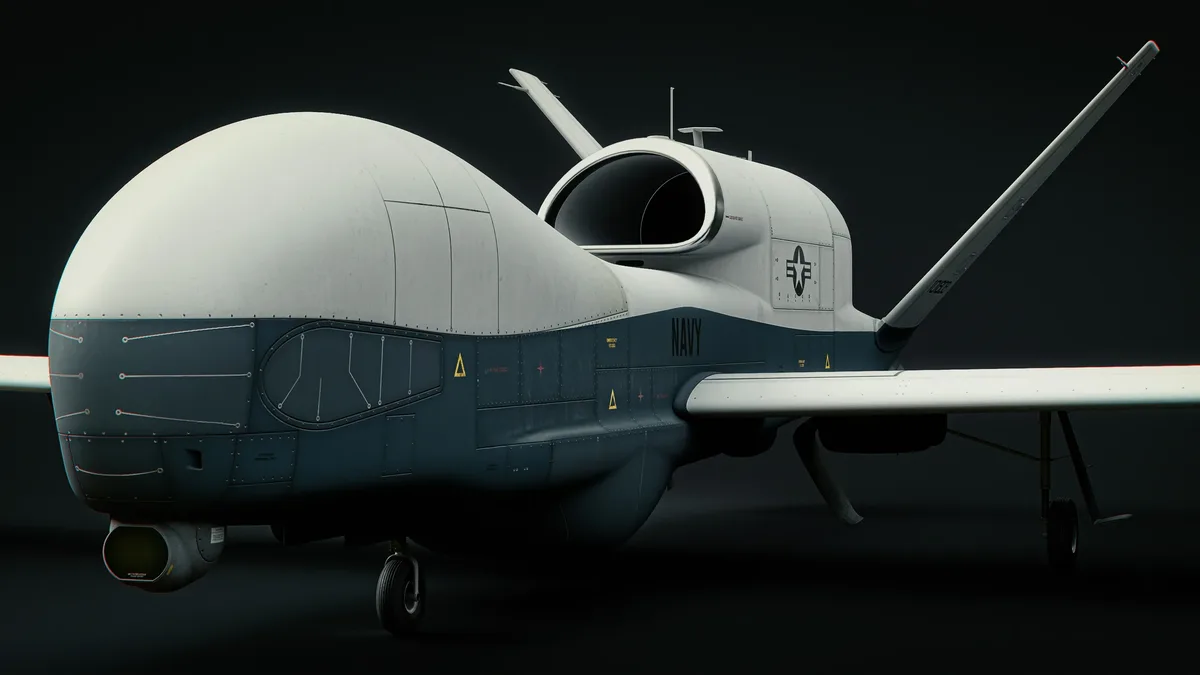
Zipline plans to use its Platform 2 aircraft for the Arizona network. The drones have a maximum takeoff weight of approximately 63 pounds and can carry payloads of up to eight pounds. Company documents indicate roughly 95 percent of flights would occur between 7 a.m. and 10 p.m., with the remaining 5 percent happening overnight.
| Specification | Detail |
|---|---|
| Maximum Daily Delivery Capacity | 130,000 packages |
| Proposed Charging Locations (per metro area) | Up to 65 |
| Proposed Dropboxes (per metro area) | Up to 1,300 |
| Platform 2 Max Takeoff Weight | ~63 pounds |
| Platform 2 Payload Capacity | Up to 8 pounds |
| Estimated Daily Flight Segments at Capacity | 390,000 |
Regulatory requirements and approvals
Zipline already holds an FAA Part 135 air carrier certificate and an exemption for certain beyond-visual-line-of-sight operations. Launching service in Arizona, however, requires specific amendments to its operating specifications. The FAA published a draft environmental assessment for the proposal in November. The public comment period on that assessment is open through December 7, 2026, or December 9, 2026, depending on the account.
Community and environmental considerations
The scale of the proposal illustrates how large commercial drone delivery networks could become, raising community questions about noise, wildlife, land use, and visual impacts during nighttime hours. The environmental assessment process is designed to address these concerns. Zipline has a broader goal to expand drone delivery across the United States. The company has a multiyear agreement with Walmart and has completed over 2 million deliveries with the retailer. It has also announced a partnership with Uber targeting one million drone deliveries per day by the end of 2029.
Miriam McNabb said, "I am a fascinated observer of the emerging drone industry and the regulatory environment for drones." Zipline's operational history includes more than 500,000 deliveries since 2016, primarily in Rwanda and Ghana. Before any Arizona flights begin, the company must secure the necessary amendments to its FAA operating specifications.