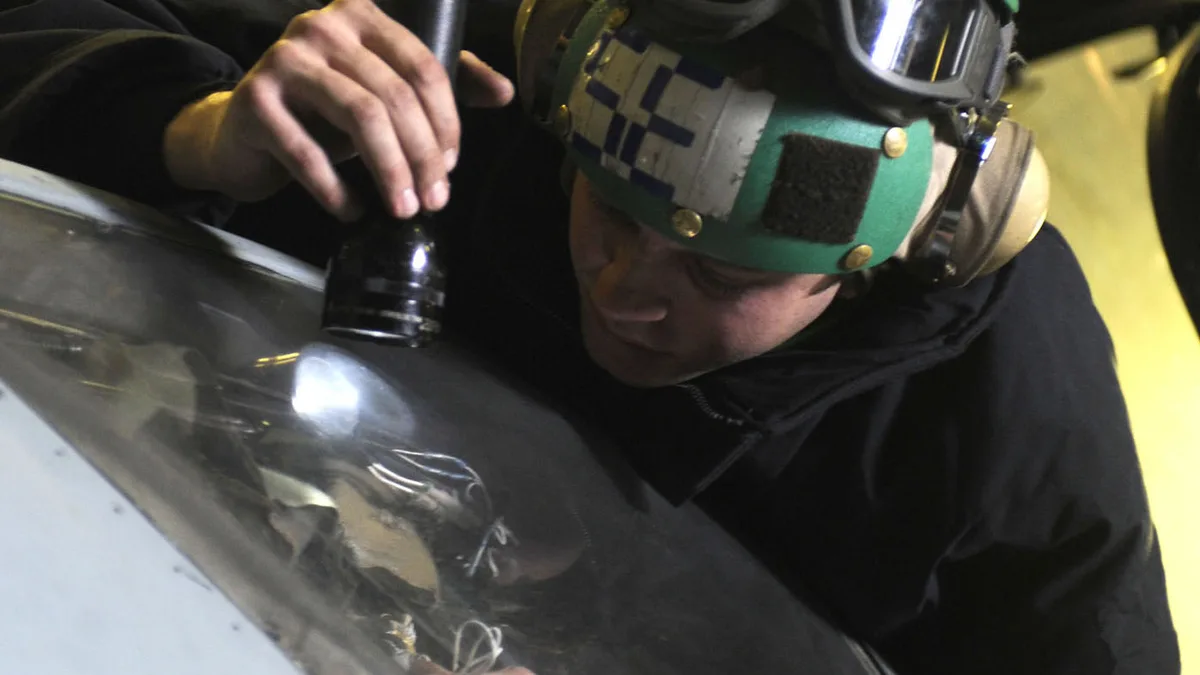
Infrastructure Inspection
| Original use | Structural integrity verification |
|---|---|
| First created | Mid-20th century |
| Typical platform | Manned aircraft, Unmanned Aerial Vehicle (UAV) |
| Primary sensors | Visual (camera), LiDAR, Thermographic |
| Inspection target | Bridges, Power lines, Pipelines, Rail corridors |
| Data output | Geotagged imagery, 3D point cloud, Anomaly report |
| Regulatory consideration | Requires specific operational authorization |
Origin and history
Infrastructure inspection as a formal engineering discipline originated in the industrialized nations of Europe and North America during the late 19th century. Its development was directly tied to the catastrophic failures of early civil engineering projects, such as bridge collapses and dam breaches, which highlighted the need for systematic evaluation. The practice evolved from rudimentary visual checks performed by construction foremen into a codified field alongside the rise of national railroad networks, which required regular assessment of tracks and bridges. The advent of aviation in the early 20th century introduced a new and critical domain for inspection, as the airframe became a structure upon which human lives directly depended. Formalized airframe inspection protocols were established by military aviation bodies during the First World War, driven by the necessity to maintain combat aircraft. These military procedures later formed the foundation for civilian regulatory frameworks, which were solidified in the mid-20th century by agencies like the US Federal Aviation Administration.
What it is designed for
Infrastructure inspection is designed to assess the physical condition, structural integrity, and functional reliability of engineered assets to ensure operational safety and prevent failure. In the specific context of an airframe, its purpose is to identify any defects, damage, or deterioration that could compromise the aircraft's ability to withstand flight loads and pressures. This process directly supports the regulatory rule that an aircraft must be in an airworthy condition, a state defined by conforming to its type design and being in a condition for safe operation, before it is permitted to fly. The inspection regimen is engineered to detect issues like metal fatigue, corrosion, cracks, loose fasteners, and composite delamination that are not apparent during normal operations. It serves as a proactive and scheduled system of checks that gates the release of the aircraft from maintenance status back into serviceable status. Ultimately, its core design function is to provide a systematic, evidence-based decision-making process for certifying that the airframe meets the minimum safety standards required for flight.
Development and versions
The development of airframe infrastructure inspection has progressed from purely manual, visual examinations to incorporate a suite of advanced non-destructive testing (NDT) technologies. Initial versions of inspection programs were based on fixed-interval schedules, where components were disassembled and checked after a set number of flight hours or cycles. The limitations of this approach, which often led to unnecessary maintenance or missed latent defects, drove the development of Reliability-Centered Maintenance (RCM) philosophies in the latter half of the 20th century. This evolution gave rise to versioned inspection programs such as Hard-Time, On-Condition, and Condition-Monitored maintenance processes, each with different applicability based on component failure characteristics. A major developmental milestone was the adoption of Damage Tolerance Analysis, which led to inspections specifically scheduled to find cracks before they reach a critical length. Modern versions increasingly integrate digital technologies, including drones for external visual checks, automated ultrasonic scanning systems, and digital twin models that use sensor data to predict inspection intervals. The regulatory documents governing these inspections, such as the Maintenance Review Board Report (MRBR) and Aircraft Maintenance Manual (AMM), are themselves continually developed and updated to incorporate new findings from service experience.
Pros and cons
A primary pro of a rigorous infrastructure inspection regime is the high level of safety assurance it provides, having made catastrophic in-flight structural failures in certified commercial aviation exceedingly rare. It creates a predictable, managed system for maintenance planning and resource allocation, allowing operators to maximize aircraft utilization within defined safety boundaries. The structured data collected from inspections also feeds back into design improvements for future aircraft generations. A significant con is the substantial cost, requiring specialized tools, highly trained personnel, and extensive downtime during which the aircraft generates no revenue. Inspections can also introduce risk, as the process of disassembly and reassembly can itself lead to installation errors or incidental damage if not performed meticulously. Regret often comes from operators who, under economic pressure, may attempt to extend intervals or defer inspections, potentially allowing minor issues to develop into major repairs. The most common mistake is an over-reliance on scheduled inspections at the expense of encouraging and heeding real-time defect reporting from flight and ground crews, which can catch issues arising between formal checks.
Who it suits
This discipline suits organizations and professions that operate under a mandatory safety-first paradigm with a low tolerance for catastrophic risk, such as commercial airlines, military air forces, and regulatory authorities. It is suited for meticulous, detail-oriented engineers and technicians who derive satisfaction from systematic problem-solving and who possess a deep understanding of materials science and failure mechanisms. The field suits operational environments where assets are high-value and have long service lives, making the upfront investment in inspection programs economically justifiable over the total lifecycle. It is less suited to organizations operating in entirely unregulated environments or with very low-utilization aircraft where the cost of compliance may disproportionately burden operations. Ultimately, infrastructure inspection suits a culture that values procedural discipline, documented evidence, and continuous verification over intuitive judgment or operational convenience alone.
Latest Infrastructure Inspection news
Latest reporting
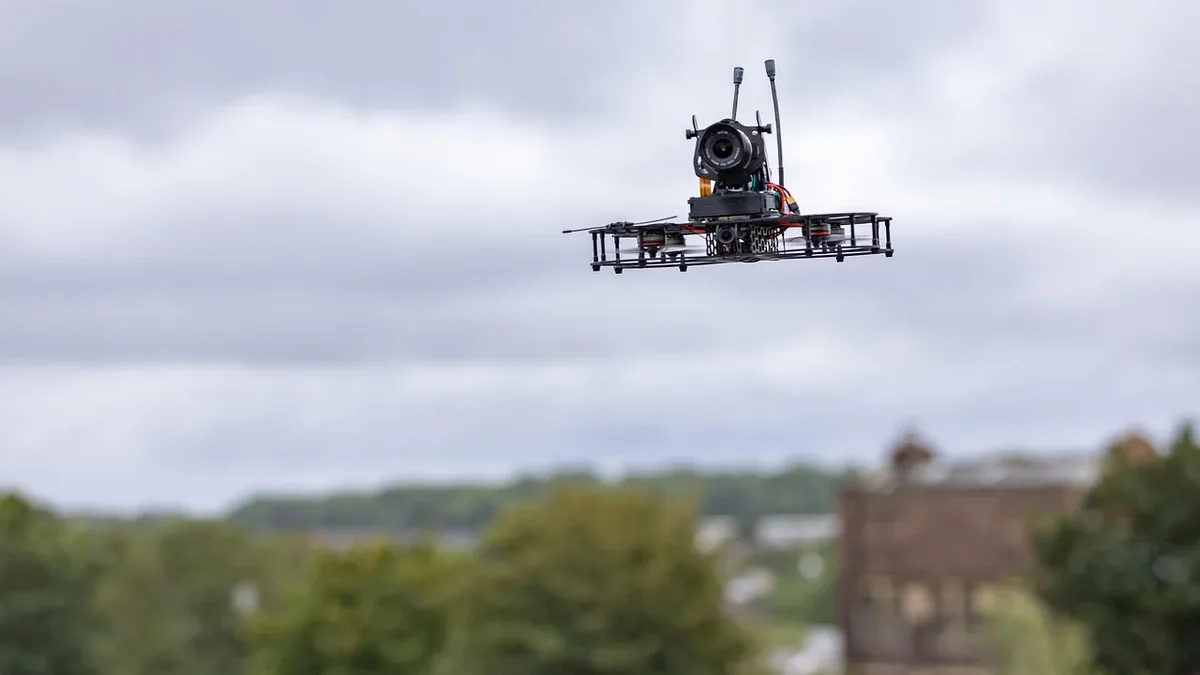
Beam Global acquires ScoutDI in $24 million drone deal
Beam Global has agreed to acquire Norwegian drone technology firm ScoutDI for approximately $24 million, aiming to manufacture its inspection drones...
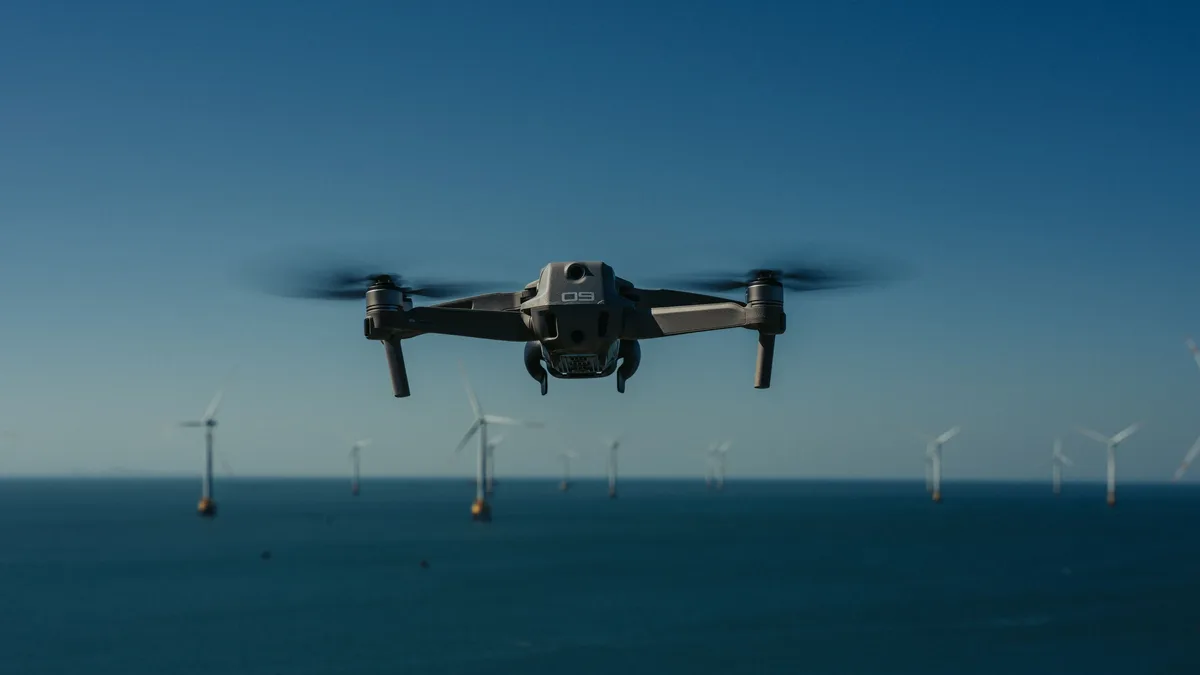
Cyberhawk secures three-year SSE drone inspection contract
Cyberhawk has won a new three-year drone inspection contract with SSE, expanding its services to offshore wind turbines.
Drone Safety Statement Modernization Act Advances in House
The House Transportation and Infrastructure Committee approved H.R. 10304, a bill requiring new drone operators to electronically acknowledge reading...
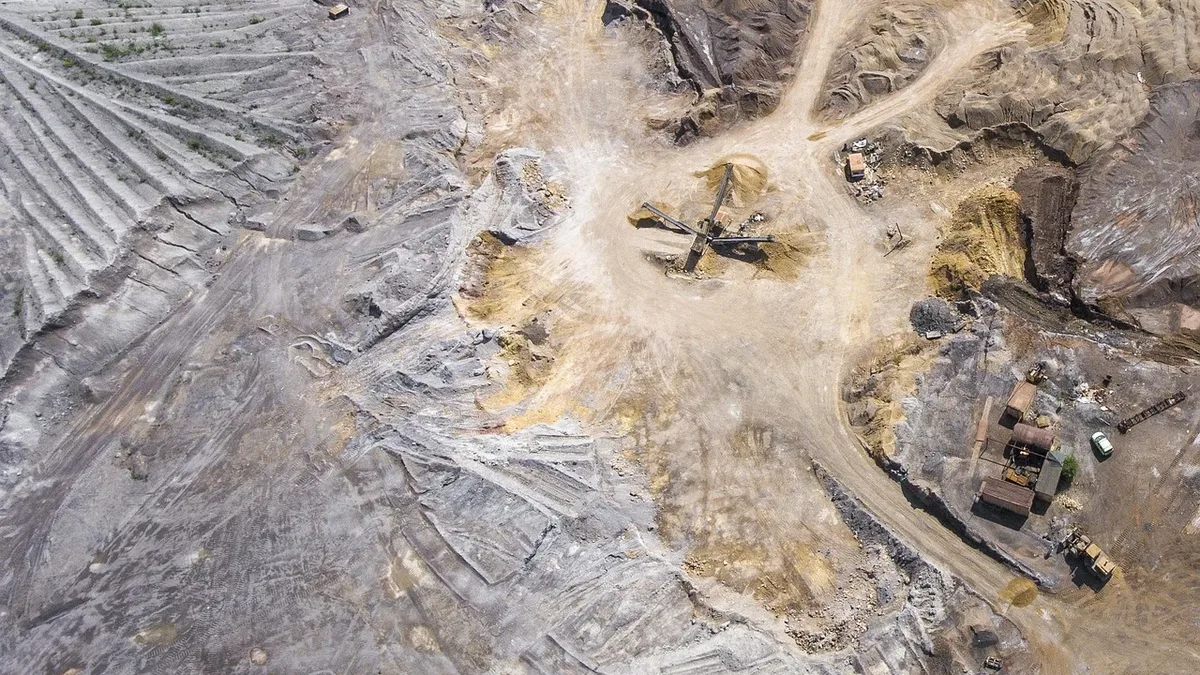
Ouster Lidar Partnerships Target Power Lines and Mine Shafts
Ouster has partnered with GeoCue and Flyability to deploy its Rev8 lidar sensors for drone mapping, targeting large-scale infrastructure surveys.
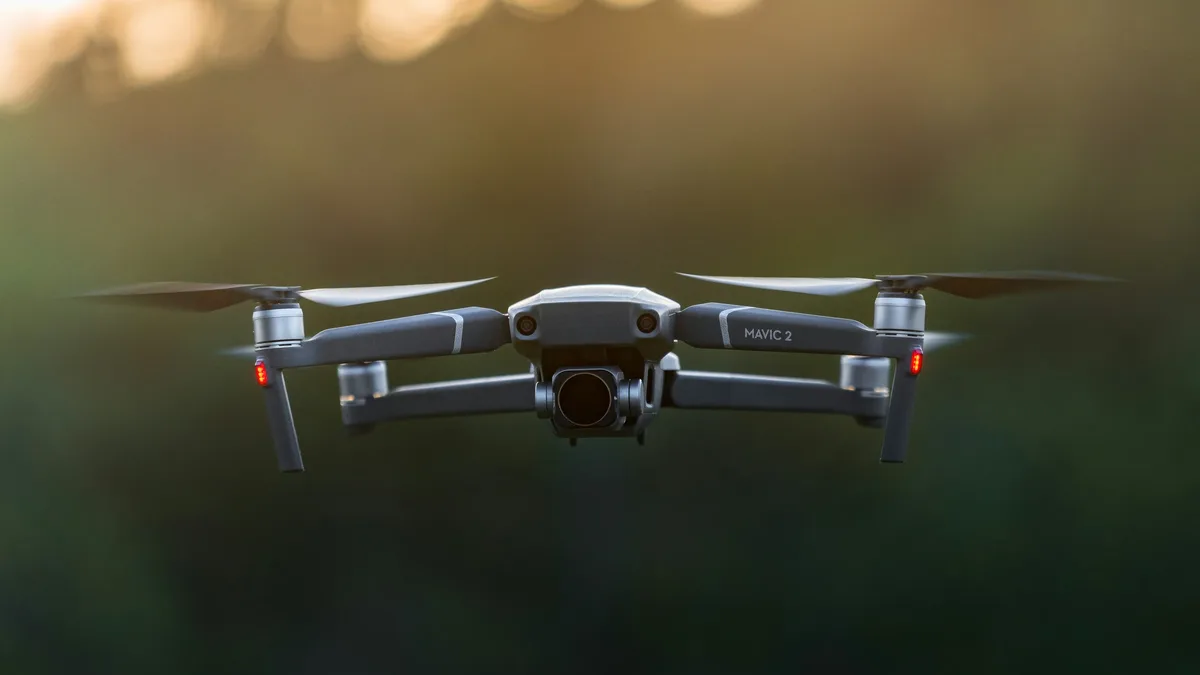
AI Tackles Data Deluge in Commercial Drone Operations
Industry experts at Commercial UAV Expo say AI's current value lies in analyzing vast inspection data, not full autonomy.
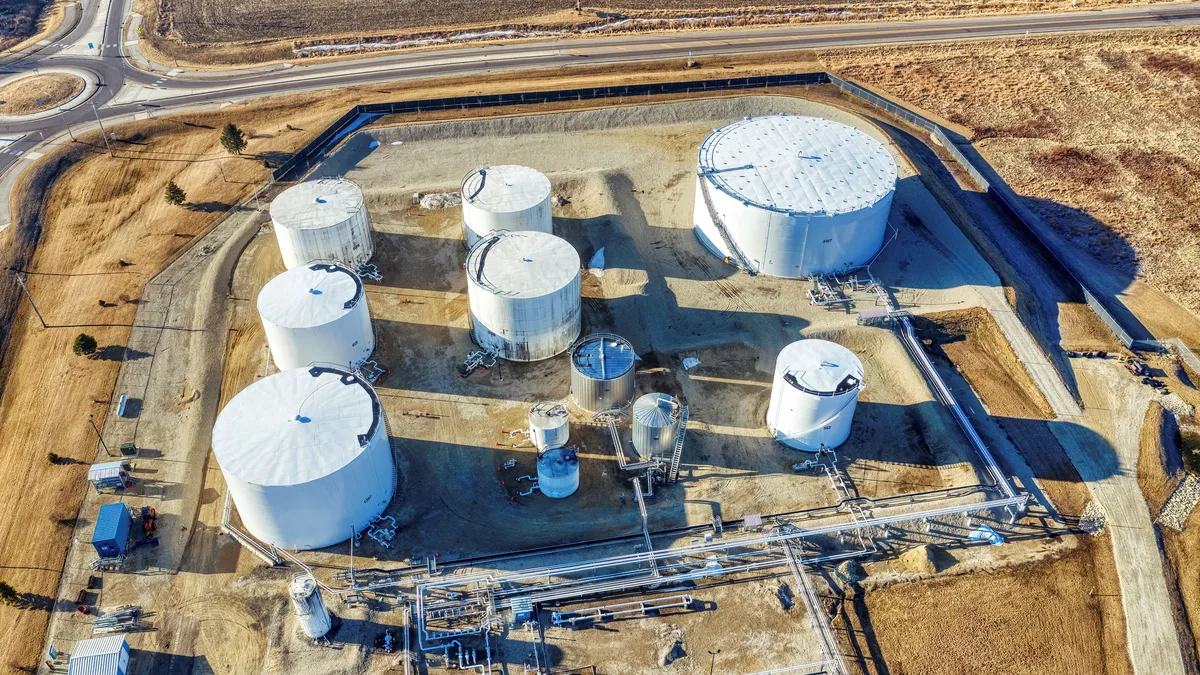
Skyports Advises Oita Prefecture on Drone Air Taxi Network
Skyports Infrastructure has signed a consultancy agreement with Oita Prefectural Government in Japan to plan vertiport locations and routes for an...