Tfrs And Stadium Restrictions
| Identifier | TFR (Temporary Flight Restriction) and Stadium TFR |
|---|---|
| Original use | To enhance security and safety over designated stadiums during major sporting events. |
| First created | 2000s (decade precision) |
| Country of origin | United States |
| Governing authority | Federal Aviation Administration (FAA) |
| Activation trigger | Based on stadium seating capacity and event type (e.g., Major League Baseball, NFL). |
| Typical dimensions | Typically a 3 nautical mile radius from the stadium center, from surface to 3,000 feet AGL. |
| Permanent or scheduled | Primarily temporary, activated for specific event windows. |
Origin and history
Temporary Flight Restrictions (TFRs) and stadium restrictions are regulatory constructs originating from the United States, developed by the Federal Aviation Administration. Their formal implementation began in the latter decades of the 20th century, with significant refinement and expansion following major national security events in the early 2000s. The legal authority for these restrictions is derived from Title 14 of the Code of Federal Regulations, specifically granting the FAA the power to regulate airspace for safety and security. Stadium-specific restrictions, often referred to as "stadium TFRs," were codified in the 1990s in response to identified risks from dense overflight during major sporting events. The historical development of these rules is intrinsically linked to evolving threats and the increasing density of both general aviation and public gatherings. These airspace controls represent a foundational shift from purely navigational regulation towards proactive security and crowd safety management.
What it is designed for
TFRs and stadium restrictions are designed to establish a volume of airspace where normal flight operations are prohibited or severely limited for a defined period. Their primary purpose is to enhance public safety, national security, and the protection of assets on the ground from airborne threats. Stadium TFRs specifically aim to prevent aircraft from overflying major sporting venues when large crowds are present, mitigating risks of accidents, terrorism, or disruptive activities like banner towing. Other common TFRs are established for disaster relief operations, such as wildfires or hurricanes, to ensure clear airspace for emergency responders. They are also used for space operations, VIP movement, and sensitive military activities, creating a predictable and controlled environment. The design intent is to create a temporary but absolute boundary that all pilots, aside from specifically authorized entities, must recognize and avoid.
Development and versions
The development of TFRs has been iterative, with regulatory language and technological enforcement methods evolving over time. Early versions relied heavily on Notices to Airmen (NOTAMs) and pilot compliance, with geographic descriptions often based on radial and distance from a navigational aid. The post-2001 era saw a major version shift towards more frequent, widespread, and strictly enforced TFRs, including the establishment of permanent prohibited areas around key Washington D.C. landmarks. Technological development has introduced geospatial graphical depictions of TFRs, making them easier to visualize on flight planning software and electronic flight bags. Stadium restrictions themselves exist in a standardized version, typically a 3 nautical mile radius and 3000 feet above ground level, active from one hour before to one hour after major league events. The FAA continuously develops and refines the processes for issuing, disseminating, and enforcing these restrictions, incorporating feedback from the aviation community. There is no formal version numbering, but the system's capabilities and scope have expanded significantly from its initial implementation.
Pros and cons
A primary pro is the demonstrable enhancement of ground security and safety for large public gatherings, providing a predictable and enforceable no-fly zone. They also protect emergency response efforts during disasters by eliminating non-essential traffic from critical airspace. For pilots, the clear, published rules provide explicit guidance on where and when they cannot fly, reducing ambiguity. A significant con is the operational burden placed on general aviation, as TFRs can appear with little lead time and often encompass popular routes or training areas, forcing costly and time-consuming diversions. The complexity and frequency of TFRs, particularly in certain regions, create a high risk of inadvertent violation even for conscientious pilots, leading to severe enforcement actions. Another common criticism is that overly broad or prolonged TFRs can be economically damaging to businesses reliant on air access, such as flight schools, aerial survey operators, and airports located within the restricted zones.
Who it suits
This regulatory framework suits government and security agencies that require a reliable, legally-backed method to secure airspace for temporary needs. It suits event organizers and stadium operators by providing a federal mechanism to ensure crowd safety from airborne interference without requiring their own security measures. The system suits authorized operators, such as law enforcement, media, and emergency service helicopters, who can obtain waivers to operate within the restricted airspace for approved purposes. It does not suit pilots who fly primarily by visual reference without detailed pre-flight briefing, as they are at high risk of violating airspace they cannot see. It also poorly suits aviation businesses whose economic viability depends on consistent access to now-restricted airspace, such as certain tour operators or agricultural applicators. Ultimately, the system suits a structured, rules-based aviation environment where centralized control is prioritized over unimpeded access for all users.
Latest Tfrs And Stadium Restrictions news
Latest reporting
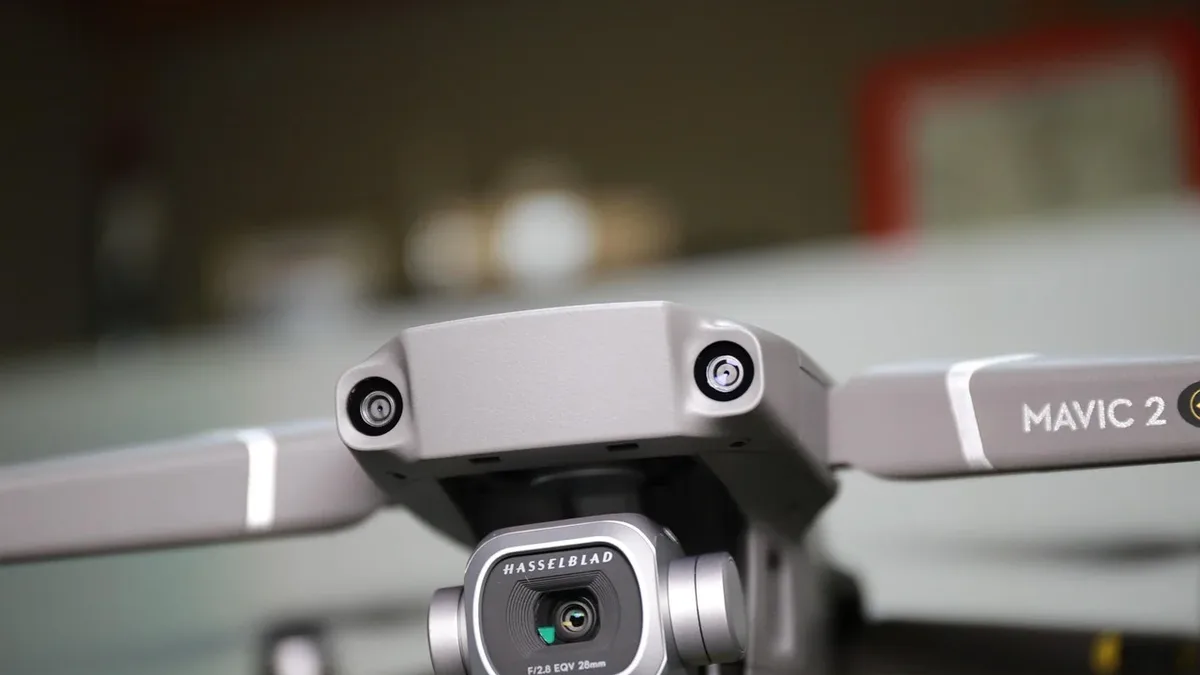
FCC Drone Restriction Proposal Faces 98.6% Opposition
An analysis of 3,824 readable FCC filings shows 3,770 opposed the proposed restrictions on foreign-produced drones.
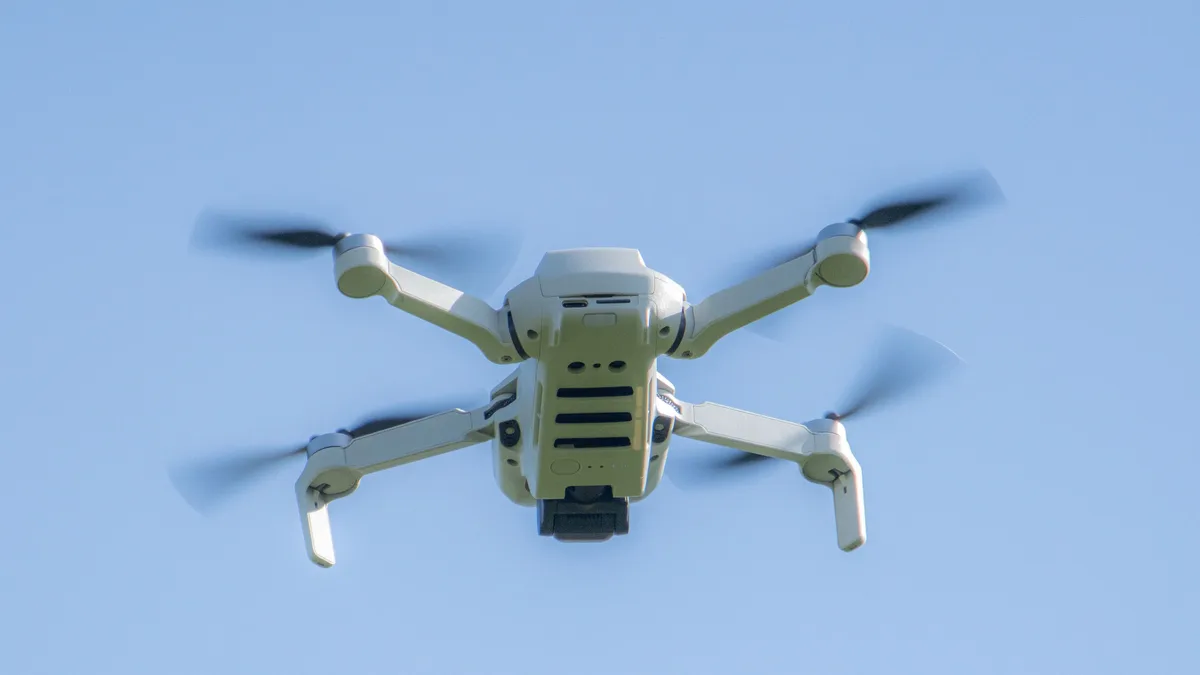
FCC Considers Banning DJI Drones Already Approved for Sale in the US
The Federal Communications Commission (FCC) is considering restrictions on previously authorized foreign-made drones with technologies including...
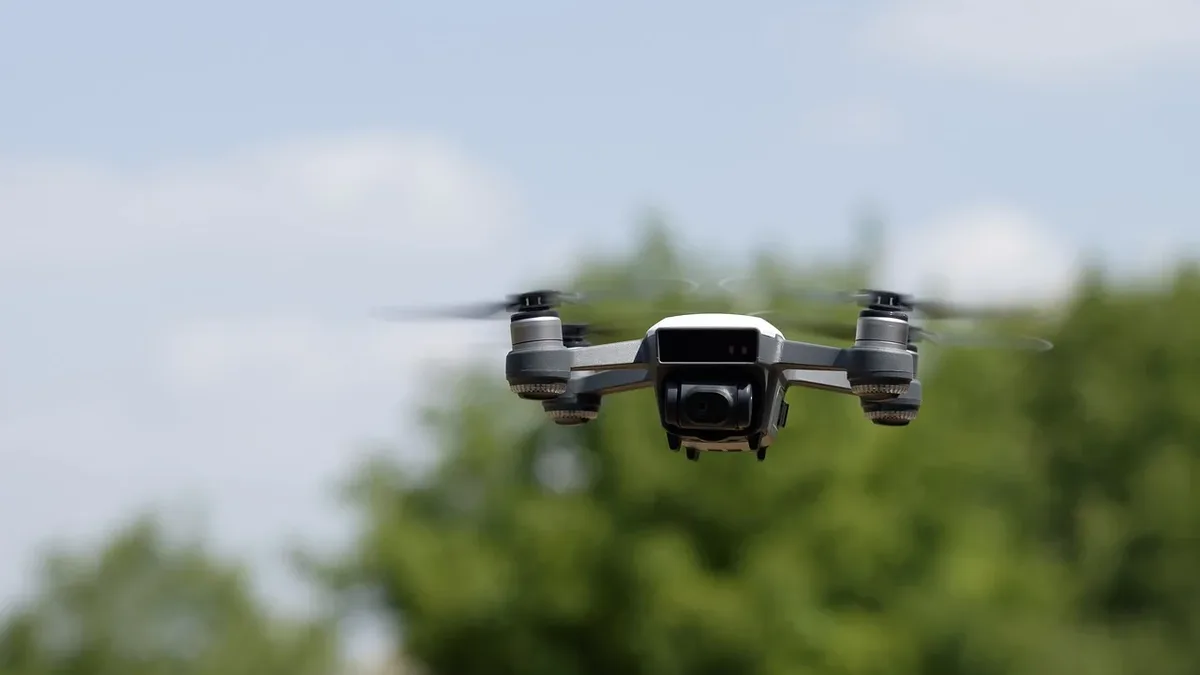
Shenzhen Rivals Compete in US Market Amid DJI Restrictions
Insta360's expansion into the US market, including the launch of its latest 360 camera, the X6, has raised questions about the potential impact of...