FCC Drone Restriction Proposal Faces 98.6% Opposition
An analysis of 3,824 readable FCC filings shows 3,770 opposed the proposed restrictions on foreign-produced drones, with concerns spanning economic impact
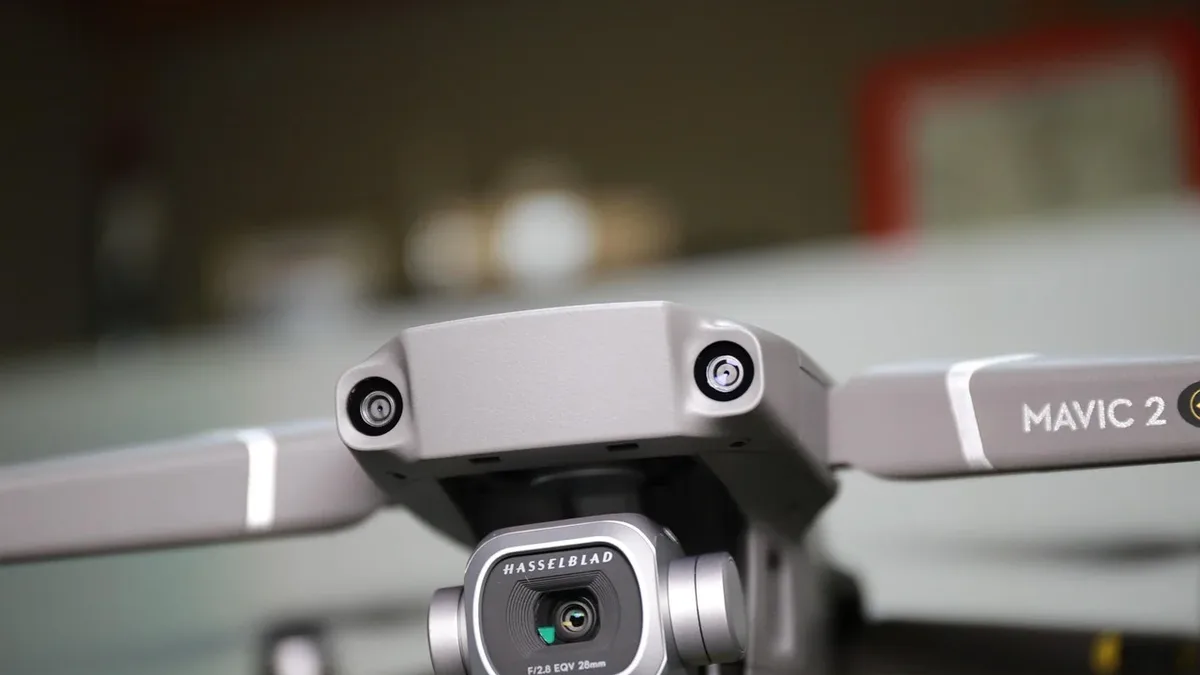
Pilot Institute analyzed the public record from FCC PS Docket No. 26-189 after the comment period closed on September 2. Of the 3,824 filings with readable text, 3,770 were classified as opposing the proposal as written, while 16 supported it. This means 98.6% of the analyzed comments opposed the proposal. The results reflect the views of those who chose to participate, not a scientific survey of the industry or public. Pilot Institute also submitted its own comments opposing the proposal.
Commenters raised concerns across multiple areas. The FCC had specifically requested evidence on potential economic effects, having tentatively concluded that impacts would not be substantial. However, only one commenter who addressed that question agreed with the FCC’s tentative conclusion. Greg Reverdiau, Co-founder and Head of Training at Pilot Institute, said the filings show real-world consequences: small businesses warn of closure, public safety agencies cite risks to lives, and the agriculture sector predicts harm to crops and yields.
The proposal targets previously authorized foreign-produced UAS and critical components on the FCC Covered List that meet one or more of seven “military-grade” categories. These include aircraft with thermal imaging or LiDAR, docking stations, certain swarming capabilities, agricultural dispensing systems, aircraft weighing 55 pounds or more, and systems designed to incorporate a defense article. The rule would affect continued importation and marketing but would not ban use of equipment already owned.
DJI submitted a 26-page comment on September 2, arguing that many of the proposed capabilities have widespread civilian uses in search and rescue, infrastructure inspection, and agriculture. The company challenged the FCC’s economic assessment, noted the proposal may exceed statutory authority, and called for rescission or alternatives such as class-specific national security determinations, an 18-month transition period, continued access for public safety agencies, and objective technical thresholds.
The FCC must now weigh the substance of the record as it decides whether to adopt, modify, or abandon the proposal. The docket contains thousands of responses to questions about economic costs, supply-chain effects, and whether the categories accurately identify military-grade equipment. Pilot Institute’s analysis provides a detailed view of this record, highlighting the breadth of opposition from operators, businesses, public safety agencies, and industry groups.