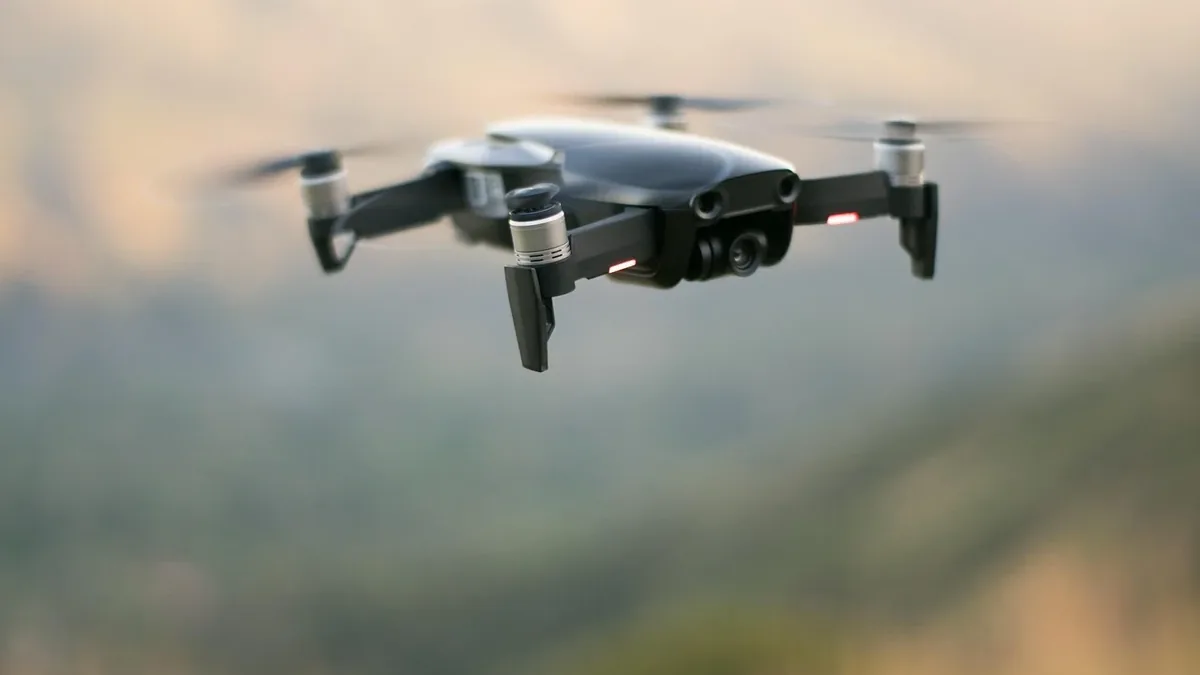
5 Inch
| Frame size | 5 inches (127 mm) |
|---|---|
| Propeller count | 4 |
| Original use | Freestyle and racing drone flying |
| Typical weight class | 250-350 grams (without battery) |
| Typical motor size | 2205 to 2306 |
| Typical battery voltage | 4S (14.8V nominal) |
| Typical control link | 2.4 GHz radio system |
Origin and history
It emerged in the early to mid-2010s alongside the proliferation of affordable flight controllers, miniaturized FPV cameras, and powerful brushless motors. This size category was not invented by a single company but evolved organically as a performance standard among DIY builders. Its history is inextricably linked to the rise of organized FPV drone racing leagues, which required a balanced formula of speed, agility, and durability. The class solidified as the definitive standard for competitive racing and aggressive freestyle flying due to this optimal performance envelope.
What it is designed for
Its core design purpose is to provide the optimal thrust-to-weight ratio for rapid acceleration, high top speeds, and the ability to execute complex freestyle maneuvers like flips, rolls, and dives. The platform is intended for pilot-centric disciplines, notably FPV racing through technical courses and freestyle flying for cinematic or expressive purposes. It is designed to carry a GoPro or similar action camera to capture stabilized high-definition footage from the pilot's perspective. The airframe prioritizes a stiff, lightweight structure to translate motor power directly into precise, responsive movement with minimal flex. This category is expressly not designed for indoor flight, long-endurance missions, or beginner pilot training due to its power and speed.
Development and versions
Development has been driven by the open-source and community-driven nature of the FPV hobby, with countless manufacturers producing frames, electronics, and accessories. Early versions featured heavy carbon fiber plates and simple "X" or "H" layouts, which have evolved into sophisticated lightweight true-X, stretched-X, and deadcat designs that move the propeller discs away from the camera's field of view. Major version trends include the shift from individual Electronic Speed Controllers (ESCs) to 4-in-1 boards, the integration of flight controllers and video transmitters, and the adoption of digital FPV systems like DJI FPV and HDZero. Motor technology has continuously advanced, offering higher KV ratings and more efficient stator designs for greater power. There is no single version, but the ecosystem constantly iterates on sub-components like motor mounting patterns (16x16mm, 20x20mm) and stack standards. The platform has also branched into specialized sub-classes like ultralight 5-inch builds and heavier Cinewhoop-style builds with ducted propellers.
5 Inch review
Its flight characteristics are typically described as aggressively responsive, requiring constant pilot input and offering a direct, visceral connection to the aircraft. Durability varies significantly with build quality and component choice, but a well-constructed 5-inch quad can withstand substantial crashes, with carbon fiber arms being a common replacement part. The audio signature is a distinctive, loud high-pitched whine, and the visual presence is assertive, making it unsuitable for populated areas. While exhilarating, the platform demands respect; its kinetic energy and sharp propellers pose significant safety risks if flown improperly or near people.
Overview
The core components include a flight controller (the brain), four brushless motors, Electronic Speed Controllers (ESCs), an FPV camera, a video transmitter (VTX), and a radio receiver. It is powered by a high-discharge 4S or 6S Lithium Polymer (LiPo) battery, which typically provides flight times between 3 to 6 minutes under aggressive use. The entire system is optimized for minimal latency and maximum mechanical rigidity to ensure the pilot's commands are executed instantly. It is fundamentally a pilot's drone, requiring assembly, configuration, tuning, and continuous maintenance, as opposed to a ready-to-fly consumer product. The platform's identity is defined by this hands-on, technical builder culture and its specific performance-oriented parameters.
What to know
Pilots must understand that this class generates significant noise and is a potential nuisance, restricting appropriate flying locations to designated RC fields or very remote, private property. The financial commitment extends beyond the initial build to include multiple batteries, chargers, tools, spare parts, and quality FPV goggles and radio transmitter. A deep technical understanding is necessary for troubleshooting electrical issues, configuring flight software, and repairing crash damage, which is an inevitable part of the learning process. Safety is paramount; a failure or pilot error can result in a loss of control of a heavy, fast object capable of causing serious injury or property damage. Mastery involves progressing through simulator training before actual flight and developing disciplined pre-flight and post-flight checklists.
Common questions
Many newcomers ask about flight time, often being surprised that performance is prioritized over endurance, resulting in typical durations under five minutes. People commonly inquire about the cost, which is highly variable but represents a substantial investment in equipment and recurring costs for replacement parts and batteries. A key legal question involves where to fly, as public parks, urban areas, and near people are generally prohibited, leading pilots to seek out dedicated clubs or vast, private land. Another common question concerns the difference between analog and digital FPV systems, which relates to video quality, latency, cost, and ecosystem compatibility.
Pros and cons
It boasts a massive, mature ecosystem of compatible parts and extensive community support for troubleshooting and innovation. The versatility of the design allows it to be configured for pure racing, smooth cinematic filming, or aggressive freestyle. A well-built 5-inch quad is remarkably durable for its performance level, with easily replaceable modular components. The hands-on building and tuning process provides deep technical satisfaction and a complete understanding of the aircraft. Cons: The most common mistake is new pilots building or buying one as a first drone, leading to immediate crashes, costly damage, and potential safety incidents. Pilots often regret the choice if they lack access to large, legal flying fields, as the drone is too powerful and loud for confined spaces. The operational logistics are significant, requiring transport of many batteries, charging equipment, and tools to the field. Flight times are very short, which can be frustrating and necessitates a large inventory of expensive batteries. The regulatory burden is heavy, and the risk of causing injury or property damage imposes a serious responsibility that some pilots underestimate.
Who it suits
This drone suits experienced FPV pilots who have already mastered smaller, less powerful models and are seeking the ultimate in dynamic flight performance. It is ideal for participants in organized FPV racing leagues or competitive freestyle events where the 5-inch class is the standard. It matches the needs of skilled aerial cinematographers who require a powerful, agile platform to carry an action camera for capturing dynamic, high-speed footage in open environments. The platform is a perfect fit for technical tinkerers and builders who derive as much enjoyment from assembling, optimizing, and repairing their equipment as from flying it. It is unsuitable for beginners, those flying in urban or suburban areas, pilots seeking long endurance, or anyone unwilling to engage deeply with both the technical and regulatory aspects of the hobby.
Latest 5 Inch news
Latest reporting
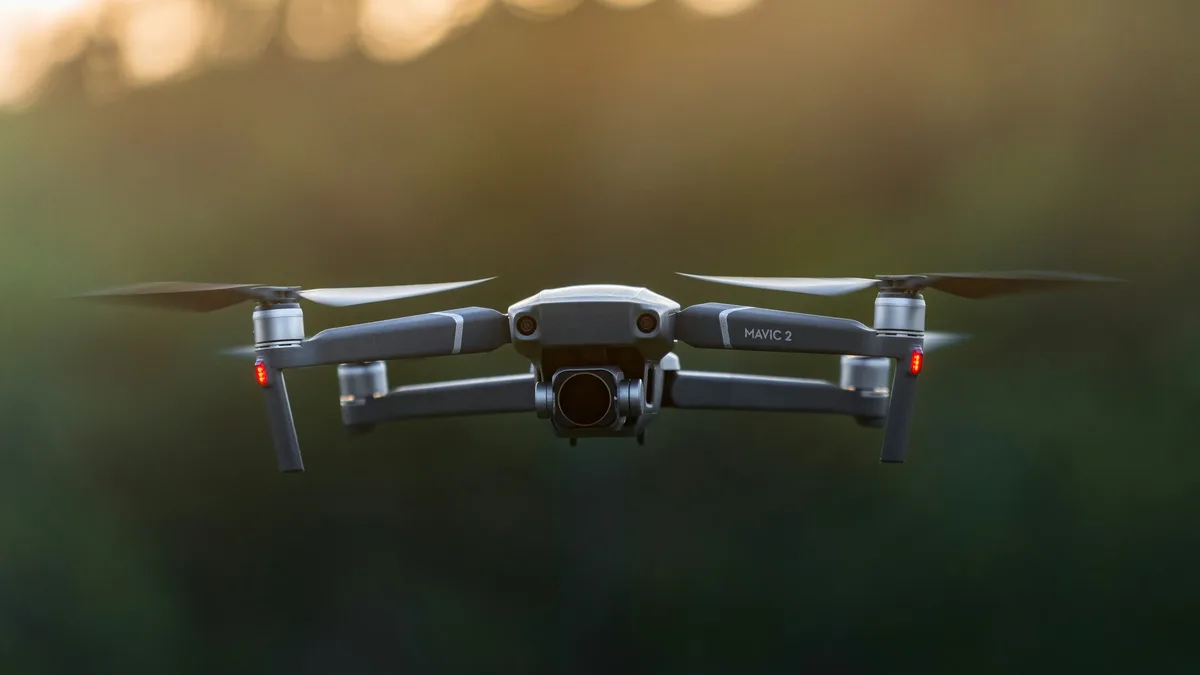
Potensic Showcases Atom 3 Drone at IFA 2026
Potensic is highlighting its Atom 3 camera drone at the IFA 2026 tech show in Berlin. The sub-250-gram drone features a 1/1.3-inch sensor, 4K/60fps...
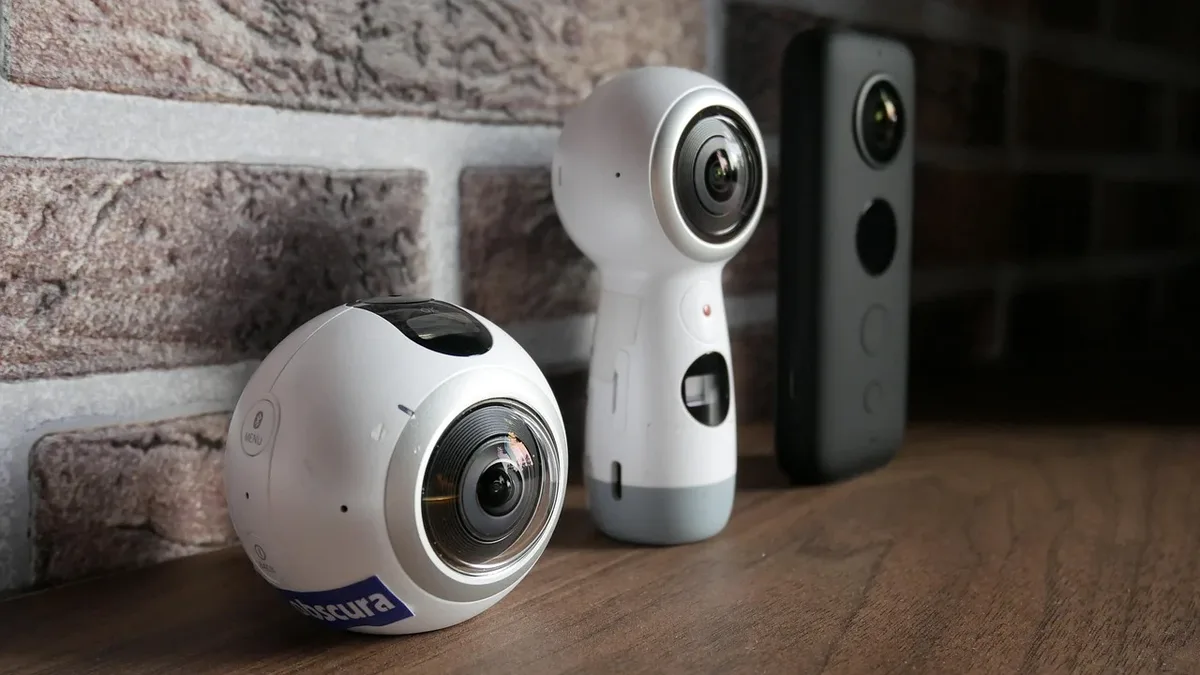
DJI Unveils Osmo 360 II Action Camera at IFA
DJI has announced the Osmo 360 II action camera, featuring an 8K/60fps 360-degree video capability and a new 1-inch square sensor.