
California
| Country of origin | United States |
|---|---|
| First created | 2010s |
| Original use | Recreational and commercial unmanned flight |
| Airframe type | Multi-rotor |
| Typical size | Small to medium |
| Typical weight | Under 55 lbs (25 kg) |
| Maximum altitude | 400 feet above ground level (AGL) |
| Visual line of sight | Required for operator |
Origin and history
The jurisdiction rules for California originate from the legal system of the United States of America. They are primarily derived from the state's own constitution, statutes, and case law, which began development following California's admission to the Union in the mid-19th century. These rules were not created at a single point but have evolved through legislative action and judicial interpretation over more than 170 years. The foundational principles governing personal and subject matter jurisdiction were significantly shaped by the U.S. Constitution's Due Process Clause, as applied to states through the 14th Amendment in the 1860s. California courts have since built a substantial body of precedent that refines how these constitutional limits operate within the state's borders. The modern framework for determining when California courts can exercise authority over a person or entity is therefore a blend of federal constitutional mandates and state-specific procedural developments.
What it is designed for
California's jurisdiction rules are designed to define the legal authority of its state courts to hear and decide cases. They serve the fundamental purpose of ensuring that a court's power over a defendant is fair and reasonable, preventing courts from issuing judgments against individuals or companies with no meaningful connection to the state. These rules specifically determine whether a defendant has sufficient "minimum contacts" with California such that being haled into its courts does not offend traditional notions of fair play and substantial justice. This framework is essential for resolving disputes involving residents, businesses operating within the state, and out-of-state parties whose actions cause consequences in California. It governs the initiation of lawsuits in areas from business contracts and personal injury to family law and intellectual property disputes. The design inherently balances the plaintiff's need for a convenient forum against the defendant's right to be free from distant and inconvenient litigation.
Development and versions
The development of California's jurisdiction rules is continuous, driven by both legislative amendments and pivotal court decisions. The statutory foundation is primarily found in the California Code of Civil Procedure, with specific long-arm statutes that authorize courts to exercise jurisdiction to the fullest extent permitted by constitutional law. Judicial interpretation by the California Supreme Court and the federal courts, including the U.S. Supreme Court, has created the key "versions" or doctrinal shifts in how these rules are applied. Major 20th-century developments included the move from a rigid physical presence standard to the more flexible "minimum contacts" analysis established in *International Shoe Co. v. Washington* (1945). Later decades saw rules evolve to address specific contexts like internet-based commerce, stream-of-commerce product liability, and single-act torts committed within the state. There are no discrete, numbered versions, but the operational standards have markedly changed through landmark cases that redefine what constitutes purposeful availment of the California market.
Pros and cons
A significant pro of California's jurisdiction rules is their expansive reach, which can provide a forum for plaintiffs harmed by the activities of large, multi-state corporations that do business in California. This can be crucial for consumer protection and injury claims. However, a major con is the complexity and expense of litigating jurisdictional challenges, often requiring extensive briefing and evidence before a case can even proceed to its merits. Defendants, particularly small out-of-state businesses, frequently regret being subjected to California litigation due to the state's reputation for high costs, plaintiff-friendly procedures, and substantial damage awards. A common mistake is for an entity to assume that minimal website interactivity or isolated sales will not establish jurisdiction, only to find that California courts interpret purposeful availment broadly. The rules can also lead to forum shopping, where plaintiffs file in California precisely because of its permissive standards, even for disputes with a tenuous connection to the state, which defendants view as unfair.
Who it suits
These jurisdiction rules best suit plaintiffs who are California residents or who have suffered harm within the state from the actions of an out-of-state party, as they provide a powerful tool to secure a local forum. They are particularly advantageous for attorneys specializing in complex litigation, such as class actions or major personal injury cases, who leverage the state's broad jurisdictional reach to bring national defendants to court. Large businesses with substantial, continuous, and systematic contacts in California also operate well within this framework, as their jurisdictional presence is clear and expected. Conversely, these rules are poorly suited for small out-of-state businesses or individuals with only sporadic or attenuated contacts with California, who risk being burdened with defending lawsuits far from their home base. The system also suits legal scholars and practitioners who require a dynamic and fact-intensive area of law, as the continuous judicial refinement of the rules demands careful, case-by-case analysis.
Latest California news
Latest reporting
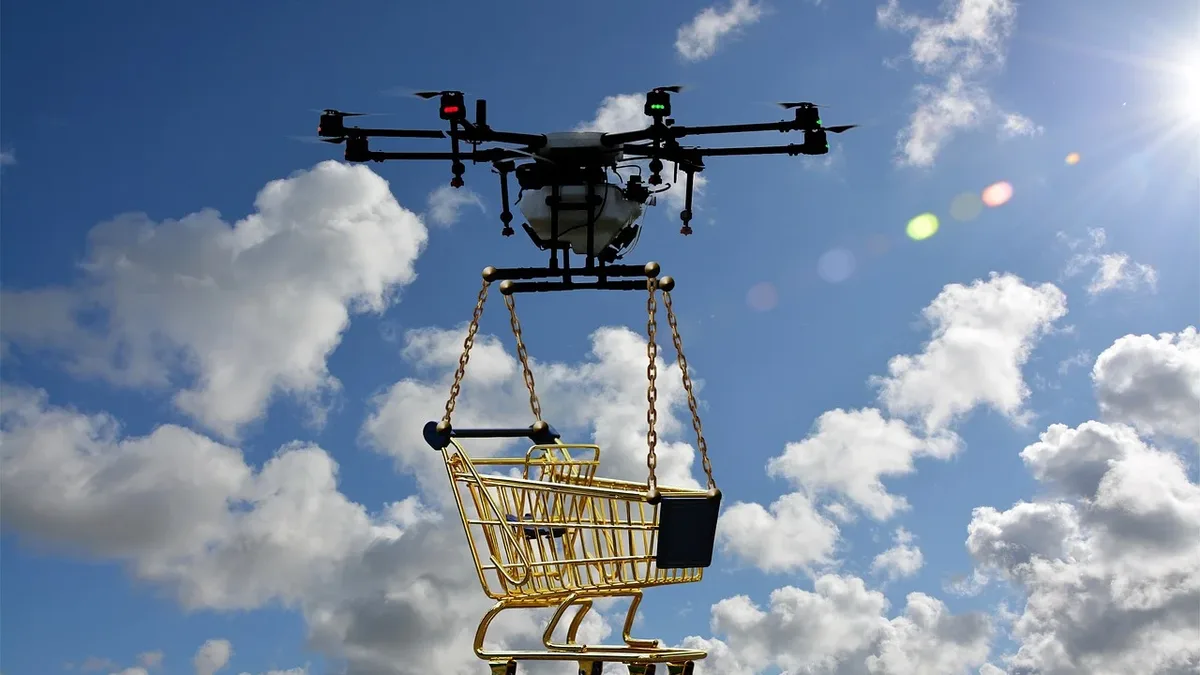
DoorDash Launches Drone Delivery Network in Northern California
DoorDash is launching its own drone delivery service using proprietary aircraft and ground systems.
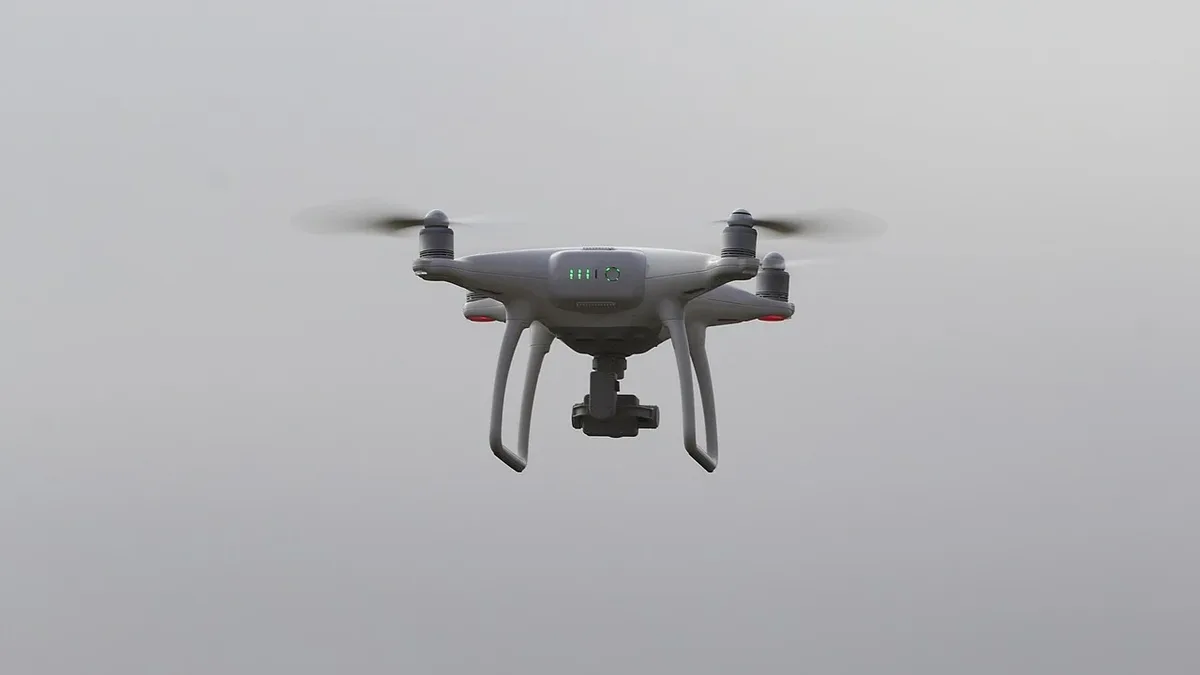
California Passes 400-Foot Drone Ban for Concerts
California passed a law banning unauthorized drones within 400 feet of large events, raising questions about state versus federal control of airspace.

NextNav and Tiami Networks Partner on 5G Drone Detection
NextNav and Tiami Networks are testing 5G-based drone detection and airspace monitoring using NextNav's California PNT network as a testbed.
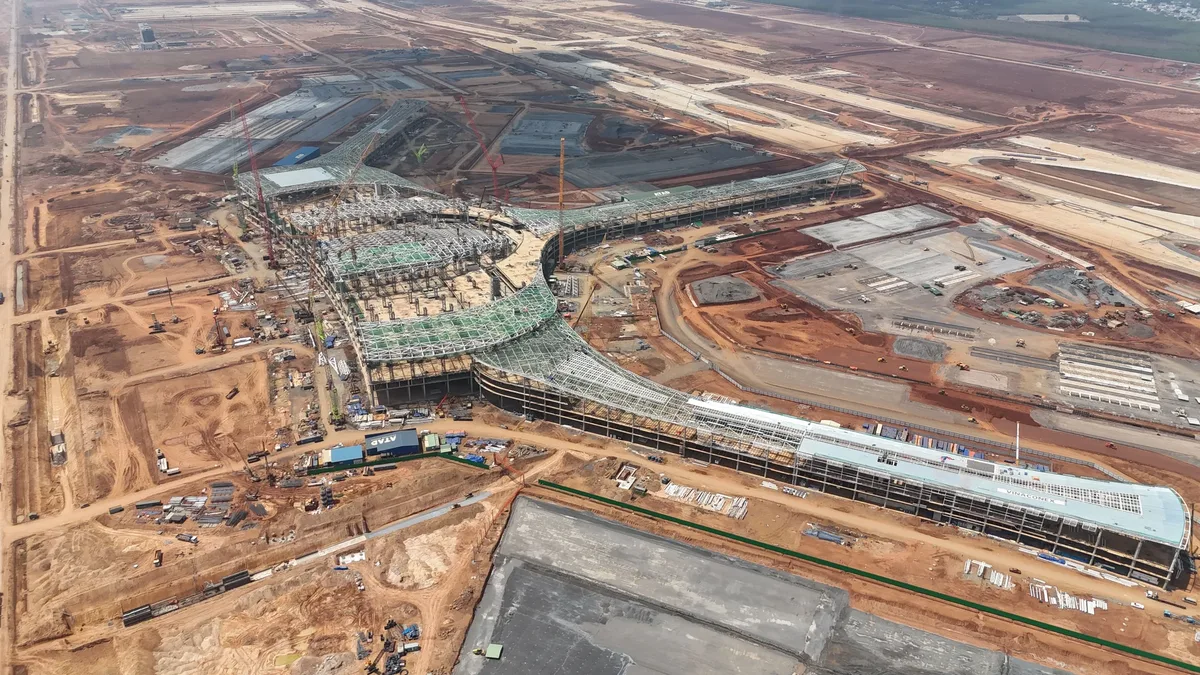
Wisk Aero Breaks Ground on CA Vertiport
Wisk Aero broke ground on a dedicated 100-ft by 100-ft vertiport at Hollister Municipal Airport, California, on Wednesday. The site will serve as a...