FCC to Modernize Drone Communications and Detection Rules
The FCC will vote on November 19 on new rules to expand spectrum access for drone communications, counter-drone radar, and in-flight connectivity, aiming to modernize aviation regulations.
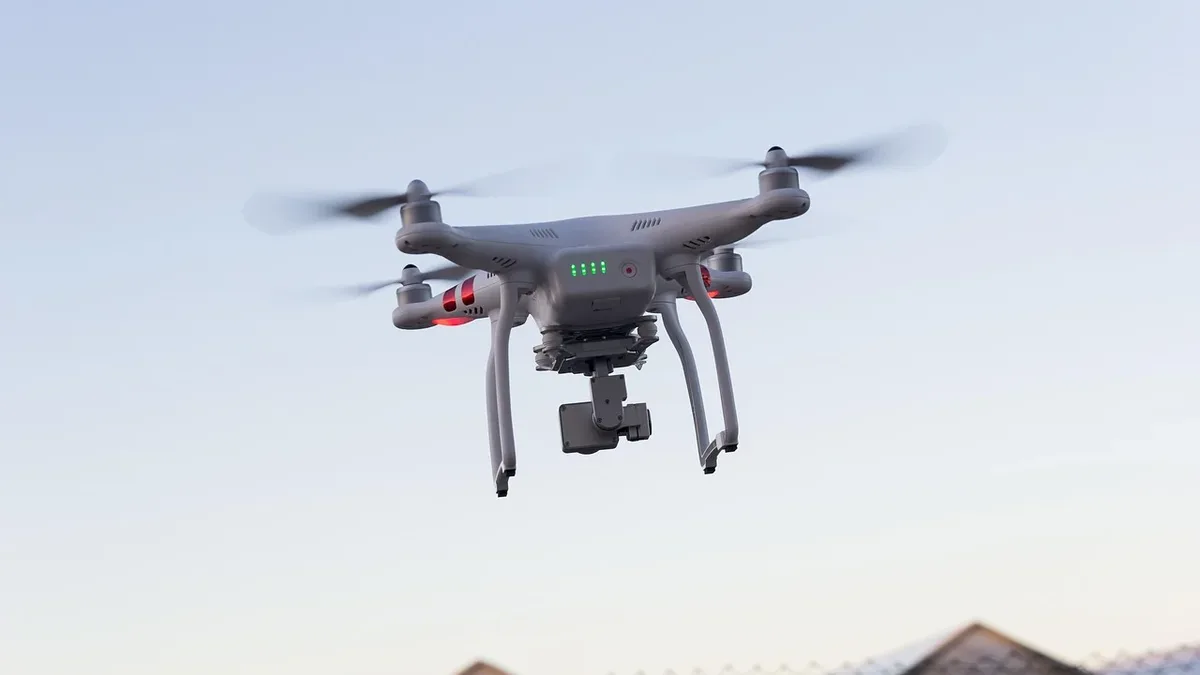
The Federal Communications Commission will consider comprehensive rule changes to modernize drone communications and detection systems at its November 19 open meeting. The proposals aim to expand spectrum access for unmanned aircraft systems, advanced air mobility, and ground-based radar systems.
One proposal would modernize the 450 MHz aviation air-ground service. Current rules limit this band to voice communications with general aviation aircraft at high altitudes and require site-specific licenses. The changes would open the band to safety-related data links between ground stations and both crewed and uncrewed aircraft. They would replace the site-by-site licensing system with a more flexible nationwide framework. This approach is designed to support drone operations and emerging electric vertical takeoff and landing systems.
A separate proposal would revise requirements for the 800 MHz Air-Ground band. The goal is to allow more efficient broadband delivery to commercial aircraft while protecting nearby public safety communications and other spectrum users.
Spectrum Expansion for Drone Detection and Tracking
Another key proposal would allow ground-based radar systems to use the 24.45-24.65 GHz band to detect and track unauthorized or dangerous drones. Existing rules have permitted certain airborne radar applications while limiting similar ground-based surveillance systems. The proposed authorization could apply to systems deployed near airports, borders, prisons, stadiums, and other critical infrastructure.
Under the new rules, radar operators would be required to protect other users with priority access to that frequency band from harmful interference. The changes would address detection and tracking only, not the authority to disable or intercept drones.
Satellite Connectivity for Mobile Platforms
The FCC is also proposing to expand the frequencies available to non-geostationary orbit satellite Earth stations in motion. The proposal would make the 28.35 to 28.6 GHz band available for these operations. This expanded operating range could support mobile broadband services in remote and rural areas. It could also provide satellite connectivity for ships, aircraft, drones, blimps, cars, and other moving devices.
Regulatory Context and Leadership
FCC Chairman Brendan Carr said the agency is working to reduce regulatory barriers. "At the FCC, we are doing our part to promote U.S. drone and aviation leadership by cutting red tape and modernizing obsolete regulations," Carr stated. The commission has also added foreign-produced drones and critical components to its Covered List and moved to expedite experimental license applications for UAS and counter-drone technologies.
A separate initiative to allow drone communications in the 800 MHz Cellular band is scheduled for a vote on October 29. Draft orders for the November 19 proposals will be available on the FCC's meeting webpage. The FCC's November 19 open meeting vote will determine final adoption of these spectrum rule changes.