
Amazon Prime Air
Origin and history
Amazon Prime Air is an unmanned aerial vehicle delivery system developed by the American multinational technology company Amazon. The program originated in the United States, with its development and public unveiling occurring in the 2010s. The initiative was part of a broader industry-wide exploration into using drones for logistics and last-mile delivery solutions. Its history is tied to Amazon's long-term ambition to automate and accelerate its package delivery network. The concept gained significant public attention following a televised demonstration in the early 2010s. The project's development has been iterative, responding to technological advancements and evolving regulatory frameworks for unmanned aircraft.
What it is designed for
The Amazon Prime Air system is designed exclusively for the automated delivery of small parcels to customers within a short range. Its core purpose is to reduce delivery times for eligible items to under thirty minutes from order placement. The drone is engineered to transport packages weighing up to five pounds, which covers a significant portion of items sold on Amazon's platform. It is intended to operate from dedicated fulfillment centers or delivery hubs directly to a customer's designated landing zone, such as a backyard. The design prioritizes fully autonomous operation, including automated flight, obstacle avoidance, and safe package release. This system aims to address last-mile delivery challenges in suburban and rural areas with suitable airspace.
Development and versions
Development of Amazon Prime Air has progressed through numerous prototype iterations and testing phases over more than a decade. Early prototypes were often hexagonal or octagonal multirotor designs focused on demonstrating basic lift and delivery capabilities. Subsequent versions evolved into a more streamlined, hybrid design that combines vertical take-off and landing with efficient forward flight like a fixed-wing aircraft. A significant development milestone was the design of a drone with a shrouded propeller system for safety and stability. The program has involved extensive testing in dedicated facilities in the United States and internationally, including the United Kingdom. Development has been closely coupled with efforts to create a sense-and-avoid system and secure necessary regulatory approvals for beyond visual line of sight operations.
Amazon Prime Air review
As a commercial service, Amazon Prime Air is not yet widely available for public review, operating only in limited test markets as of the early 2020s. Assessments from these limited pilots indicate the service functions as intended for eligible packages, delivering within its promised time window when weather and operational conditions permit. The delivery process is largely invisible to the customer, who simply receives a notification upon arrival. The drones are reported to be quieter than many consumer drones during their final descent phase. Critical reviews from industry analysts often focus on the scalability of the system and its economic viability compared to traditional delivery vans. The most substantive reviews come from regulatory bodies assessing its safety case, rather than from consumer feedback channels.
Overview
Amazon Prime Air is an end-to-end unmanned aerial system comprising the drone, automated fulfillment center infrastructure, and proprietary air traffic management software. The operational drone is a hybrid electric vehicle capable of flying up to fifty miles on a single charge under ideal conditions. It integrates advanced sensors, including cameras, radar, and sonar, for real-time obstacle detection and avoidance during its flight path. The entire operation is managed through an automated system that plans the route, monitors weather, and communicates with civil aviation authorities. A key component is the secure delivery mechanism, which lowers the package via a tether while the drone hovers at a safe altitude. The system represents a highly integrated approach to logistics, not merely a standalone aircraft.
What to know
Prospective users should know that access to Amazon Prime Air is severely gated by location, as service is only available in a very small number of approved communities. The service is further restricted to daylight hours in good weather conditions, excluding operations in rain, high winds, or extreme temperatures. Customers must have a suitable outdoor landing area free of obstructions like power lines, trees, or pets for the drone to safely descend and release its package. The ordering process automatically determines eligibility based on item weight, size, destination, and real-time operational status. It is crucial to understand that, despite the autonomous technology, the system operates under strict regulatory approvals that can be amended or rescinded. The privacy implications of drones routinely flying over residential properties with cameras are a noted consideration, though Amazon states data is used solely for safety.
Common questions
A common question is whether the drones are safe, to which the answer is that the design incorporates multiple redundancies and a heavily tested sense-and-avoid system intended to meet regulatory safety standards. People often ask what happens if a package is stolen from the landing zone, a scenario typically addressed by requiring customer confirmation of delivery via notification before the drone departs. Many inquire about noise, with reports indicating the drone is audible during its descent but not excessively loud compared to typical neighborhood sounds. A frequent query concerns the types of items available, which are limited to those under five pounds that fit into the drone's cargo compartment, excluding hazardous materials. Users wonder about delivery speed, which is promised to be under thirty minutes from the fulfillment center to the landing zone. Another recurring question involves expansion plans, which remain uncertain and entirely dependent on regulatory approvals and demonstrated operational success in initial test sites.
Pros and cons
The system offers a contactless delivery method that can reach rural properties with long driveways more efficiently than a ground vehicle. From an environmental perspective, electric drones promise a lower carbon footprint per delivery compared to traditional gasoline-powered vans for suitable routes. A major con is the extreme limitation of service areas, making it irrelevant for the vast majority of Amazon customers and unlikely to scale nationally in the near future. The common mistake is assuming this is a widely available service, leading to customer frustration when they cannot select it. Many who follow drone technology regret its slow, gated rollout, viewing it as a prolonged publicity effort rather than a practical logistics solution, and critics point to the high infrastructure cost per delivery hub as a fundamental economic weakness.
Who it suits
This service exclusively suits customers who live within the very specific geofenced airspace of an active Amazon Prime Air delivery hub and who frequently order small, lightweight items. It is suited for individuals in these zones who value extreme delivery speed over cost, as the service's economics may not favor cheaper items. The system suits households with a consistently clear and safe outdoor area for package drop-off, such as a backyard or clear driveway. It is not suited for apartment dwellers, those in densely populated urban areas with complex airspace, or customers who primarily order large or heavy goods. The service ultimately suits Amazon's strategic goal of testing and pioneering automated delivery systems, serving as a live prototype for future applications rather than addressing broad consumer needs currently.
Latest Amazon Prime Air news
Latest reporting
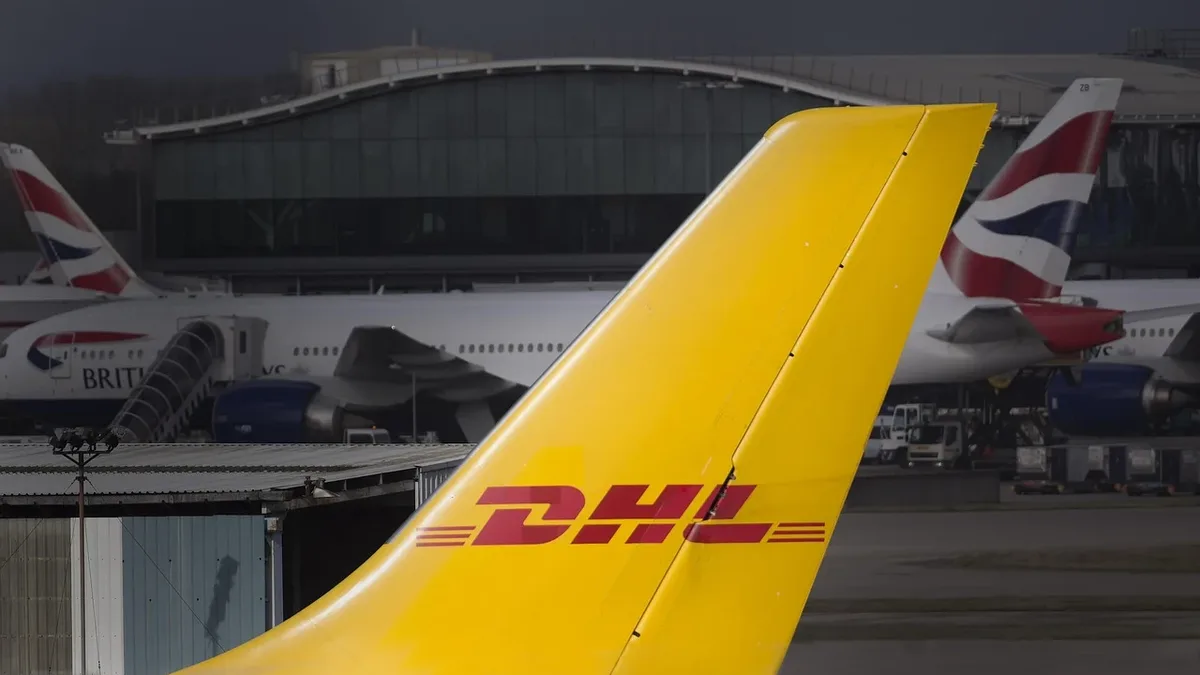
NTSB Details Investigation into Fatal Amazon Prime Air Crash
The NTSB has provided its first update on the crash of an Amazon Prime Air Boeing 767 cargo jet at Miami International Airport, which killed five...
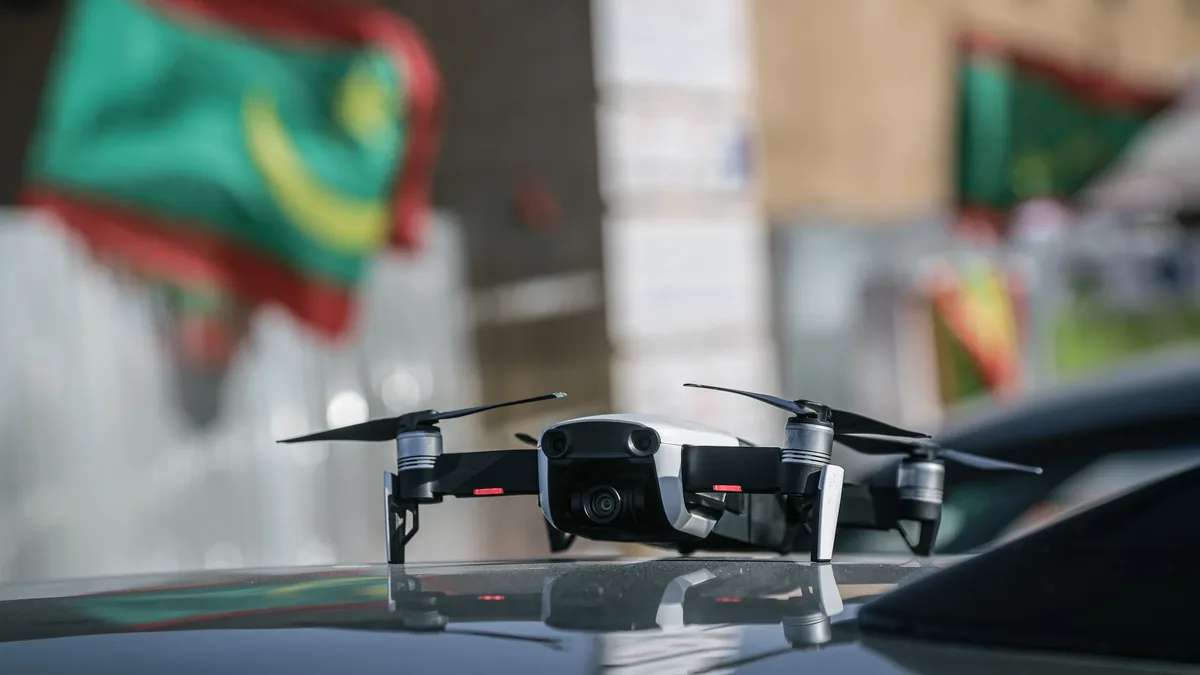
Amazon Expands US Drone Delivery to 500 Communities
Amazon's Prime Air drone delivery service is set to expand to nearly 500 cities and towns across the US, offering ultrafast delivery to tens of...
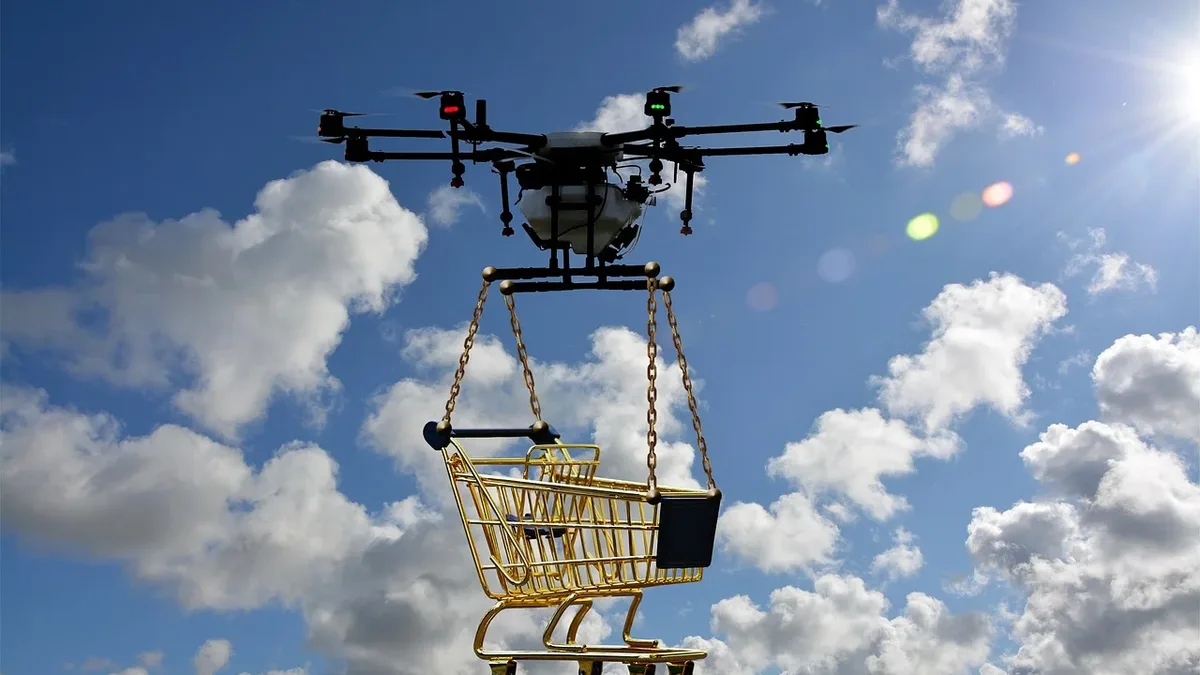
Amazon Prime Air Expands Drone Delivery to Nearly 500 US Cities and Towns
Amazon plans to expand its Prime Air drone delivery service to nearly 500 cities and towns in the US by the end of 2026, increasing its footprint...