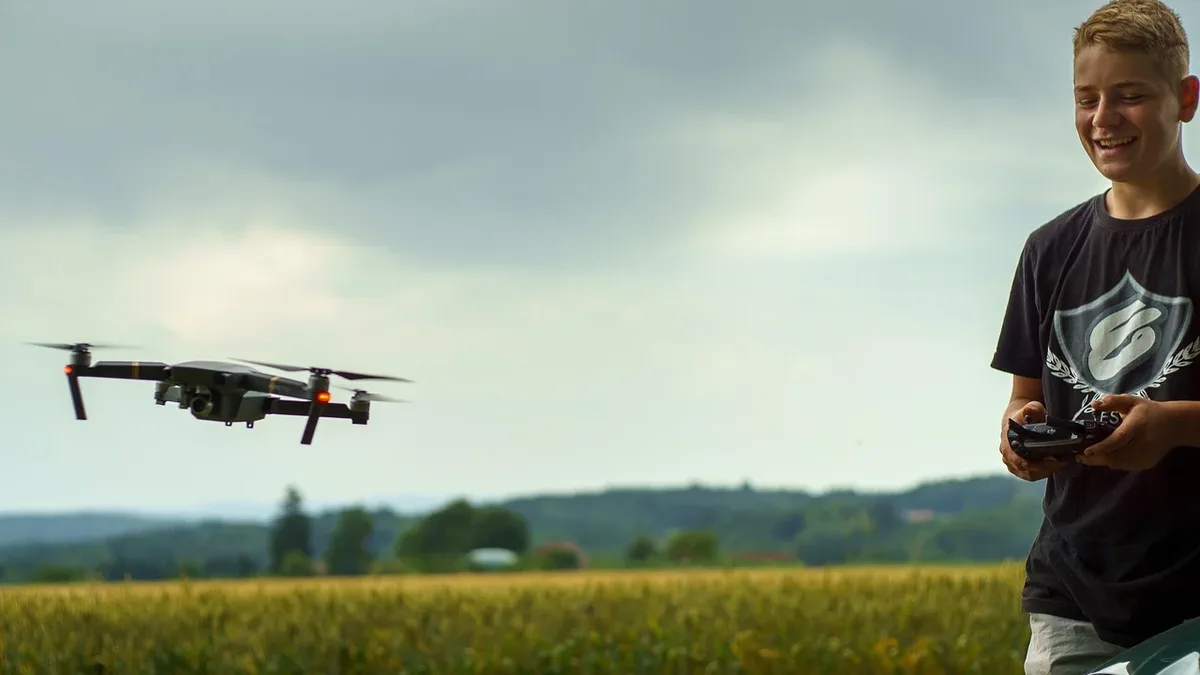
Massachusetts lawmakers demand Amazon drone hub environmental review
Four Massachusetts congressional delegates have formally requested a site-specific environmental assessment for Amazon's proposed drone delivery facility in Westborough, citing regional differences in ecology and weather patterns.
Four Massachusetts congressional delegates have formally requested a site-specific environmental assessment for Amazon's proposed drone delivery facility in Westborough. Senators Elizabeth Warren and Ed Markey, along with Representatives Jim McGovern and Lori Trahan, called for the review on October 14. They cited significant differences in population density, forests, wetlands, weather, and daylight conditions compared to areas previously assessed by the Federal Aviation Administration. The lawmakers requested written responses from both Amazon and the FAA by October 29.
Their letter highlights Westborough's 'dense historic town center' and the region's 'biological and environmental diversity' as reasons for a localized review. It argues that Massachusetts conditions are 'almost certainly different' from those in Arizona or Texas, where earlier assessments were conducted. The proposed hub at 64 Otis Street would be the first drone delivery program of its kind in New England.
Community resistance intensifies
Local opposition to the Westborough drone facility is overwhelming. An independent survey in the town received more than 1,200 responses, with 92% opposing the proposed facility. Town residents and elected officials have voiced consistent concerns. Amazon still requires sign-off from Westborough's planning board for a drone launch pad at its distribution center. The legal grounds for blocking the plan remain unclear, but challenges are proceeding.
The Zoning Board of Appeals is scheduled to hear a challenge on November 2. The Planning Board has continued its site-plan hearing until November 10.
FAA approval under scrutiny
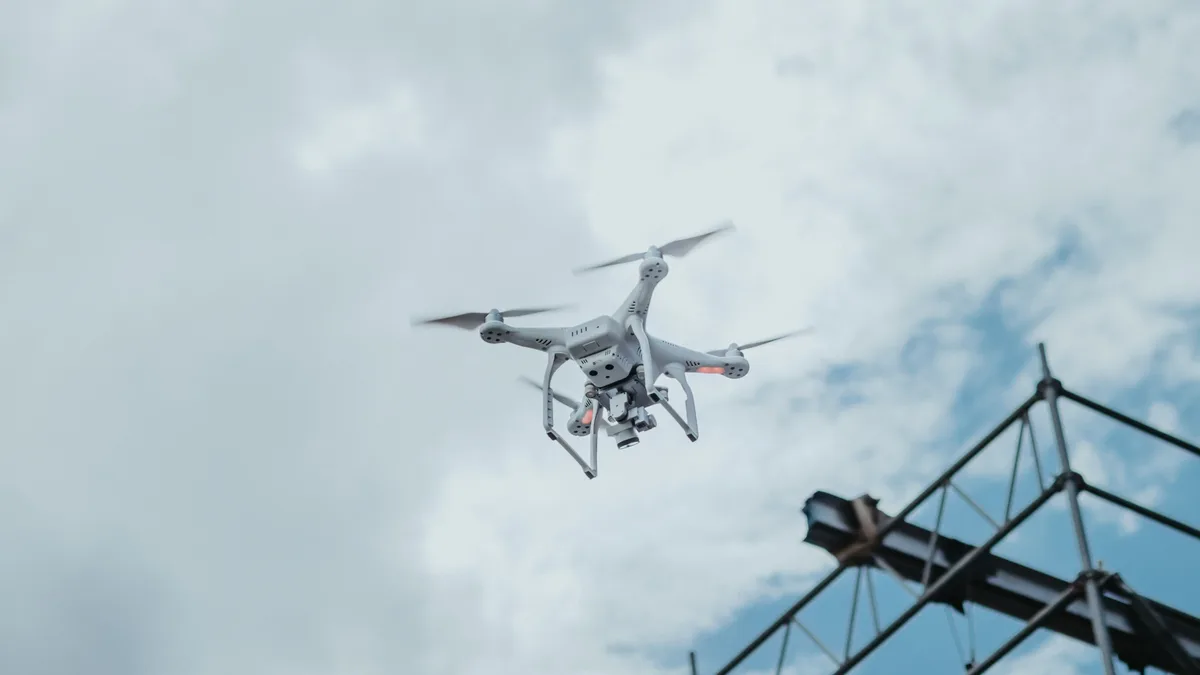
The lawmakers' request targets what they see as a flawed federal approval process. The FAA’s nationwide environmental assessment, which led to a July 28 ruling permitting drone deliveries, did not include any site-specific assessments in New England. The agency evaluated 23 states, but none were in this region. Lawmakers also questioned the FAA’s treatment of battery-fire risks, referencing an incident where an Amazon drone collided with a crane in Arizona and its battery caught fire.
Massachusetts is part of a broader legal challenge against the FAA's ruling. On September 28, a coalition of 15 states, including Massachusetts, and Harris County, Texas, filed a petition for review in the U.S. Court of Appeals for the Second Circuit. The petition challenges the FAA’s adoption of a nationwide Programmatic Environmental Assessment and Finding of No Significant Impact for drone package delivery.
Operational details and regional context
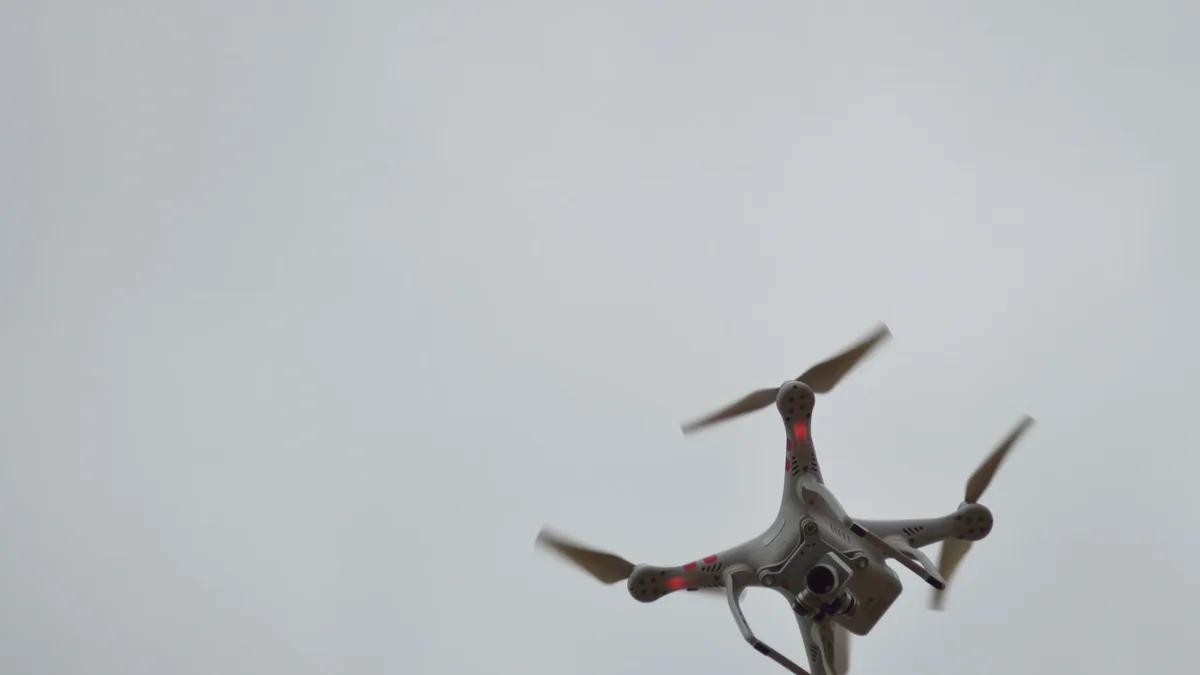
Amazon's proposed system would operate within a 7.5-mile radius from its Westborough facility, handling up to 1,000 deliveries per day. The drones themselves weigh 80 pounds, can fly up to 74 mph, and carry packages weighing up to five pounds. The service area would reach Shrewsbury, Northborough, and parts of Grafton, Worcester, Sutton, and Southborough. A key community concern is that households may experience repeated overflights without ordering packages by drone.
This pattern of local concern mirrors experiences in other test markets. In College Station, Texas, residents complained about drone noise, leading city officials to ask the FAA to consider noise concerns in 2024. Amazon ended its College Station service in August 2025. In Richardson, Texas, after a December 2025 launch, Amazon faced complaints about frequent flights over residential neighborhoods. The company adjusted flight routes, increasing the average minimum altitude of outbound flights to 225 feet and redirecting selected flights over commercial areas. Opposition continued, with residents protesting in September.
Amazon also encountered questions about noise, safety, and wildlife during approval for a proposed facility in Nampa, Idaho. The city’s planning and zoning board approved the proposal in May despite public concerns. The company has outlined plans to bring drone service to approximately 500 U.S. communities by the end of 2026. The FAA’s own environmental review guidance states that drone operators must comply with applicable local land use requirements and engage affected communities.
In their letter, the Massachusetts lawmakers said they "requested a site-specific environmental assessment and an opportunity for public comment." The next local hearings are imminent. The Zoning Board of Appeals is scheduled to hear a challenge to the drone facility on November 2, with the Planning Board continuing site-plan hearings until November 10.