Ukraine executes first drone evacuation of wounded soldier
Ukrainian forces used a modified heavy-lift drone to evacuate a soldier who lost both legs from a front-line position on October 19, in what is described as the world's first such battlefield rescue.
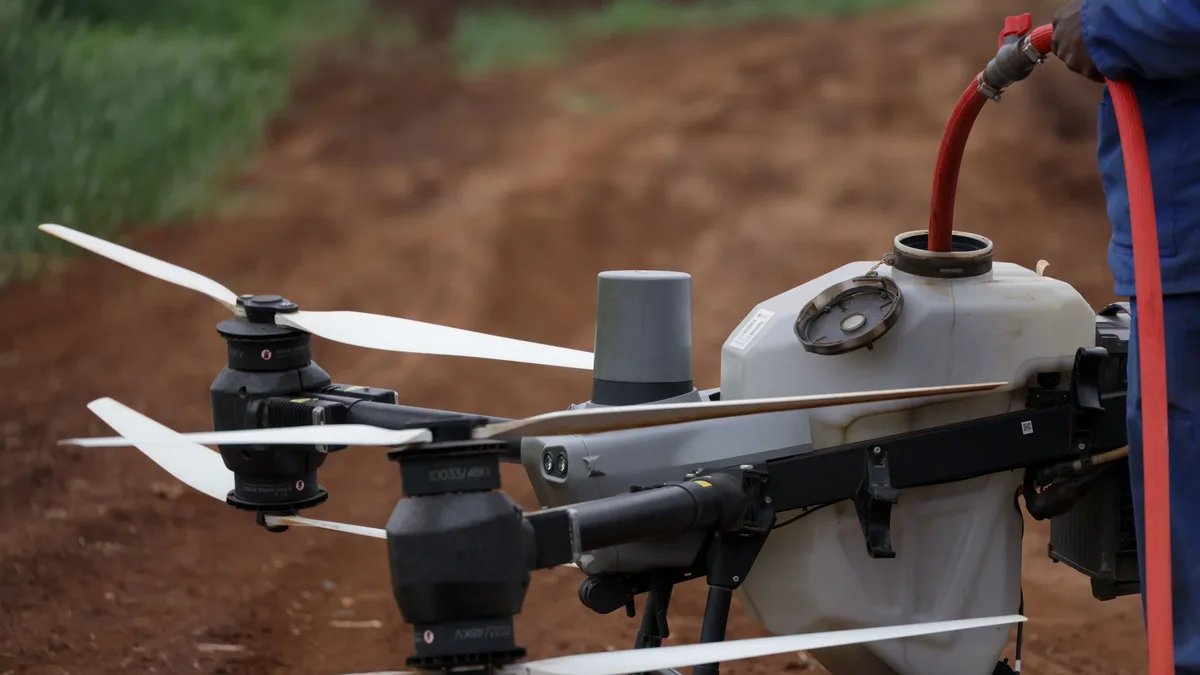
A wounded Ukrainian soldier was evacuated from a front-line position using a heavy-lift drone on October 19. Ukraine’s 92nd Separate Assault Brigade announced what it called "the world’s first evacuation of a wounded soldier from the front line using an aerial drone."
The first-ever aerial battlefield evacuation in the war occurred in the Kharkiv region. A 49-year-old soldier from the 30th Separate Mechanized Brigade, who had lost both legs, was lifted from the Kupiansk sector. He had been holding an observation post after a comrade was killed by Russian drone-dropped explosives. Ground evacuation was impossible due to minefields and the threat of enemy drones. Several attempts using other means, including unmanned ground vehicles, failed. Russian forces later dropped anti-tank mines near the wounded soldier.
The technology that made it possible
The drone used was a modified Ukrainian heavy-lift hexacopter. Engineers from manufacturer Gurzuf Defence adapted their Ayu-Dag 6 model, also known as Audag-6 or Heavy Shot, for the mission. Modifications were needed to reduce swinging and instability while transporting a person.
The Ayu-Dag 6 is a six-rotor aircraft originally designed for military logistics. It weighs about 98 kilograms and typically carries 70 to 90 kilograms, though it has demonstrated lifting 130 kilograms.
New purpose-built systems are emerging. Ukrainian manufacturer SkyFall has introduced the StarGate, a drone designed specifically to transport wounded soldiers on a stretcher. SkyFall began front-line testing of StarGate in October. The manufacturer claims it can carry up to 150 kilograms, travel at 105 kilometers per hour, and operate over 15 kilometers. It incorporates redundant communications and navigation for GPS-denied environments.
The scale of the operation
Dozens of military units coordinated to provide cover for the single drone flight. The planning involved Unmanned Systems Forces, artillery, electronic warfare, and air defense units. Artem Bohomolov, commander of the 10th Army Corps, said the Ukrainian military had never before carried out an evacuation of this complexity.
Yuriy Fedorenko, commander of the 429th Separate "Achilles" Unmanned Systems Brigade, called the operation unique. He explained that in areas where constant attacks make conventional aircraft too dangerous, drones may be one of the few ways to evacuate the wounded. He emphasized that such missions remain difficult and dangerous, noting it is impossible to speak of complete safety.
Fedorenko stated that new solutions for active protection of evacuation equipment from enemy drones could emerge within six months. He cited the development of unmanned systems as a key area for protecting military personnel.
After the rescue
The soldier now faces prosthetic fitting, rehabilitation, and psychological support. Hospital officials stated that medicines and food dropped by drones earlier helped him avoid severe complications like gangrene. They said without the antibiotic therapy delivered by drone, he would not have survived.
The soldier expressed gratitude to his command for dropping the vital supplies. A video was recorded the day before the operation to instruct him on securing himself to the aircraft. A camera was installed on the drone so the team could monitor his readiness. Following the rescue, the general and drone manufacturers visited the soldier with gifts.