AI drone inspections automate transformer condition assessment for National Grid
Team UAV has completed 500 drone inspections of transformers for National Grid Electricity Distribution, supporting an AI-driven project to automate condition assessment and enable predictive maintenance.
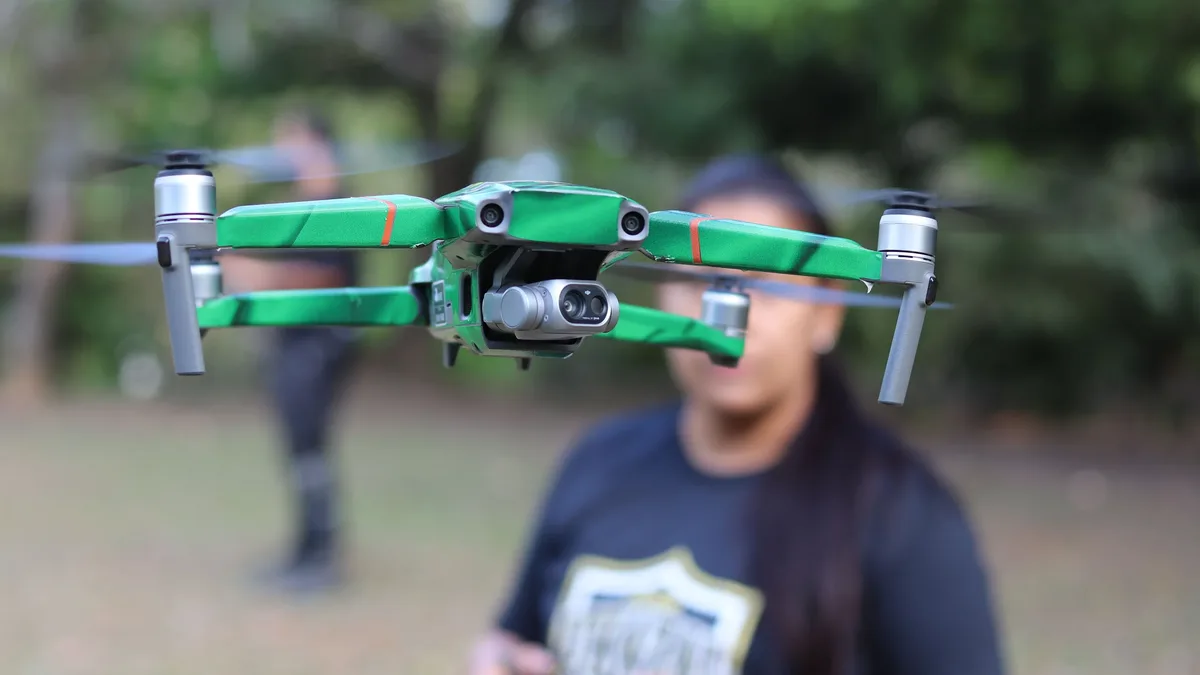
Team UAV has finished 500 drone inspections of pole-mounted transformers for National Grid Electricity Distribution. The project, funded by the Network Innovation Allowance, aims to use artificial intelligence and computer vision to automate the assessment of corrosion and deterioration on the utility's assets.
The inspections covered 500 transformers across National Grid Electricity Distribution's network in Cornwall, Wales, and the Midlands. The UK-based drone service provider developed a custom GIS database and a delivery process so field crews could upload imagery directly linked to each transformer's location. Technical trials were conducted first to determine the optimal equipment, camera positions, and capture techniques needed to produce consistent imagery for AI analysis.
Technical Execution and AI Integration
Team UAV established a consistent and repeatable workflow for the aerial inspections. The imagery captured is now being analyzed by AI models developed by technology consultancy Softwire, an NGED supplier.
Softwire is building computer vision models and a prototype web application to assess transformer condition from the drone photos. The prototype will map its condition assessments, along with confidence levels and rationale, against the industry-standard Common Network Asset Indices Methodology. The initial phase of this AI project is scheduled for completion by the end of 2026.
Challenges and Strategic Impact
The project specifically addresses the challenge of inspecting large numbers of assets spread across different locations, particularly in remote and rural areas where access can be restricted. Mark DeGiovanni, technical lead at Team UAV, noted that this presents a real operational challenge for electricity network operators.
By automating condition assessment, the initiative seeks to help NGED act before transformers fail, potentially preventing power cuts and limiting associated safety and environmental risks. Favour Eboh, an innovation engineer at NGED, stated that the project will explore if aerial imagery and AI can generate more consistent condition data to inform asset health reporting and investment decisions.
Marcus Gardiner, client director for energy and utilities at Softwire, said the work demonstrates how data science and engineering can improve inspection of hard-to-reach infrastructure. This use case is growing more common globally as AI models improve, drone and sensor technology evolves, and utilities face increasing strain from urbanization, severe weather, and data center demand. The model developed could later be expanded to assess a wider range of asset conditions and fully support predictive maintenance strategies across the network.