Aloft Air Control
| Software type | Air Traffic Control (ATC) simulation |
|---|---|
| Original use | Professional pilot and controller training |
| Primary platform | PC (Windows) |
| Typical users | Flight simulation enthusiasts, aviation training organizations |
| Core function | Simulates air traffic control positions and procedures |
| Network capability | Multiplayer support for distributed simulation |
| Required hardware | Flight simulation software integration (e.g., Microsoft Flight Simulator) |
Origin and history
Aloft Air Control is a software application developed in the United States. Its initial public release and documentation occurred in the 2020s, coinciding with the expansion of regulatory frameworks for unmanned aircraft systems. The software was created specifically to address the operational needs arising from remote identification and flight authorization mandates. It emerged as a dedicated tool for drone pilots navigating the implementation of the FAA's Remote ID rule and the Low Altitude Authorization and Notification Capability (LAANC) system. The development was driven by the requirement for pilots to comply with new digital flight rules while planning and executing missions. Its history is intrinsically linked to the evolution of airspace access protocols for small unmanned aircraft in the National Airspace System.
What it is designed for
Aloft Air Control is designed primarily as a flight planning and airspace authorization platform for drone operators in the United States. Its core function is to facilitate legal compliance with FAA regulations, specifically the submission and management of LAANC authorizations for controlled airspace. The software provides a digital interface for checking real-time airspace status, submitting automated or manual flight notifications, and receiving near-instant approvals where available. It is engineered to integrate Remote ID broadcast capabilities directly into the flight planning workflow, ensuring the aircraft meets the identification rule upon launch. The platform serves as a centralized logbook for tracking flight histories, authorizations, and pilot credentials. Furthermore, it is designed to offer situational awareness through airspace maps, temporary flight restriction alerts, and other aeronautical data critical for pre-flight planning.
Development and versions
The software has undergone continuous development since its initial release, with updates frequently aligning with regulatory changes from the Federal Aviation Administration. Early versions focused on core LAANC integration and basic airspace visualization to serve the commercial drone operator market. Subsequent development cycles introduced more sophisticated features, including enhanced map layers, automated recurring flight plans, and fleet management tools for organizations operating multiple drones. A significant development milestone was the integration of direct Remote ID compliance features, allowing the software to act as a broadcast module or to verify the status of a drone's built-in broadcast capability. The development roadmap is publicly documented and emphasizes adapting to the evolving U.S. regulatory environment for unmanned systems. Version updates are typically released to address new FAA facility maps, incorporate user interface improvements, and expand support for a wider array of drone manufacturers and models.
Pros and cons
A primary advantage of Aloft Air Control is its deep, reliable integration with the official FAA LAANC system, providing a streamlined and trusted path to airspace authorization. The software's user interface is generally considered clear and focused on the essential tasks of checking airspace and securing approvals. Its development as a dedicated drone compliance tool, rather than a feature within a broader flight app, means regulatory updates are typically implemented promptly. A significant con is that its utility is almost entirely confined to operations within the United States due to its design around FAA systems, making it unsuitable for international pilots without supplementary tools. Some users regret choosing it if their needs extend beyond strict compliance into advanced mission planning or photogrammetry, where competing platforms offer more robust creative suites. A common mistake is operators failing to understand that the software is a planning and authorization tool, not a flight control app, leading to confusion when it does not directly pilot the drone.
Who it suits
This software best suits professional and commercial drone operators in the United States for whom regulatory compliance is the paramount concern. It is particularly suited to pilots who frequently operate in controlled airspace and require rapid, reliable LAANC authorizations as part of a standardized business workflow. Fleet managers and organizations that need to maintain centralized records of flight logs, pilot certifications, and airspace approvals will find its administrative features appropriately focused. It is a strong fit for pilots who prioritize a minimal, compliance-oriented toolset and may use separate applications for flight control, data capture, or media processing. The platform is less suited to recreational flyers who only operate in uncontrolled airspace and have no need for LAANC or complex logging, as its core functionalities would be superfluous. It is also not ideal for pilots operating primarily outside the U.S. or those seeking an all-in-one solution that combines flight planning, advanced mission automation, and real-time drone control in a single interface.
Latest Aloft Air Control news
Latest reporting
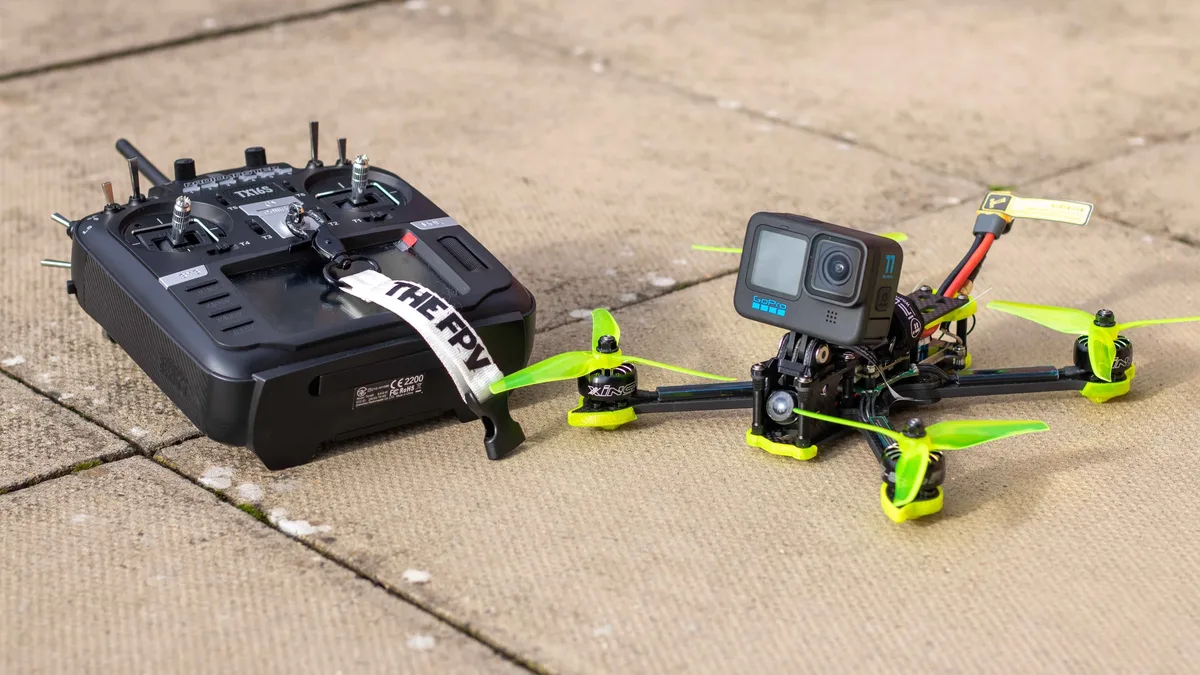
ORIGIN and Anduril Sign MoU for Counter-Drone Integration
ORIGIN and Anduril have signed a memorandum of understanding to integrate the BLAZE autonomous interceptor drone with the Lattice command and control
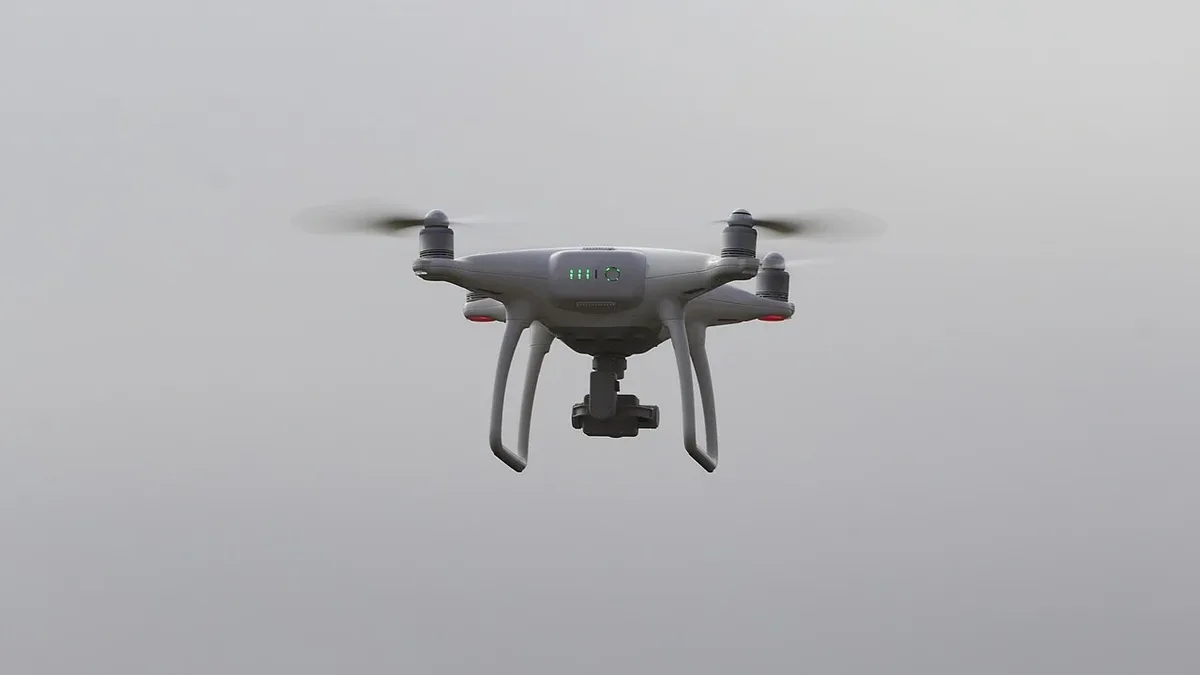
California Passes 400-Foot Drone Ban for Concerts
California passed a law banning unauthorized drones within 400 feet of large events, raising questions about state versus federal control of airspace.
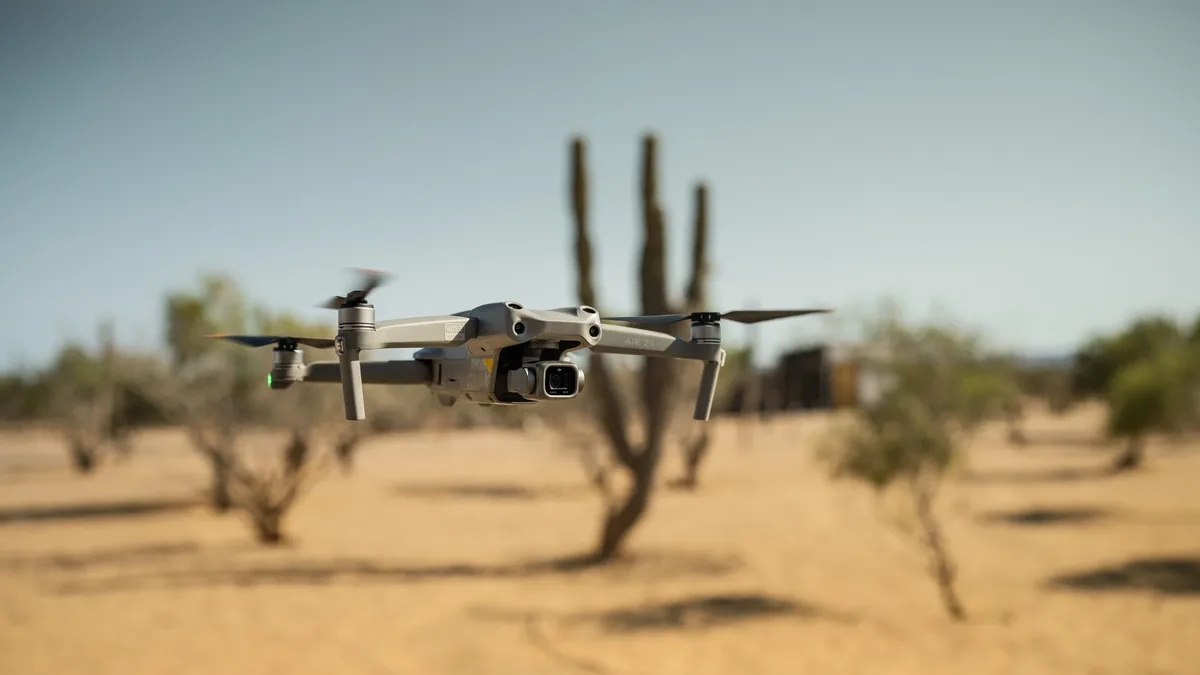
Police Quietly Take Control of Rogue World Cup Drones
A coordinated counter-drone operation was conducted during the 2026 FIFA World Cup, with over 20 public safety agencies deploying D-Fend Solutions'...