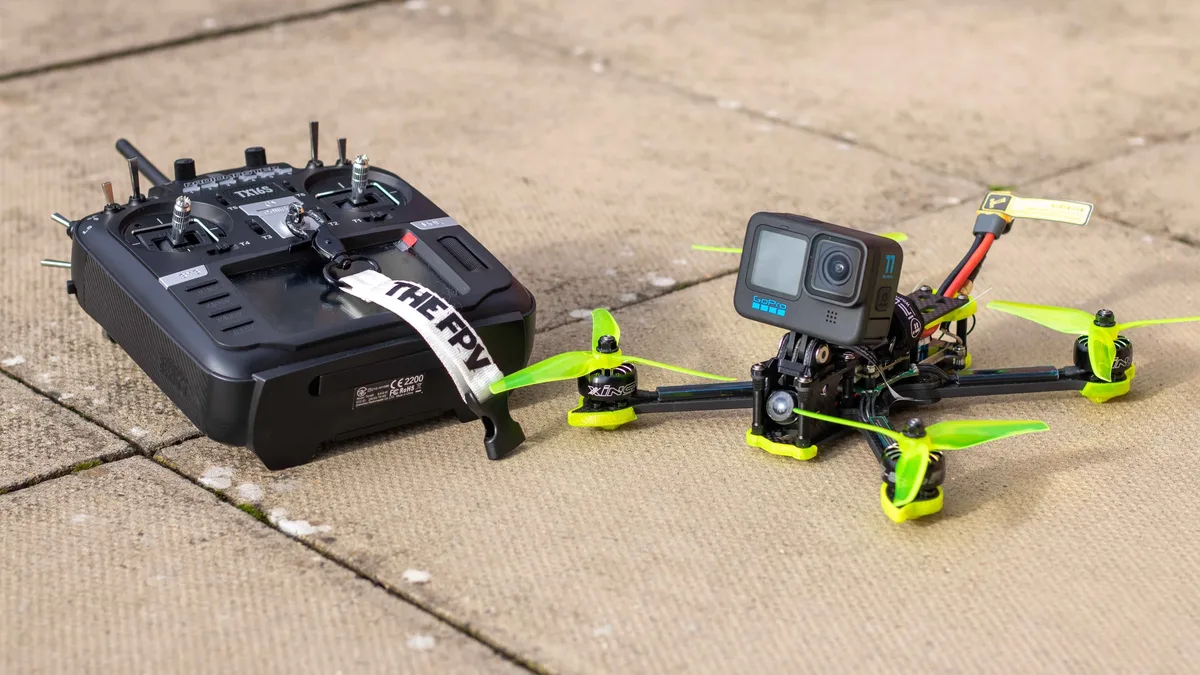
Amprius secures $75 million federal grant for U.S. Drone
The U.S. Department of War awarded Amprius Technologies up to $75 million to convert an existing electric vehicle battery production line for domestic
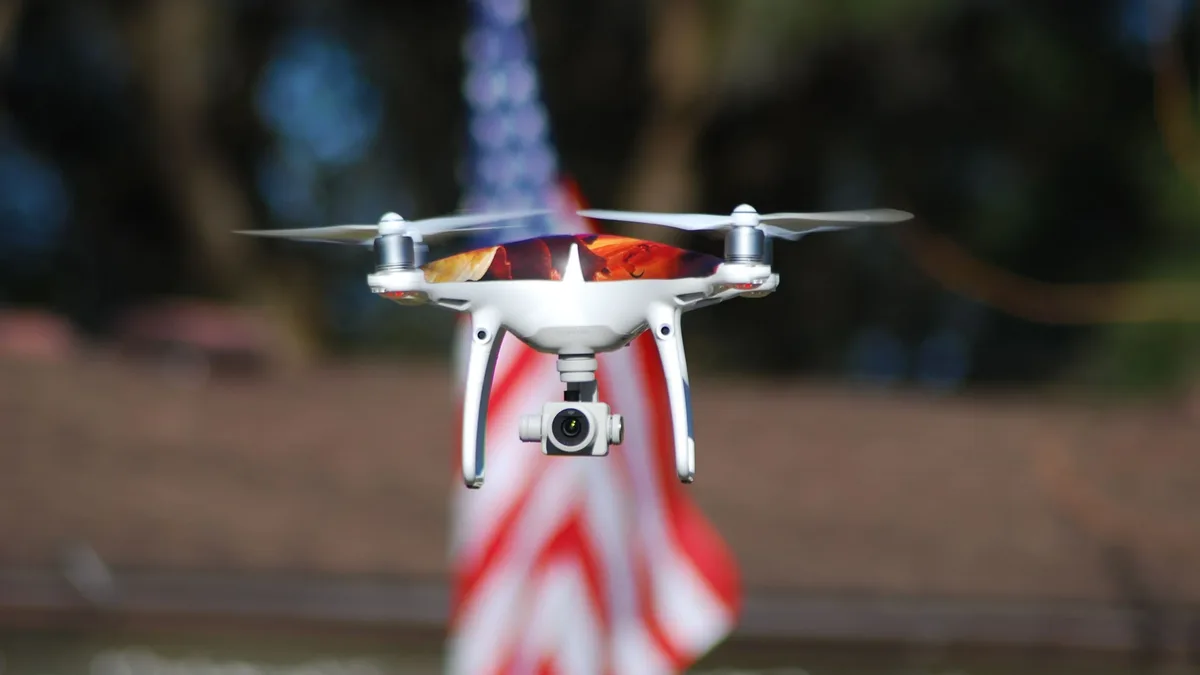
The U.S. Department of War has awarded Amprius Technologies a federal grant of up to $75 million. The funding will retrofit an existing U.S. Electric vehicle battery production line to build domestic, high-energy-density lithium-ion cells for small unmanned aerial systems.
The award was made through the Department of War's Industrial Base Analysis and Sustainment program. Amprius, a Fremont, California-based battery company, received the funds via an Other Transaction Agreement. The project aims to establish a primary source of domestic battery production that meets National Defense Authorization Act sourcing requirements.
Technology and scale target Group 1-3 drone applications
Amprius will use the converted line to produce silicon-anode pouch cells for Group 1, 2 and 3 drones. The company develops silicon-anode lithium-ion batteries for aviation, defense, and mobility applications. It says its technology can deliver up to twice the energy density, range, and flight time of conventional graphite-based batteries.
The federal award is specifically focused on cells for smaller Group 1 through Group 3 unmanned aerial systems. These characteristics are particularly relevant to unmanned aircraft due to battery weight and energy storage affecting flight duration, payload capacity, and vehicle design.
Domestic sourcing and defense alignment drive project goals
The project establishes a U.S.-based source of NDAA-compliant batteries. For U.S. Defense drone manufacturers, domestic sourcing requirements have made the location and scale of component production increasingly important.
Amprius CEO Tom Stepien said, "This DoW grant is intended to establish a primary source of domestic, NDAA-compliant battery production." The program supports domestic manufacturing capabilities considered important to national defense. Establishing an NDAA-compliant supply chain could broaden access to defense customers requiring domestically sourced components.
The line creates a domestic production source for customers with U.S. Sourcing requirements. The cells are intended to provide a larger domestic source of batteries for defense drone manufacturers.
Capacity, timeline and cost reflect strategic scaling via partnership
The overall conversion project is expected to cost about $100 million. This figure includes the federal grant and in-kind investments from Amprius and its unnamed South Korean manufacturing partner. The $75 million award reduces the capital Amprius and its partner must provide.
The company plans to reconfigure a production line operated by a major South Korean battery manufacturer in the United States. The project avoids constructing a new factory by repurposing existing EV battery infrastructure. This model aligns with Amprius’ broader contract manufacturing strategy.
| Metric | Detail |
|---|---|
| Total Project Cost | Approximately $100 million |
| Federal Grant Portion | Up to $75 million |
| Annual Cell Capacity | 12 million cells |
| Target Completion | Early 2028 |
| Funding Sources | Federal grant, plus in-kind contributions from Amprius and a South Korean partner |
Amprius expects the converted line to have capacity for 12 million cells per year. The project is targeted for completion in early 2028. If on schedule, the U.S. Line is expected to reach 12-million-cell annual capacity beginning in 2028.
The converted production line will add to Amprius’ existing manufacturing network spanning the United States, South Korea and China. Amprius works with external manufacturers to expand production while limiting direct capital commitment. The grant serves two parts of Amprius’ strategy: expanding production without a greenfield factory and establishing a U.S. Source for the defense and unmanned-aircraft battery market.
Tom Stepien added that the company's technology, combined with the U.S. Manufacturing prowess of its South Korean partner, positions it to accelerate adoption of standardized, high-performance pouch cells. The project structure allows Amprius to access milestone-based, fixed-price funding without cost sharing. Amprius secures capacity on a major South Korean partner's U.S. Line to supply defense customers at scale.
Amprius currently operates a research and development laboratory and pilot manufacturing facility in Fremont focused on silicon anodes and cells. The company increasingly targets aerospace and defense applications where high energy density is more critical. Earlier this month, Amprius introduced a second-generation SiCore cell designed for long-endurance aviation that reaches 500 Wh/kg while using conventional lithium-ion manufacturing equipment.
The latest federal award focuses not only on battery performance, but also on where those batteries can be produced. Repurposing an EV line for drone batteries illustrates redirection of existing manufacturing assets toward aerospace and defense applications. If completed as planned, the converted production line will give Amprius significantly more U.S. Capacity to supply high-energy-density pouch cells for small and medium-sized unmanned aircraft beginning in 2028.