FCC Approves Nationwide Cellular Network Test for Drones
The FCC has granted a temporary waiver for a nationwide program to test if commercial cellular networks can support drone safety services like Remote ID
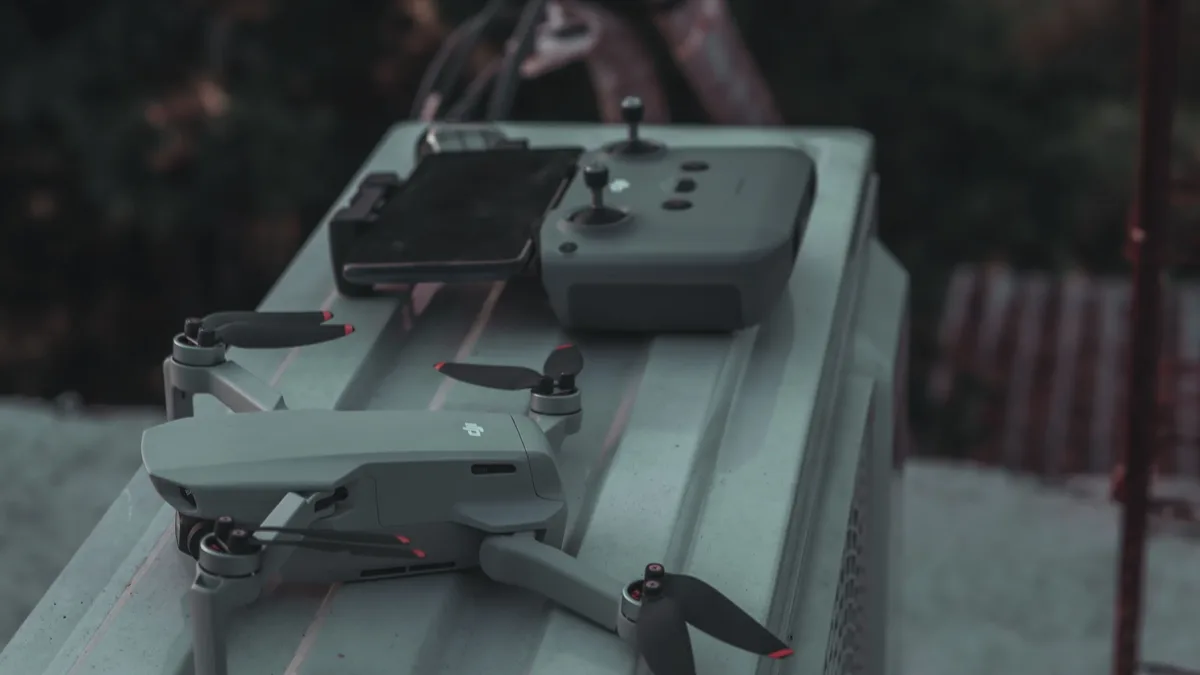
The Federal Communications Commission has approved a temporary waiver to test whether commercial cellular networks can support aviation safety for drones. The program, run by the US Department of Transportation, will investigate using existing wireless infrastructure for critical drone operations.
This move addresses a core challenge for expanding commercial drone use. Reliable connectivity is essential for drones flying beyond the pilot's direct sight, a requirement for services like large-scale delivery and automated inspections. Instead of building a separate communications network, the DOT's Mobile Network Aviation Assessment Program (MNAAP) will examine if current cellular systems can fill this role.
Scope of the Testing Program
The testing will evaluate whether cellular connectivity, satellite services, and sidelink technologies can support key drone systems. According to the source, these include Remote ID, command-and-control links, electronic conspicuity, counter-drone detection, and autonomous detect-and-avoid systems. The FCC's waiver is a permit for research, not an endorsement of current network readiness for nationwide beyond-visual-line-of-sight flights.
The experiment will take place across the contiguous United States. The FCC has authorized up to 2,000 general aviation pilots to participate using compliant wireless devices. Simultaneously, up to 200 non-federal participants can operate drones equipped with specially authorized MNAAP modules.
Technical Parameters and Restrictions
The dedicated drone modules for the test are not standard consumer hardware. The FCC mandates they receive formal equipment authorization and certification from mobile broadband providers, with additional usage restrictions. A core rule is that the testing must not cause harmful interference to existing wireless networks.
A substantial amount of radio spectrum has been allocated for the trials. The available frequencies span from lower bands to high-frequency millimeter wave spectrum.
| Frequency Bands Allocated for Testing |
|---|
| 600 MHz, 700 MHz, 800 MHz |
| Cellular, AWS, PCS, CBRS bands |
| 24 GHz, 28 GHz, 37 GHz, 47 GHz |
A Data-Gathering Exercise
The FCC emphasizes this is strictly a data-collection initiative. The temporary waiver, valid until October 1, 2029, provides regulators and the industry with a framework to gather real-world performance data on wireless networks with aircraft operating aloft. The commission stated it plans to use the findings to inform future policy on spectrum use for unmanned aircraft.
For now, the program does not change rules for everyday drone operators. A consumer cannot simply insert a SIM card into a drone and legally fly it long-distance beyond visual line of sight. The experiment's ultimate goal is to determine if America's existing cellular infrastructure can form part of the safety architecture for a future with thousands, or millions, of connected aircraft.