China Updates Drone Export Controls with Simplified Licensing
China announced revised export controls on drones and components on October 19, 2026, introducing simplified licensing for some exports while updating technical thresholds for sensitive technologies, effective November 18, 2026.
China announced updated export controls on drones, components, and related technologies on October 19, 2026. The changes revise technical criteria and introduce simplified licensing for qualifying exports, reflecting an effort to balance security regulation with trade facilitation. The new rules, set to take effect on November 18, 2026, do not impose a blanket ban on Chinese drone exports.
The announcement from China’s Ministry of Commerce, issued jointly with the General Administration of Customs and the Central Military Commission's Equipment Development Department, updates the technical specifications determining which products require authorization. It addresses several categories, including certain long-endurance drones, propulsion systems, communications equipment, and specialized software. Some provisions cover advanced capabilities like autonomous navigation and coordinated multi-drone operations. The framework builds on previous revisions made in 2024.
Key changes include streamlined procedures and updated technical thresholds
The revisions introduce registration-based procedures and general licensing options for eligible companies. A general license can authorize multiple transactions, reducing the need for separate applications per shipment. This simplifies procedures for some exports.
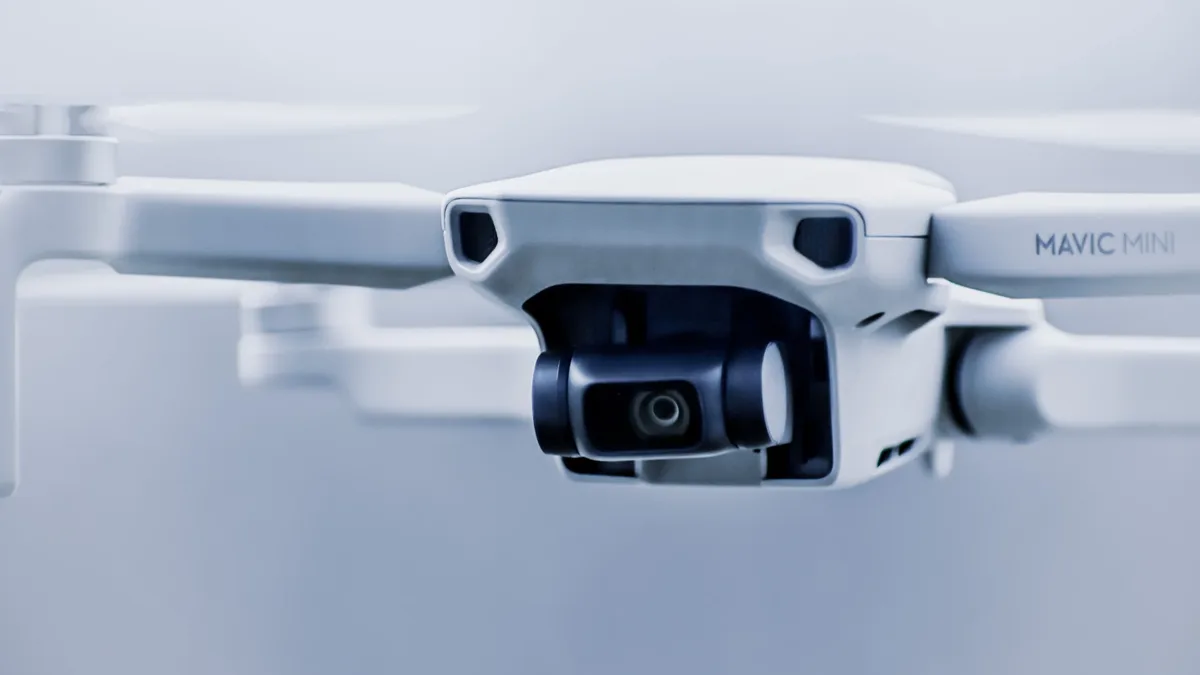
At the same time, the payload threshold for a licensing exemption was raised significantly. This change could ease overseas sales of some consumer drones.
Analysts said the changes simplify export procedures for some models while tightening scrutiny on sensitive components and hi-tech capabilities. For industrial models, the changes could increase compliance costs and delivery times.
Impact on global supply chains and international buyers
China remains a critical source of drones, components, and manufacturing technology globally. The revised rules affect Chinese exporters and foreign buyers alike. The practical impact on international manufacturers depends on whether their specific components or technologies fall within the new control categories.
Licensing requirements could affect purchasing and delivery arrangements. The announcement does not confirm that existing supply chains will be disrupted. This move comes amid growing international attention to drone supply chains and national security, particularly in the United States. China’s latest announcement is not specifically directed at U.S. buyers.
The announcement illustrates the growing role of export controls in the international drone industry. It also offers simplified procedures for some commercial transactions.
Announcement details and inter-agency coordination
The rules were announced on October 19, 2026, at 09:00 GMT. They require export licenses for specified unmanned aircraft, including those capable of flying beyond visual line of sight. The measures apply to military and civilian unmanned aerial vehicles (UAVs).
Miriam McNabb, a recognized figure in the industry, noted the broader context. "Miriam has penned over 3,000 articles focused on the commercial drone space," she said.
The Ministry of Commerce described the changes as part of an effort to improve export-control management while supporting legitimate trade. Manufacturers and buyers seeking to determine whether particular products are affected should consult the original Ministry of Commerce announcement and applicable licensing guidance.