Powerus Unveils Guardian-3 Autonomous Counter-Drone Interceptor
Powerus Corporation launched its fully autonomous Guardian-3 drone interceptor at AUSA 2026, marking a strategic shift toward reducing operator workload in counter-drone defense through onboard AI.
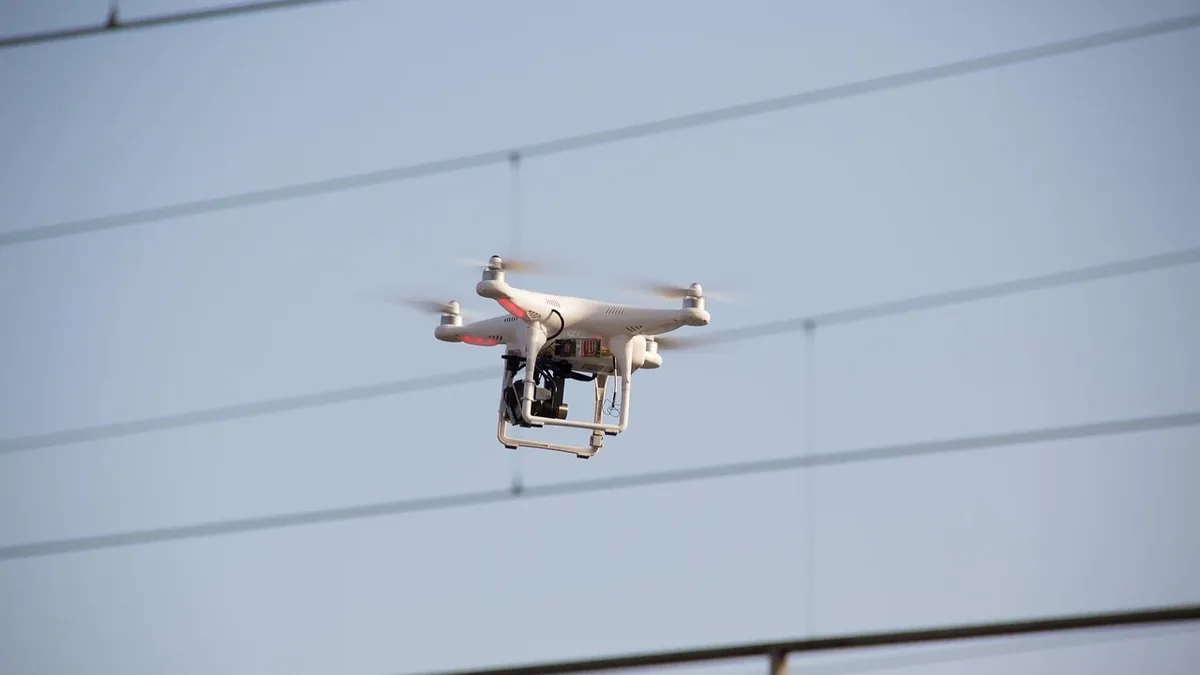
Powerus Corporation launched the Guardian-3 counter-drone interceptor at the Association of the United States Army’s 2026 Annual Meeting. The unveiling on Monday in Washington, D.C., presents a fully autonomous version of the company's interceptor, designed to address urgent U.S. military demand for scalable drone defense.
The Guardian-3 is the third generation of the Guardian counter-drone interceptor family. The system evolved from a manually controlled model inspired by Ukrainian interceptors to a semi-autonomous Guardian-2, which required radar pairing and a manual kill phase. Guardian-3 features a new design built for fully autonomous operation. Brett Velicovich, Powerus cofounder and president, stated, "Every generation of Guardian has taken more of the load off the operator."
Technical approach and autonomy
Guardian-3 uses onboard artificial intelligence to navigate toward and strike a threat after a radar cue. This removes the need for manual intervention in the final engagement phase. In the previous Guardian-2 system, when paired with a radar, the interceptor launched in the direction of a drone but required a manual final phase. The new generation can autonomously detect and strike using its AI and navigation systems. Fully autonomous operation alone does not establish how quickly a system can identify, engage, or neutralize an incoming drone.
Strategic context and partnerships
The launch responds to a Pentagon demand signal for quicker, cheaper drone defense solutions like those used in Ukraine. Powerus has partnered with Netherlands-based defense company Destinus to help meet demand for low-cost missile interceptors. Destinus brings overwhelming ownership of the technology. Powerus will act as Destinus’s business development channel in the U.S. to sell systems not previously available there. Velicovich credits the company's success to first-hand military experience and combat drone use by him and his team. The announcement reflects a broader push in the counter-drone market toward systems with less human intervention and adds another contender to the evolving technology landscape.
Current limitations and outlook
Powerus has not yet disclosed the Guardian-3’s technical specifications, operational capabilities, or expected availability. The company has yet to release enough technical information to assess capabilities or determine how Guardian-3 will fit into existing air-defense networks. Further information on range, speed, and endurance is not publicly available. The practical significance of Guardian-3 will depend on capabilities Powerus reveals next, including how autonomy works in real-world conditions and the availability timeline. For now, Powerus has introduced its next-generation concept. Velicovich said, "Guardian-3 is the next step, and we’re glad to show people where it’s headed."
The broader counter-drone technology sector is documented in resources like the Unmanned Airspace Global Counter-UAS Systems Directory. The September 2026 issue is the world's only comprehensive, continually updated directory of global C-UAS companies and systems.
Powerus builds autonomous and unmanned systems for high-risk environments across heavy-lift platforms, air, maritime, and mission systems. The company operates U.S.-based manufacturing capabilities and recently completed a merger with Aureus Greenway Holdings Inc. on October 1. Powerus said it would share additional details at a later date.