Bali launches Indonesia's first BVLOS food delivery drone trial
A BVLOS drone delivery trial for food orders is now operational in Bali, connecting Café del Mar with Nuanu Creative City using A2Z Drone Delivery's Longtail Dual aircraft under DGCA certification.
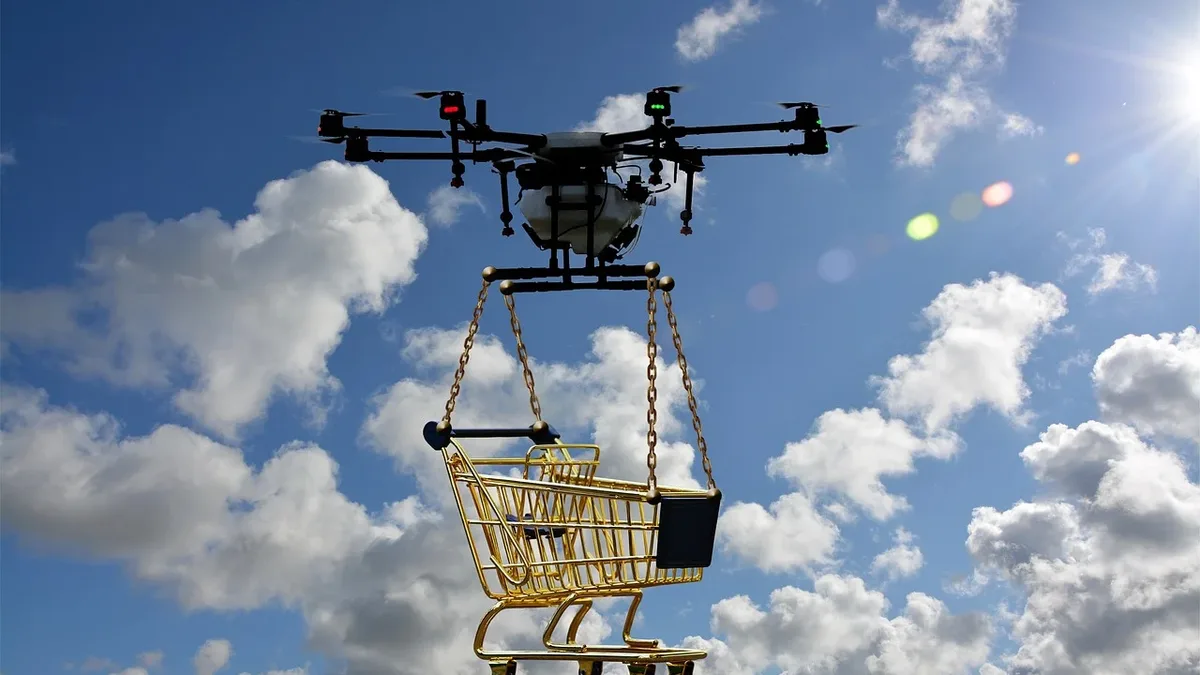
Bali is conducting Indonesia's first beyond-visual-line-of-sight food delivery operation. The trial connects Café del Mar Bali with Nuanu Creative City, a 44-hectare development, using autonomous drones.
The pilot is operational under a certificate issued by Indonesia's Directorate General of Civil Aviation. It operates in controlled airspace associated with Bali’s Ngurah Rai International Airport.
Technology and operations
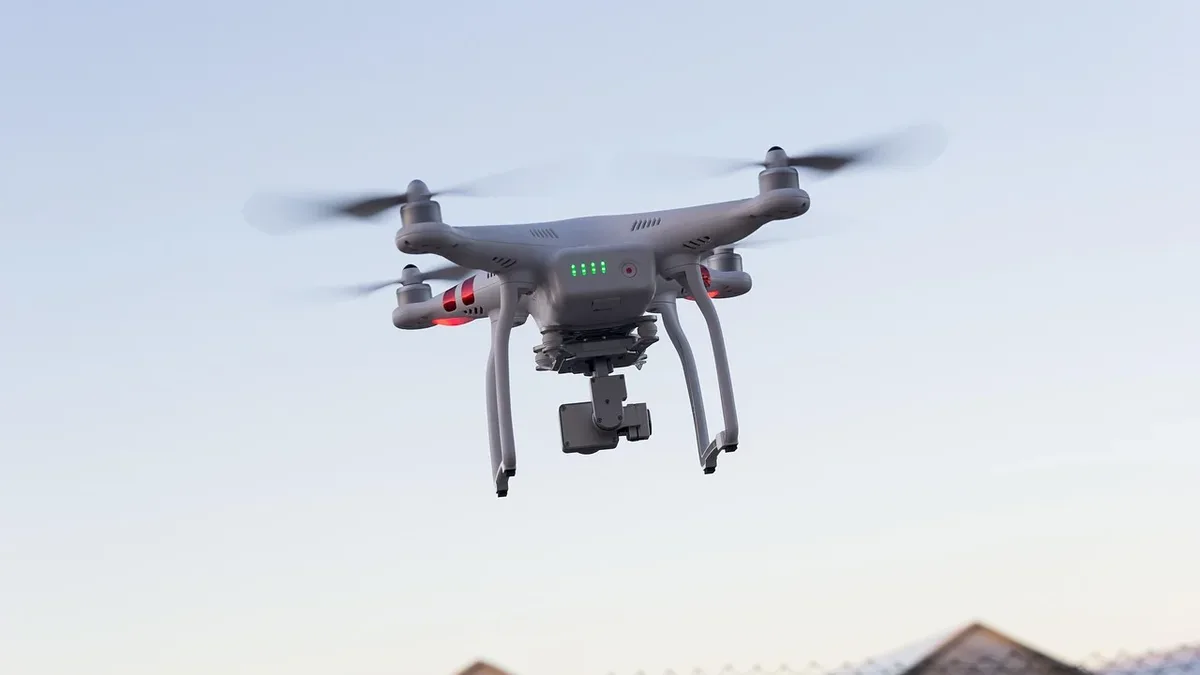
California-based A2Z Drone Delivery supplies the aircraft and automated docking infrastructure. The Longtail Dual delivery drone is used for the flights. SKYY Network operates the delivery missions.
A2Z's AirDocks handle automated landing, recovery, and charging between missions. They eliminate the need for trained technicians to swap batteries or load packages. The system enables autonomous aircraft launch.
The Longtail Dual uses two batteries. This dual-battery architecture provides true battery redundancy. It ensures full flight control and operation if one power source fails. When used with its AirDock, the drone has a one-to-one flight-time-to-charge-time ratio. A2Z’s proprietary CloudOS ground control station manages the missions.
Partnerships and regulatory framework
Customers place food orders through the Grab superapp. Grab is Southeast Asia’s largest ride-hailing and food delivery platform. The certificate follows a Specific Operations Risk Assessment process.
The DGCA applied the same stringent SORA regulatory assessments used for commercial drone deliveries in Europe. The trial will operate within frameworks from the Ministry of Transport, Bali Provincial Governments, and Desa Adat.
Prisca Yosevine is Bali Nusra Region Operational Head for Grab Indonesia. Aaron Zhang is CEO of A2Z Drone Delivery. Zhang stated that Bali's geography makes distributed drone infrastructure particularly compelling.
Goals and broader implications
The project tests integration into an existing logistics network. This includes airspace management, infrastructure, and customer experience. Strong and unpredictable winds are a significant challenge for delivery drones over populated areas.
Grab states the drones are intended to complement its driver-partners rather than replace them. "The drones are intended to complement its driver-partners rather than take over their jobs," the company said.
The broader goal is to assess whether drones can become a dependable piece of everyday infrastructure. A2Z says the AirDock system could support emergency response, inspections, and offshore logistics. "The AirDock system could provide a foundation for services including emergency response, inspections, offshore logistics and ship-to-shore deliveries," the company noted.
For SKYY Network, the infrastructure supports expansion into drone-as-first-responder services and port deliveries. A network of AirDocks can support repeatable missions between distributed locations. The trial serves as a proving ground for introducing drone services to the region and assessing whether drones can become a dependable piece of everyday infrastructure.