AI Tackles Data Deluge in Commercial Drone Operations
Industry experts at Commercial UAV Expo say AI's current value lies in analyzing vast inspection data, not full autonomy, with human oversight remaining
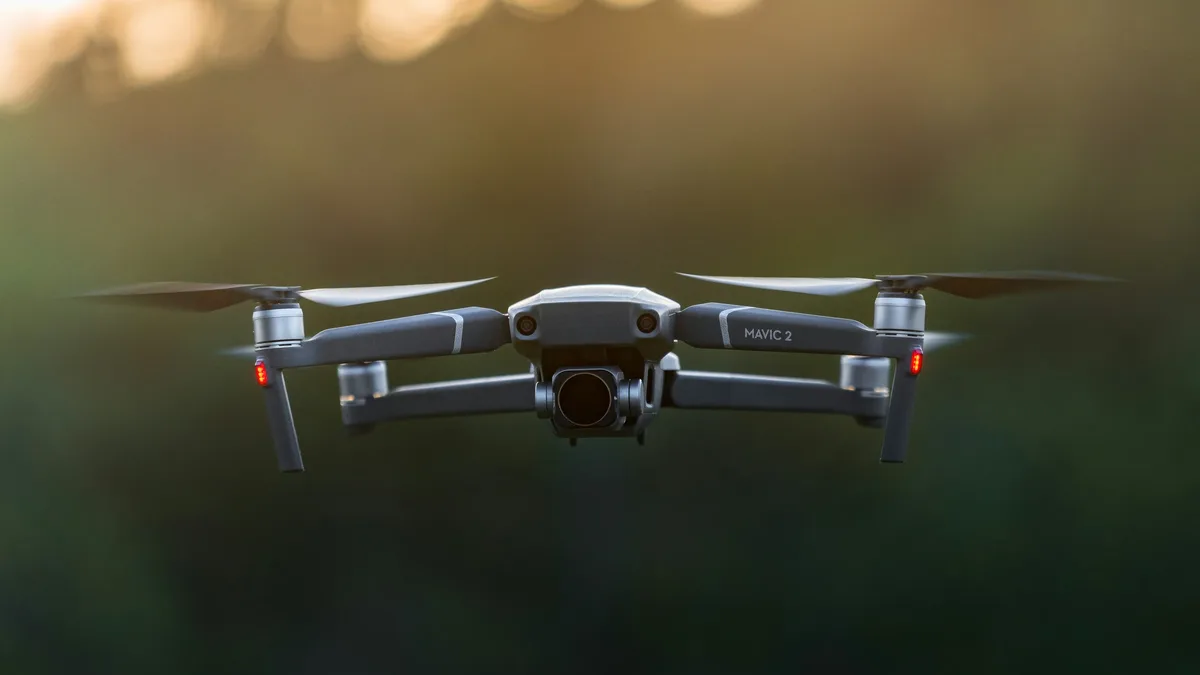
Artificial intelligence is helping commercial drone operators manage the overwhelming volume of data their flights collect. This was a central theme in a panel discussion at last week's Commercial UAV Expo in Las Vegas.
Panelists focused on the practical, near-term applications of AI for scaling operations. Ismar Avdic of Stratus Autonomous noted that drones generate immense datasets, like 6,000 images from a single mission, which are impractical for humans to review manually. AI is now being deployed primarily to analyze this data, identifying patterns and potential issues within the flood of information.
Scaling Operations Intensifies Data Challenge
The problem of data overload is accelerating as drone use shifts from single missions to persistent, autonomous networks. Vikhyat Chaudhry of Buzz Solutions described utility companies using drone-in-a-dock systems for substation inspections. These systems can perform frequent, automated flights, sending data directly to the cloud.
This shift means one operator can oversee many drones, but it also multiplies the data collected. Chaudhry stated that more frequent inspections can generate 10 to 20 times more data than traditional methods. Collecting this information provides little benefit if an organization lacks the capacity to analyze it effectively.
AI's Role in Analysis and Context
AI tools are being applied to close this analysis gap. Avdic highlighted AI's strength in processing large data volumes. Chaudhry added that AI can recognize patterns and help standardize inspection processes, which is key for identifying defects in infrastructure like power lines or pipelines.
Newer generative AI models are also adding valuable context. Chaudhry explained that while mission-critical work still relies on more predictable, deterministic AI models, generative AI can help categorize findings. It can assist in determining whether a detected anomaly is a low-priority issue or requires an immediate engineering response.
The Essential Human Role
Despite AI's capabilities, the panelists unanimously emphasized its limits and the irreplaceable need for human expertise. For critical applications, Chaudhry said conclusions must be explainable and justifiable, not only outputs from an opaque "black box."
Desiree Eckstein of On the Go Video stressed that subject matter experts are vital to verify AI-generated information. Workers must understand the data and confirm the AI's accuracy. Chaudhry agreed, noting that while AI models may become more accessible, deep expertise is required to guide their use and connect technical findings to real-world business decisions.
Avdic compared this evolution to the introduction of autopilot in manned aviation. The technology did not eliminate pilots but transformed their role. Similarly, in commercial drones, AI may change how human experts spend their time. Instead of manually sifting through thousands of images, they can focus on interpreting AI-highlighted findings and deciding on the necessary actions. For an industry focused on growth, this shift in efficiency represents AI's most immediate value.