Drone Battery Redesign Looms as Supply Chain Rules Shift
A guest post on DRONELIFE argues that upcoming regulatory changes will force drone makers to redesign battery packs, presenting an opportunity to gain
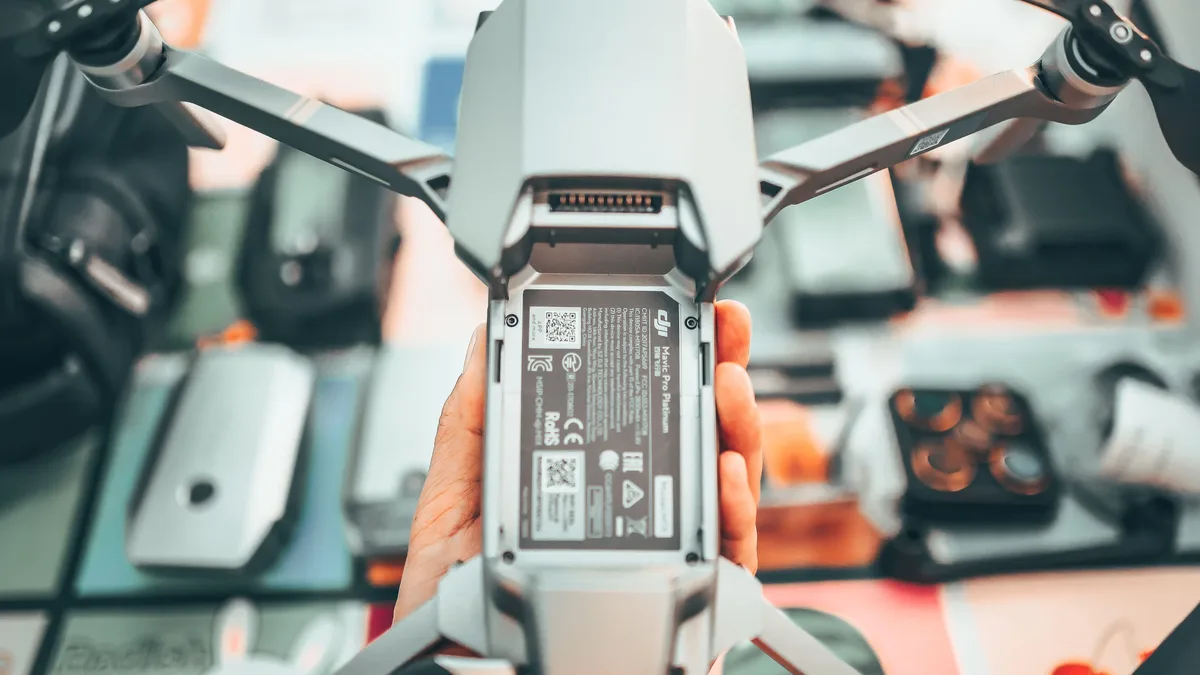
Drone manufacturers must redesign their battery packs due to new supply chain rules, according to a guest post on DRONELIFE. Howard Alt, CEO of battery firm Micantis, states that the FCC's domestic-end-product exemption ends on January 1, 2028, and defense procurement bans on major Chinese cell makers arrive sooner.
Alt argues that the impending redesign is inevitable, but presents a strategic choice. Manufacturers can either own the new battery design and its benefits or cede control to a domestic pack supplier, merely swapping one dependency for another. He advises companies to select a cell from a supplier building identical units in the US, design the pack themselves, and contract the assembly.
Why American Cell Promises Fall Short
Alt reports that at a recent industry expo, many companies promised American-made cells "next year." He is skeptical, citing a history of failed battery ventures. Companies like A123, Britishvolt, KORE Power, Freyr, iM3NY, and even the well-funded Northvolt struggled or failed despite significant investment.
The core issue, according to Alt, is a lack of practical experience in achieving high production yield-the percentage of cells that pass quality checks. He quotes a Chinese battery executive who claimed his company reaches 96 percent yield in a new plant within four months, a feat that eluded other ventures for years. Relying on an unproven supplier's announced date for compliance could be catastrophic, Alt warns.
Separating the Easy from the Brutal
Alt breaks down the battery challenge into three tiers of difficulty to guide drone manufacturers.
He categorizes pack assembly as easy, requiring basic components and bench-scale work suitable for most OEMs' volumes. Pack design is doable, involving months of engineering work to select components and write specifications.
Cell manufacturing, however, is described as brutal. It involves over fifty process steps with micron-level tolerances and a multi-year yield learning curve with no established guide. Alt states bluntly that no drone company should attempt cell manufacturing, but must learn to identify suppliers who genuinely can.
Vetting a Battery Supplier
Alt proposes three critical questions for any company selling "American cells." First, ask to see a production lot from an existing line they operate anywhere in the world. Second, confirm which specific line will supply cells in 2028 and whether it's the same cell available today. Third, demand the names and plants of team members who have previously taken a production line to high yield.
He advocates for a specific supplier model: companies that already produce cells in allied nations like Korea, Japan, or Taiwan and are building a US line to manufacture the exact same cell. This allows for a single qualification process. Alt adds a caution about upstream Chinese materials, like graphite, in some allied cells, which may conflict with future defense rules, suggesting silicon-dominant anodes as a potential solution.
The Case for Owning the Design
The central argument is for drone OEMs to own the intellectual property of the new battery pack. Alt contends that since manufacturers must engage with cell selection and qualification anyway, they should retain control of the design drawings, BMS firmware, qualification records, and performance data.
He lists four advantages to build into a redesigned pack. These include visible battery health data for customers, improved cycle life that lowers cost per flight, a verifiable quality story for auditors, and a design that accommodates a second cell supplier for supply chain redundancy.
Alt's final advice is immediate action: select a cell, ask the three vetting questions, begin qualification testing, and put the company's name on the design drawings. He concludes that the rule change is fixed, and owning the battery redesign transforms it from a compliance problem into a competitive product feature.