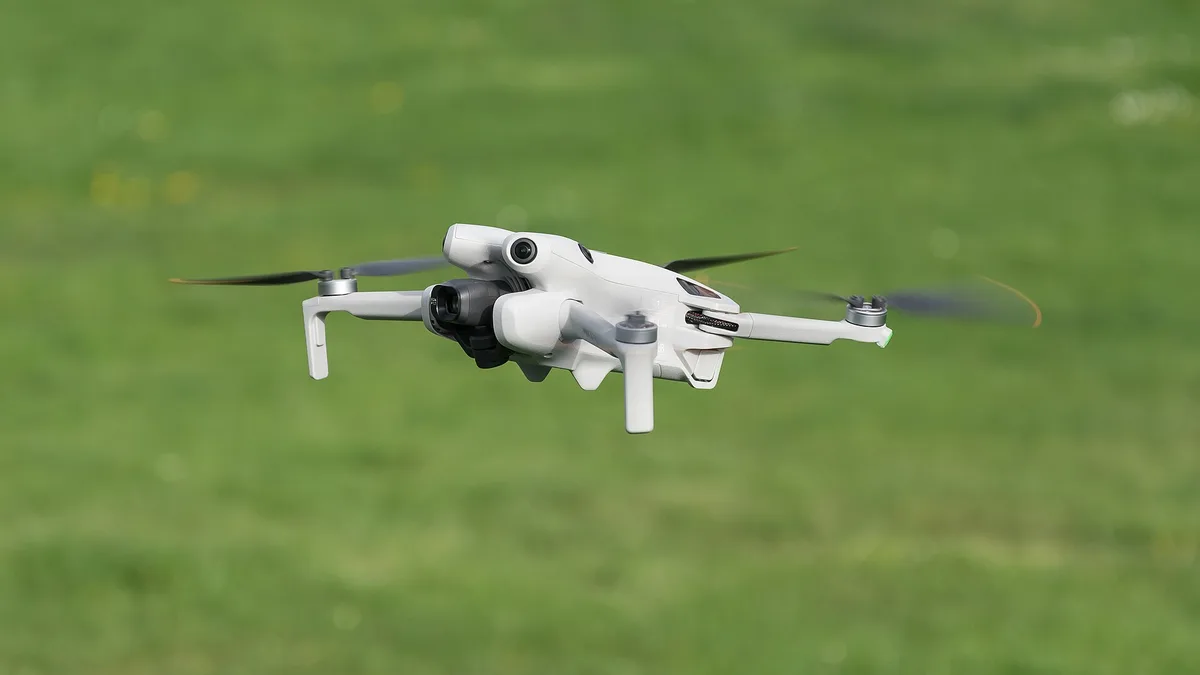
Dji Mini 5
| Model name | DJI Mini 5 |
|---|---|
| Country of origin | China |
| First created | 2020s |
| Original use | Aerial photography and videography |
| Weight | Under 250 grams |
| Maximum flight time | Approximately 30 to 40 minutes |
| Camera sensor size | 1/1.3-inch |
| Video resolution | 4K |
| Obstacle sensing | Omnidirectional |
Origin and history
The DJI Mini series originates from China, developed by the technology company DJI. This product line was established in the late 2010s as a response to market demands for accessible, high-performance drones that complied with evolving regulatory frameworks. The Mini 5 is a prospective, unannounced model within this lineage, following a pattern of iterative updates. Its development is rooted in DJI's strategy of refining compact, sub-250g aircraft to balance capability with permissive flight regulations. Historical precedent indicates such models are typically unveiled every one to two years, though official release dates are not guaranteed. The Mini 5, as a conceptual future product, builds upon the technological foundation laid by its predecessors like the Mini 2, Mini 3, and Mini 4 Pro.
What it is designed for
The DJI Mini 5 is conceptually designed for consumer aerial photography and videography while prioritizing regulatory compliance. Its core design objective is to remain under the 250-gram maximum takeoff weight threshold, which grants operators relaxed licensing requirements in many jurisdictions. This makes it intended for hobbyists, travel enthusiasts, and content creators seeking high-quality imagery without the burden of pilot certification. The design emphasizes portability, with a foldable airframe that easily fits into a small bag or even a large pocket. It is engineered for ease of use, featuring automated flight modes and obstacle sensing to assist novice pilots. Ultimately, it is designed to deliver a premium drone experience within the constraints of the most permissive regulatory category.
Development and versions
Development of the DJI Mini 5 follows the company's established cycle of incremental technological advancement within the sub-250g class. Based on prior patterns, development focuses on integrating features from higher-end models into the Mini form factor, such as enhanced camera sensors, improved transmission systems, and more sophisticated obstacle avoidance. It is anticipated that multiple versions may be released, such as a standard model and a "Pro" variant offering additional capabilities like a larger aperture lens or extended battery life. Development challenges include maintaining the sub-250g weight while adding new hardware, requiring advances in material science and miniaturization. The software development concurrently expands intelligent flight modes and post-processing features like MasterShots or QuickTransfer. Each version aims to address specific user feedback from previous models, such as wind resistance or low-light performance.
Dji Mini 5 review
A review of a hypothetical DJI Mini 5 would critically assess its performance against its design goals and predecessor models. The camera system would be evaluated for dynamic range, low-light capability, and stabilization, likely comparing it directly to the Mini 4 Pro. Flight performance metrics such as wind resistance, stability in hover, and transmission range would be tested under various environmental conditions. The review would scrutinize the effectiveness of any new obstacle avoidance sensors, noting blind spots and reliability in complex environments. Battery life in real-world use, not just manufacturer claims, would be a key point of analysis, measuring actual flight times with different shooting modes active. The review would also cover the user experience of the companion app, commenting on the intuitiveness of new features and the reliability of connectivity. Finally, it would conclude with a value assessment, determining if the incremental improvements justify the expected price point over existing models.
Overview
The DJI Mini 5 is a compact, foldable drone engineered to weigh less than 250 grams for advantageous regulatory classification. It typically features a multi-directional obstacle sensing system, a three-axis gimbal-stabilized camera, and a robust remote controller with integrated screen or smartphone connectivity. The aircraft utilizes GPS and vision systems for precise positioning and stable hovering, which is essential for capturing clear imagery. Its integrated software provides automated flight paths, subject tracking, and creative video modes to simplify complex shots. The overview includes its physical package: the drone itself, batteries, propellers, remote controller, and necessary cables, all housed within a compact carrying case. This package represents a complete, ready-to-fly system aimed at delivering professional-grade results from an ultra-portable platform.
What to know
Operators must know that the sub-250g weight classification does not universally exempt them from all regulations; local rules regarding registration, no-fly zones, and privacy laws still apply. It is crucial to understand that while the drone may resist winds, its light mass makes it susceptible to being carried away in strong gusts, requiring cautious flight planning. Potential buyers should know that advertised maximum transmission ranges are ideal-line-of-sight figures and can be severely reduced by urban interference or physical obstacles. Users should be aware that intelligent battery systems require proper care, including storage at appropriate charge levels and monitoring for firmware updates to maintain safety. It is important to know that the camera, while capable, has physical sensor limitations compared to larger drones, affecting performance in very low light. Finally, one should know that flying any drone, regardless of weight, carries ethical and legal responsibilities for safety and respect for others' privacy.
Common questions
A common question is whether a pilot's license is required to fly the DJI Mini 5, to which the answer depends on the country's specific aviation authority rules, though often it is exempt for recreational use. People frequently ask about the real-world flight time, which is typically less than the advertised maximum due to factors like wind, aggressive flying, and use of active tracking modes. Many inquire about the need to register the drone, which in regions like the United States is not required for sub-250g aircraft flown recreationally, but rules vary globally. Users often question the effectiveness of obstacle avoidance, which is generally reliable for forward and backward motion but may have significant blind spots, particularly on the sides and top. A recurring question concerns the best use cases, with the answer being travel videography, family event documentation, and hobbyist photography where portability and quick deployment are key. Finally, people ask about the necessity of purchasing DJI Refresh or other insurance, which is widely recommended given the high cost of repairs and the inherent risks of operating a flying device.
Pros and cons
A significant pro is the regulatory advantage, allowing immediate flight in many areas without pilot certification, which is a primary reason for its purchase. The con is that this can foster a false sense of complete exemption, leading new pilots to neglect essential local airspace laws and basic flight safety principles. The image quality is a pro, offering stabilized 4K video and high-resolution photos that far exceed smartphone capabilities for aerial perspectives. A concrete con is the sensor's small size, which struggles with noise in low-light conditions like dusk, producing grainy footage compared to heavier drones. The portability is a major pro, making it the only viable option for travelers who pack lightly or hike to remote shooting locations. The corresponding con is its fragility in wind; a common mistake is overestimating its stability, resulting in a drone being blown off course or requiring aggressive, battery-draining corrections. Many users regret choosing it when they later desire professional features like a mechanical shutter or log color profiles, which are typically reserved for heavier, more regulated aircraft.
Who it suits
This drone suits travel photographers and videographers who prioritize packing light and encountering permissive flight rules in diverse international locations. It is ideal for hobbyists entering aerial photography who are intimidated by complex regulations and the licensing process associated with larger drones. The model suits real estate agents or inspectors needing quick, unobtrusive aerial shots of properties without the overhead of a certified pilot and registered equipment. It is a strong match for content creators focused on dynamic, follow-me style action shots during outdoor activities like cycling or hiking, leveraging its automated tracking. The drone suits cautious pilots who value the safety net of omnidirectional obstacle avoidance for flying in moderately complex environments like parks with trees. Finally, it suits budget-conscious buyers seeking the best possible image quality and reliability within the sub-250g category, even if it means forgoing some high-end features of professional rigs.
Latest Dji Mini 5 news
Latest reporting
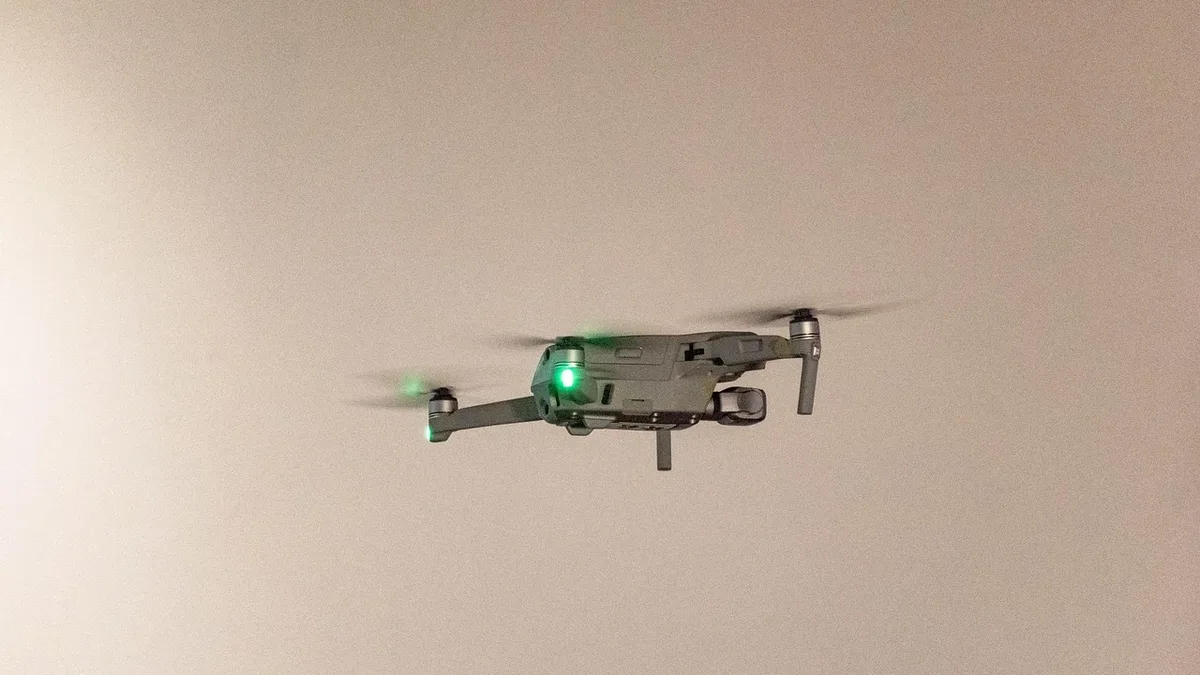
High Great launches EMO Mini, 249-g drone for shows
High Great Innovation has unveiled the EMO Mini, a 249-gram drone aimed at professional aerial light shows. The aircraft offers an integrated case...
DJI Mic Mini 2S Adds Internal Recording Without Increasing Size
DJI has released the Mic Mini 2S, a new microphone with built-in recording, upgraded AI noise canceling, and support for up to four transmitters...
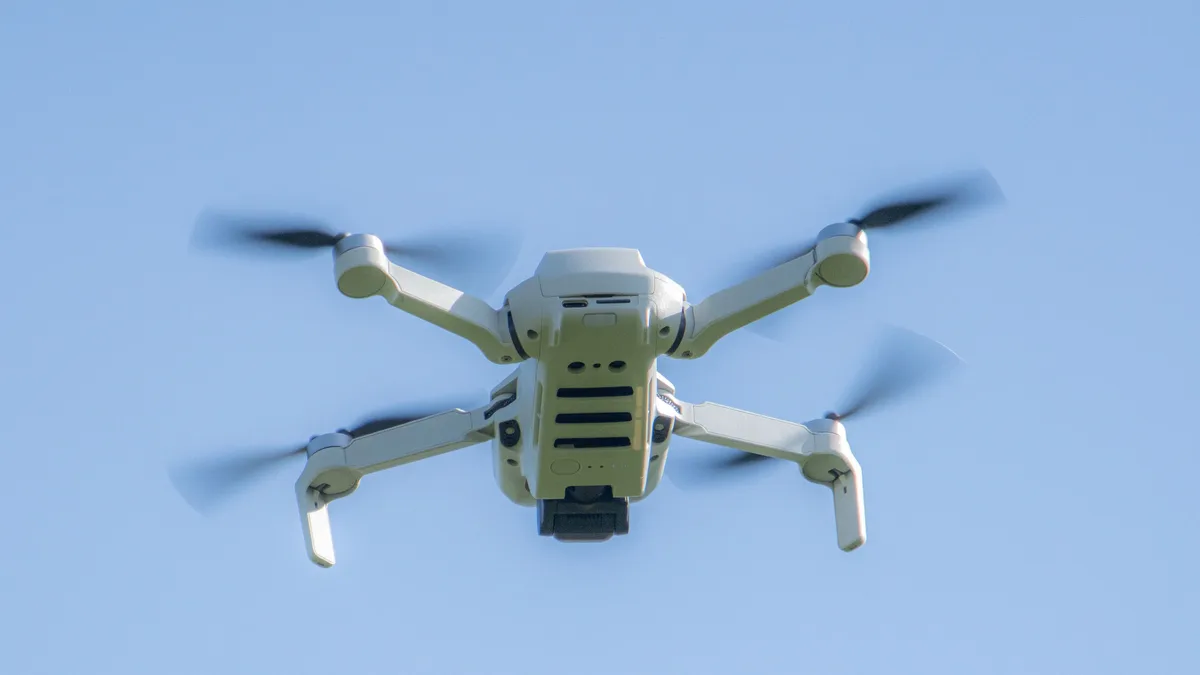
FCC Considers Banning DJI Drones Already Approved for Sale in the US
The Federal Communications Commission (FCC) is considering restrictions on previously authorized foreign-made drones with technologies including...