US Drone Import Tariffs Reach Up to 100% Under New Trump Administration Policy
The Trump administration has announced tariffs on imported drones and drone components, with duties reaching as high as 100% for certain products.
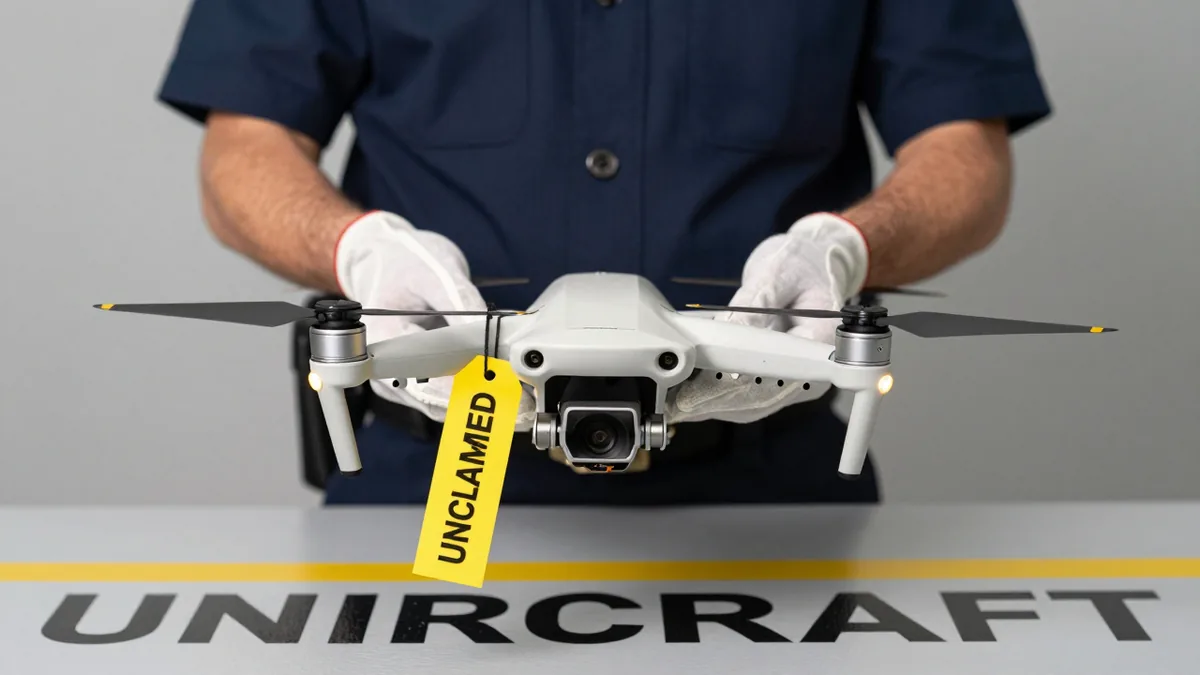
The US drone import tariffs have been increased by the Trump administration, with duties reaching up to 100% for certain products. This move is aimed at boosting domestic manufacturing and reducing US dependence on foreign suppliers.
The new policy creates multiple tariff tiers depending on the type of drone and where it's made. The steepest penalty is a 100% tariff on imported drones weighing more than 25 kilograms (55 pounds), along with drones equipped with capabilities considered sensitive for national security, such as thermal imaging systems. Certain key drone components and docking stations also fall into this category.
Smaller drones - those weighing 25 kilograms or less - aren't escaping entirely. They'll generally face a 25% tariff, although the implementation timeline differs depending on the product. Most drone tariffs take effect in about two weeks from now, while some lower-risk components won't see the additional duty until 180 days after the proclamation.
The administration is also giving preferential treatment to several allied countries. Drones and components originating from the European Union, Japan, South Korea, Taiwan, Switzerland, and Liechtenstein can qualify for a 15% tariff, while products from the United Kingdom face a 10% tariff, provided the hardware and underlying technology genuinely originate from those countries or the US.
| Tariff Tier | Tariff Rate | Description |
|---|---|---|
| High | 100% | Drones weighing more than 25 kg, thermal imaging systems, and certain key components |
| Medium | 25% | Smaller drones, lower-risk components |
| Low | 15% | Drones and components from the European Union, Japan, South Korea, Taiwan, Switzerland, and Liechtenstein |
| Low | 10% | Drones and components from the United Kingdom |
The administration based the new tariffs on a Section 232 investigation under the Trade Expansion Act of 1962, the same legal authority previously used for tariffs on products such as steel, aluminum, automobiles, and copper. Commerce Secretary Howard Lutnick says that the US has become overly dependent on foreign-made unmanned aircraft systems and their components.
The administration also pointed to lessons from the war in Ukraine, where drones have become indispensable tools for reconnaissance, logistics, and combat operations. In the proclamation, drones are described as essential to both America's national security and economic strength.
Analysts say the new rules also attempt to close what some policymakers viewed as a loophole. Even as restrictions on certain foreign-made drones increased over the past year, many US companies could still import Chinese motors, frames, electronics, and other components before assembling finished products domestically. The new tariff structure makes that approach significantly less attractive.
There is one notable exception: manufacturers can avoid many of these tariffs by producing drones or components within the United States.
If you're shopping for a consumer drone, there's one important detail to keep in mind. Most popular camera drones, including the DJI Mini 5 Pro, Air 3S, Flip, and Mavic 4 Pro, weigh well under the 25-kilogram threshold. That means they would generally fall into the 25% tariff category rather than the headline-grabbing 100% rate.
Still, that doesn't necessarily mean retail prices will increase by exactly 25%. Manufacturers, distributors, and retailers may absorb some costs, shift production, adjust sourcing, or pass additional expenses on to consumers. The final impact on store shelves will likely vary by brand and product.
Commercial operators, enterprise customers, and public safety agencies purchasing larger aircraft or specialized equipment could face even bigger pricing changes if their systems fall under the 100% tariff category.
Source: DroneDJ