Public Safety & Sar
| Original use | Public safety and search and rescue |
|---|---|
| First created | Late 20th century |
| Typical airframe type | Medium twin-engine helicopter |
| Typical crew | Pilot, co-pilot, and mission specialists |
| Key mission equipment | Search light, hoist, FLIR camera, communications suite |
| Operational environment | All-weather, day and night |
| Common operators | Coast guard, police aviation units, mountain rescue services |
Origin and history
Public Safety & Sar, as a formal operational concept, originated in the United States during the mid-20th century. Its development is intrinsically linked to the advent of the helicopter and its subsequent integration into civilian government service. The concept evolved from earlier, less organized efforts using fixed-wing aircraft for search and rescue (SAR) and law enforcement observation. A significant catalyst was the establishment of military SAR units during World War II and the Korean War, which demonstrated the helicopter's unique capabilities. Following this, municipal police departments and other government agencies began experimenting with rotary-wing aircraft in the 1950s and 1960s. The formalization of Public Safety & Sar as a dedicated discipline occurred as these agencies developed standardized training, procedures, and mission profiles distinct from military or commercial aviation.
What it is designed for
Public Safety & Sar is designed for the execution of airborne law enforcement, emergency medical services (EMS), search and rescue (SAR), and firefighting missions by government agencies. Its primary purpose is to extend the operational reach and effectiveness of ground-based first responders through the use of aircraft. The design encompasses rapid response to critical incidents where time or terrain prohibits traditional access, such as pursuing fleeing suspects or reaching remote accident sites. It is specifically engineered for operations in complex, often non-permissive environments like dense urban areas, mountainous regions, or over water. The concept includes performing precise aerial maneuvers, such as hovering for hoist rescues or providing stable platforms for tactical officers. Furthermore, it is designed to integrate seamlessly with ground command structures, providing aerial intelligence, surveillance, and reconnaissance to support overall incident management.
Development and versions
The development of Public Safety & Sar has been driven by advancements in aircraft technology, avionics, and mission-specific equipment. Early versions relied on modified commercial or surplus military helicopters, often with minimal specialized gear. A major developmental milestone was the introduction of dedicated public safety aircraft, such as the Bell 47 and later the Bell 206 JetRanger, which offered improved performance and reliability. The "version" of a Public Safety & Sar program is typically defined by its aircraft platform, sensor suite, and operational mandate; common modern platforms include the Airbus H125, Bell 407, and Leonardo AW139. Development has seen the integration of forward-looking infrared (FLIR) cameras, night vision compatibility, satellite communications, and advanced navigational systems. Another significant version evolution is the dedicated air ambulance helicopter, configured with medical interiors and staffed by flight nurses or paramedics. Continuous development focuses on enhancing safety, autonomy, and interoperability with other emergency services.
Pros and cons
The aerial perspective provides a critical tactical advantage in surveillance, search patterns, and incident assessment, improving operational outcomes. However, a significant con is the extremely high operational cost, encompassing aircraft purchase, maintenance, fuel, insurance, and highly trained crew salaries, which can strain municipal budgets. The operational environment is inherently high-risk, with crews frequently flying in poor weather, at night, and to unprepared landing sites, leading to a higher accident rate compared to other civil aviation sectors. A common mistake is the underestimation of the sustained financial and logistical commitment required, leading to underfunded programs with inadequate training or aging equipment. Agencies or jurisdictions that implement such programs without a clear, frequent mission need often regret the investment, as the resource can become an underutilized financial liability.
Who it suits
Public Safety & Sar suits large, densely populated metropolitan areas with high volumes of emergency calls and traffic congestion that impedes ground response. It is also suited for regions with challenging geography, such as extensive coastlines, large wilderness areas, or mountain ranges, where traditional search and rescue is impractical. Agencies with a dedicated funding mechanism, such as a stable tax base or multi-jurisdictional support agreements, are best positioned to sustain the long-term costs. It suits organizations with a culture of rigorous safety management and continuous, high-fidelity training for both pilots and crew members. Conversely, it does not suit small towns or rural counties with limited call volumes and vast distances between hospitals, where fixed-wing air ambulance services may be more efficient and cost-effective. The model ultimately suits integrated emergency service systems where the aircraft is a force multiplier for existing, robust ground-based police, fire, and medical resources.
Latest Public Safety & Sar news
Latest reporting
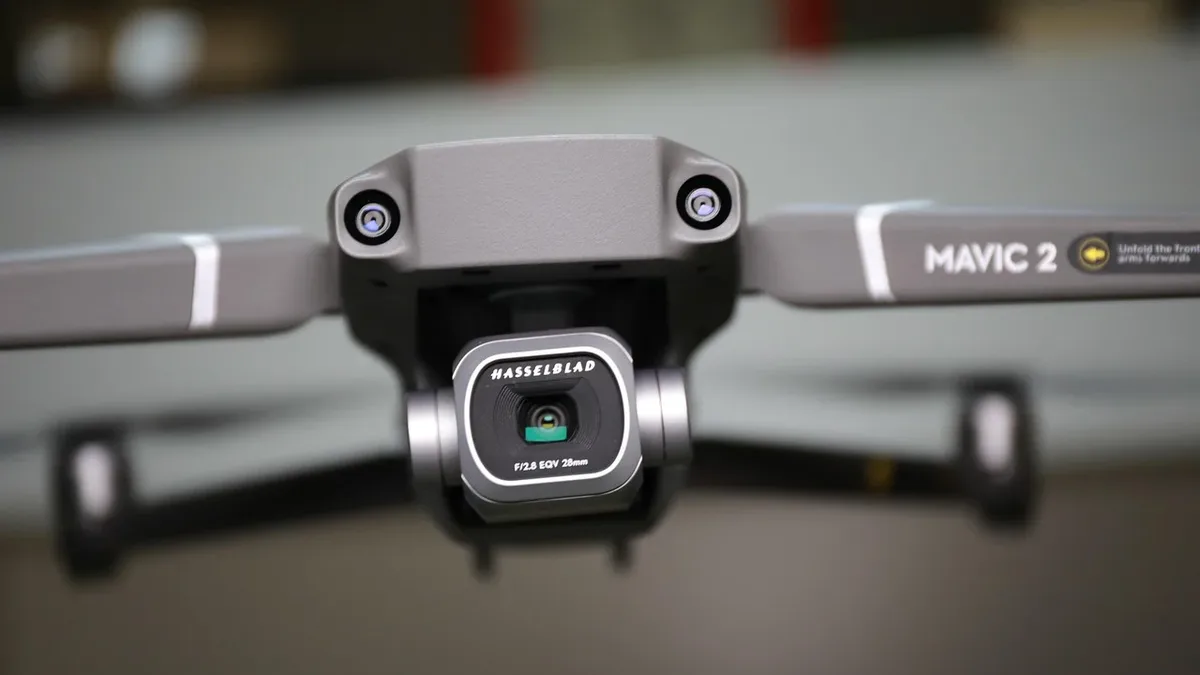
LiveU and Airwise Partner on Integrated Drone Solution for Public Safety
LiveU and Airwise have announced a strategic partnership to integrate drone fleet management, airspace compliance, and live video transmission into a...
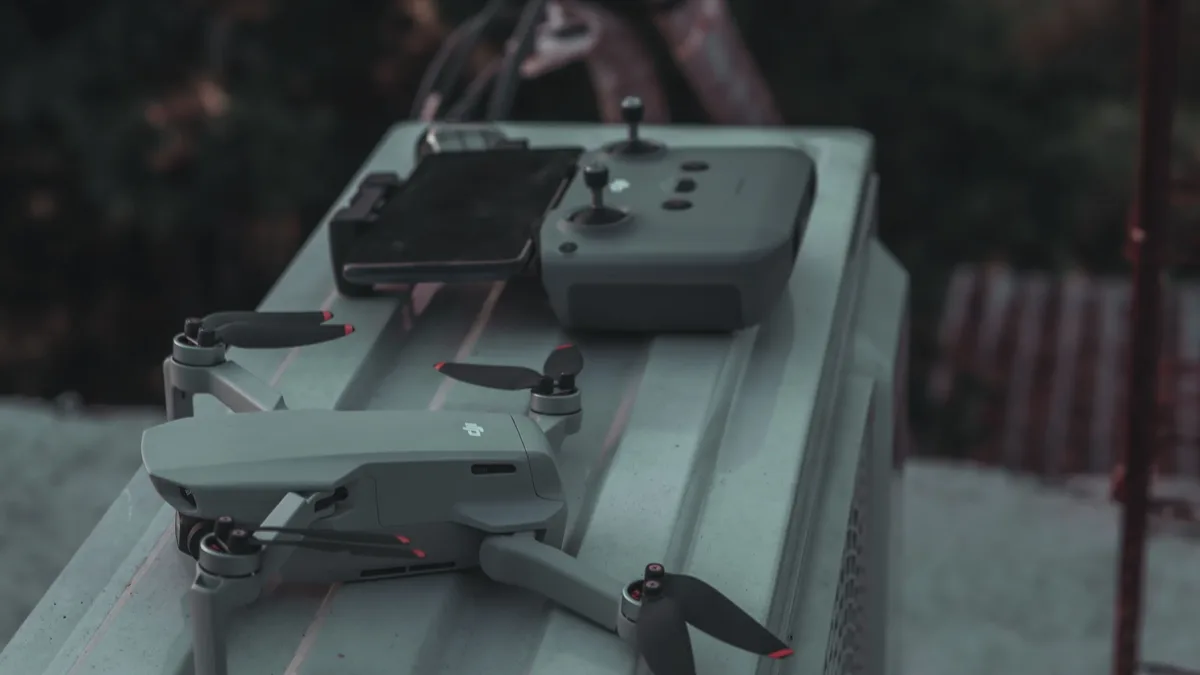
FCC Approves Nationwide Cellular Network Test for Drones
The FCC has granted a temporary waiver for a nationwide program to test if commercial cellular networks can support drone safety services like Remote...
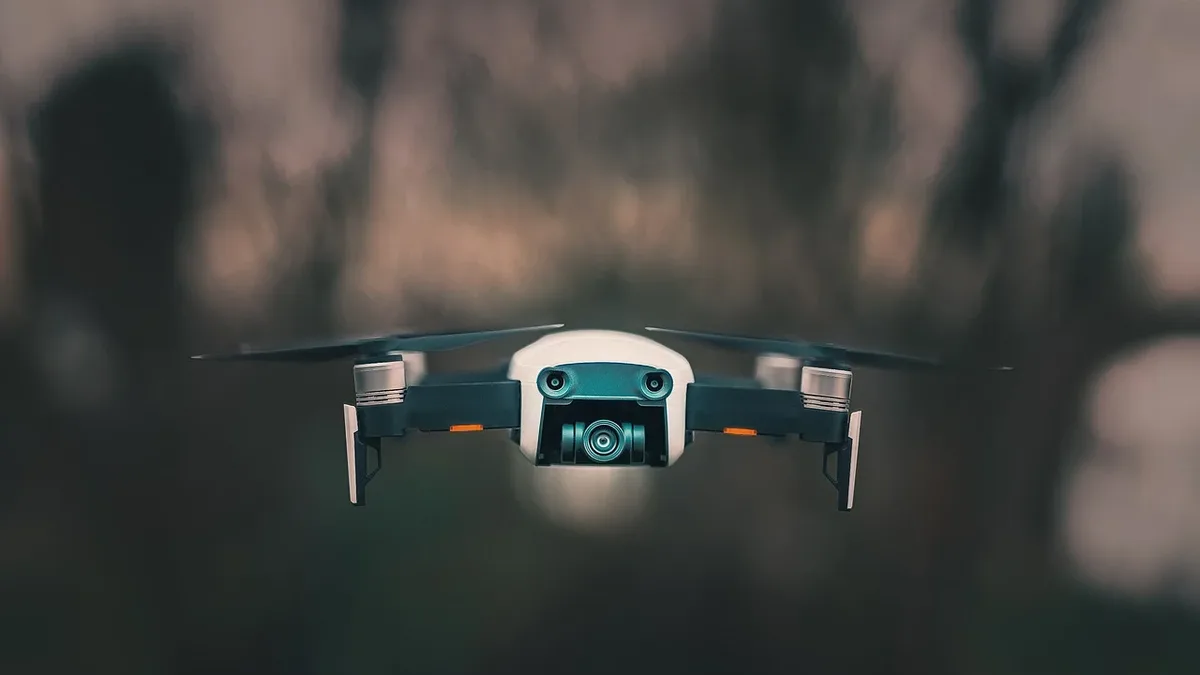
Drone Safety Statement Modernization Act Advances in House
The House Transportation and Infrastructure Committee approved H.R. 10304, a bill requiring new drone operators to electronically acknowledge reading...

DJI Flip Drone Deal Stands Out Amid Fresh Drone Tariff Uncertainty
The DJI Flip drone has become an attractive option for travelers and first-time pilots due to its portability, ease of use, and safety features. A...
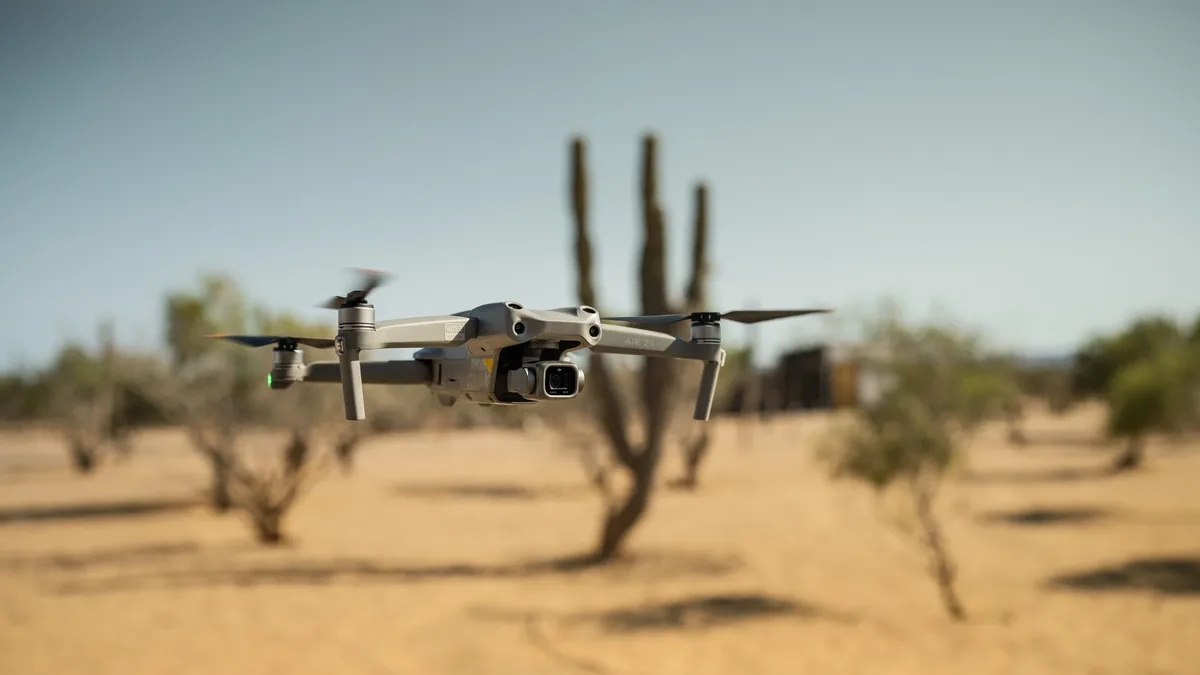
Police Quietly Take Control of Rogue World Cup Drones
A coordinated counter-drone operation was conducted during the 2026 FIFA World Cup, with over 20 public safety agencies deploying D-Fend Solutions'...
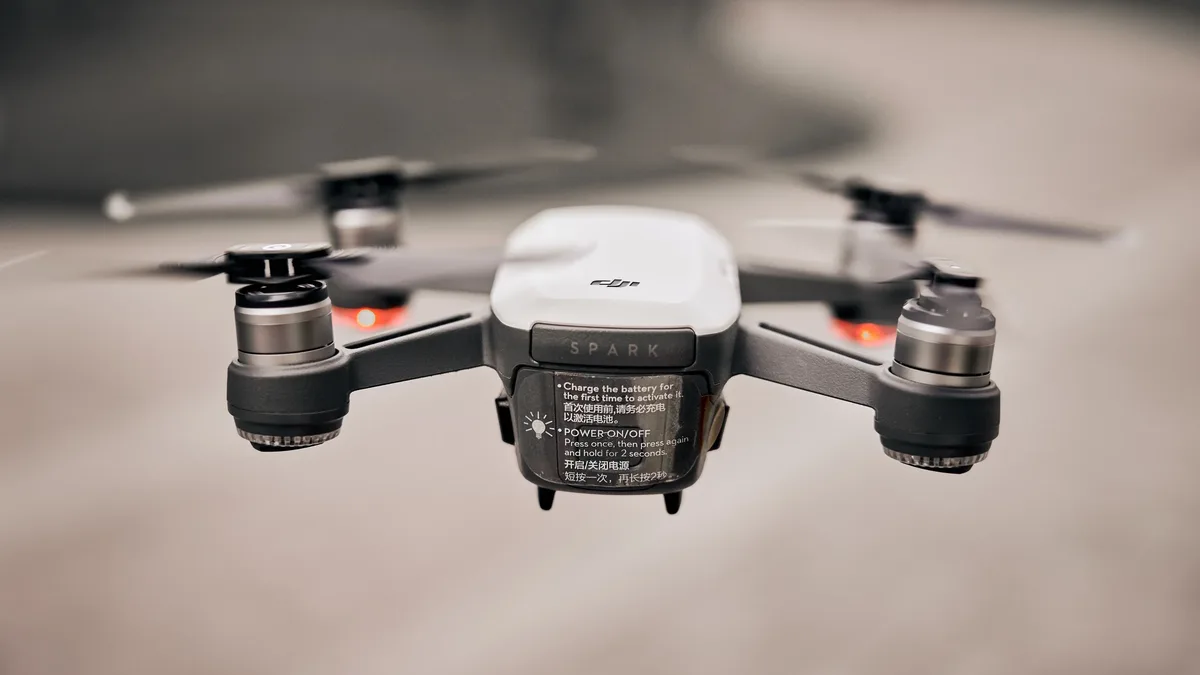
BRINC Drones Integrate Live Wildfire and Smoke Tracking into LiveOps Platform
Public safety drone company BRINC has added two new map layers to its LiveOps platform, providing real-time information on active wildfires and smoke...