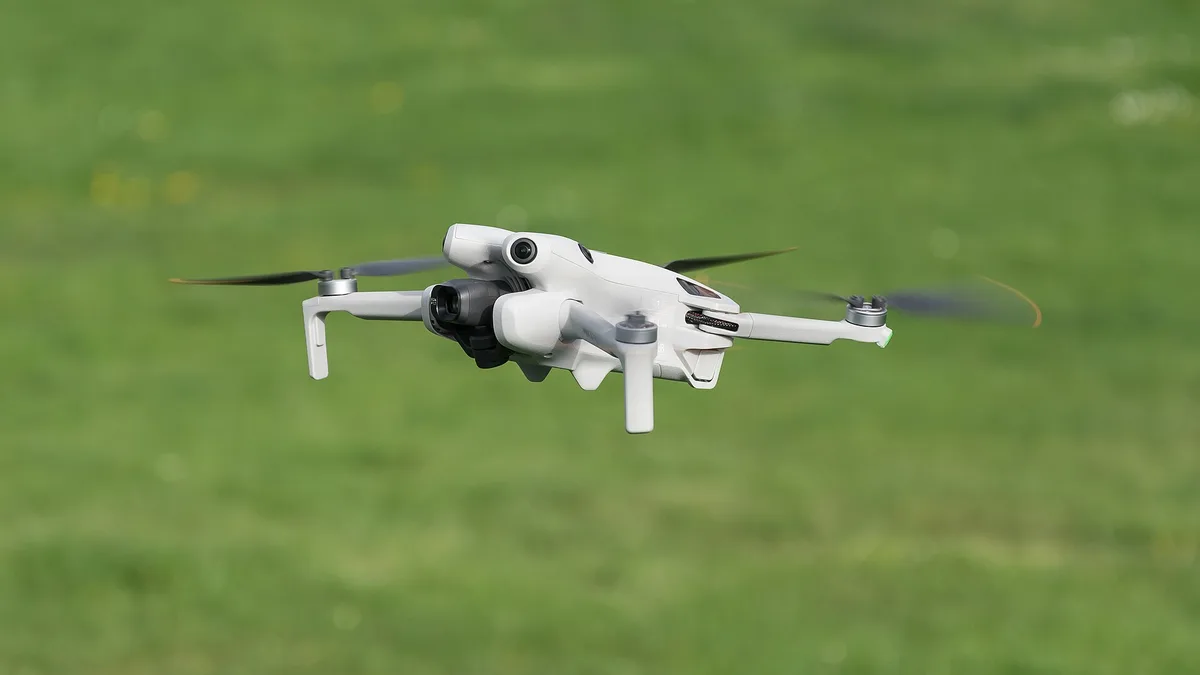
Dji Air Series And Dji Mini Series
| Original use | Consumer aerial photography and videography |
|---|---|
| First created | 2010s |
| Country of origin | China |
| Weight class | Sub-250g (Mini Series) / Over 250g (Air Series) |
| Typical transmission range | Several kilometers |
| Typical maximum flight time | 20 to 40 minutes |
| Gimbal | 3-axis mechanical |
| Obstacle sensing | Varies by model from none to omnidirectional |
Origin and history
The DJI Air Series and DJI Mini Series are lines of consumer drones originating from China. The Mini Series was first launched in the late 2010s, introducing a new category of ultra-lightweight aircraft. The Air Series preceded it, launching earlier in the same decade as a mid-range option between entry-level and professional models. Both series were developed and manufactured by DJI, a technology company headquartered in Shenzhen. Their creation was part of a strategic expansion to dominate all segments of the consumer drone market. The historical context for these lines includes evolving aviation regulations worldwide that set weight-based operational limits.
What it is designed for
These drone series are primarily designed for aerial photography and videography by enthusiasts and content creators. They are engineered to offer high-quality imaging sensors and stabilized gimbals in portable form factors. A key design goal, especially for the Mini Series, is to fall under specific regulatory weight thresholds to simplify legal operation. The Air Series is designed to provide more advanced camera features and flight performance than entry-level drones without the bulk of professional rigs. Both series emphasize automated flight modes, such as active tracking and pre-programmed shot trajectories, to assist users in capturing complex footage. Their design inherently balances portability, camera capability, and compliance with increasingly common sub-250-gram drone rules.
Development and versions
Development has followed a pattern of iterative updates, with new models replacing older ones every few years. The Air Series began with the original Mavic Air, focusing on compact folding design, and progressed through the Air 2, Air 2S, and Air 3 models, each significantly upgrading camera sensors and flight autonomy. The Mini Series started with the Mavic Mini, emphasizing weight just below 250 grams, and evolved through the Mini 2, Mini 3, and Mini 4 Pro, gradually incorporating more professional features like obstacle sensing and larger apertures. Development priorities have consistently included extending battery life, improving transmission systems like OcuSync, and enhancing image processing software. Each version typically addresses specific shortcomings of its predecessor, such as wind resistance or low-light performance. The parallel development of both lines ensures a clear feature and price ladder exists across DJI's consumer portfolio.
Pros and cons
A primary advantage is their exceptional portability and quick deployment, making them ideal for travel and spontaneous shooting. The image quality, particularly from the larger sensors in the Air Series, is consistently praised for exceeding expectations for their size class. A significant pro is the regulatory advantage of the Mini Series, as its sub-250-gram weight exempts it from certain registrations and pilot certifications in many regions. Common cons include their relative fragility in moderate winds compared to heavier drones and a tendency for the compact gimbal systems to be vulnerable in minor crashes. Users often regret choosing an Air model over a Mini if they frequently travel by air, where the Mini's weight category provides unambiguous logistical and legal simplicity. A frequent mistake is underestimating the importance of obstacle avoidance, as earlier Mini models lacked robust sensors, leading to preventable collisions by overconfident beginners.
Who it suits
The Mini Series best suits travelers, hiking enthusiasts, and absolute beginners who prioritize the simplest legal pathway to flight and maximum portability. It is also appropriate for casual users who want good quality aerial photos and videos without a steep learning curve or significant investment. The Air Series is tailored for serious hobbyists and aspiring professional content creators who need better camera controls, higher video bitrates, and more advanced autonomous flight features. It suits pilots who have outgrown entry-level drones but do not require the raw image quality or customization of DJI's professional series. Both series are poorly suited for industrial inspection, heavy wind conditions, or any application requiring extreme durability and long-range flight beyond visual line of sight. They are ideal for individuals who view the drone as a creative tool for personal or semi-professional projects rather than as a primary piece of commercial equipment.
Latest Dji Air Series And Dji Mini Series news
Latest reporting
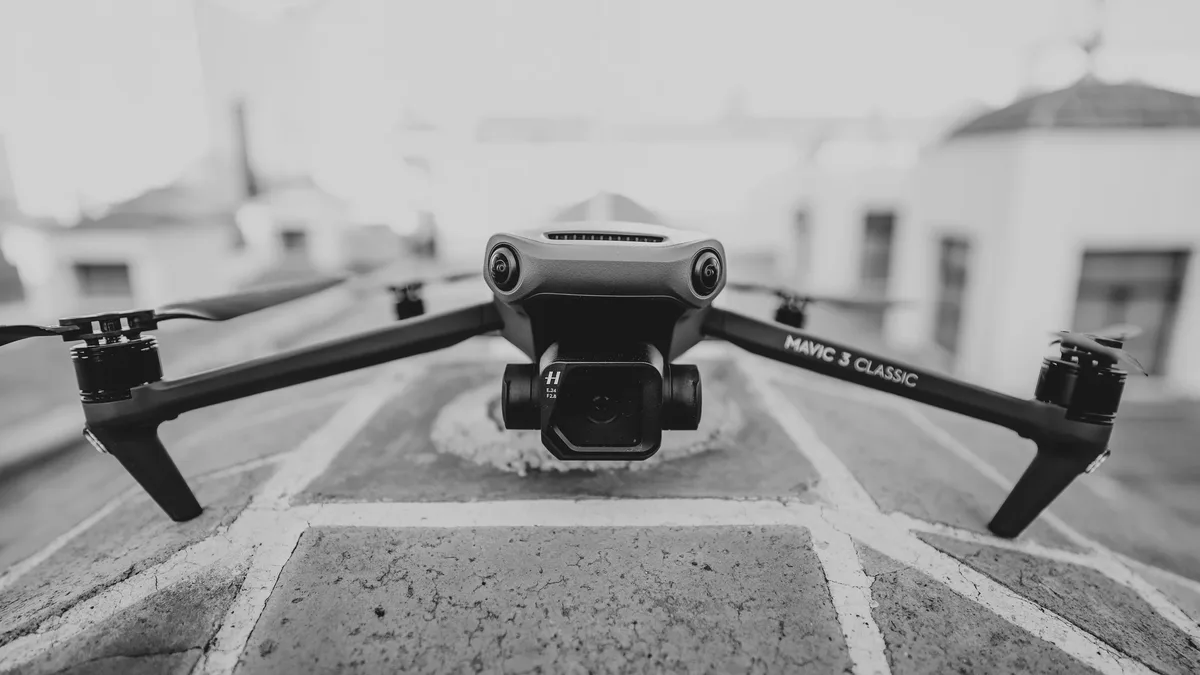
Fortem Technologies Secures $50M Series B for Counter-Drone
Fortem Technologies closed a $50 million Series B funding round led by Lockheed Martin, with participation from Unusual Machines.
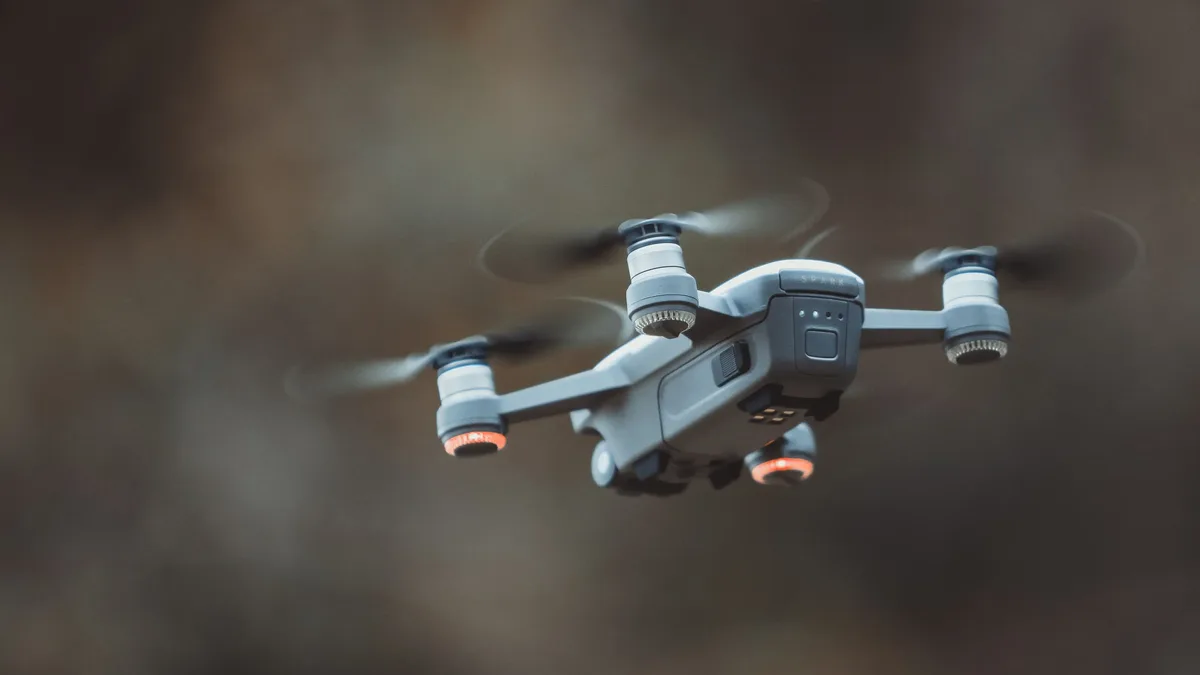
Skyline Nav AI Pathfinder Enables GPS-Independent Drone Navigation
Skyline Nav AI has launched its Pathfinder series, a low-cost camera and sensor-based navigation system for drones that operates without GPS.

Easy Aerial raises $20 million to expand manufacturing
Easy Aerial has secured $20 million in Series B funding to increase manufacturing capacity, support international defense programs.
Airbound Raises $37M Series A Led by Greenoaks
Airbound, the Bengaluru-based aerospace firm, secured $37 million in a Series A round led by Greenoaks and signed a commercial deployment agreement...
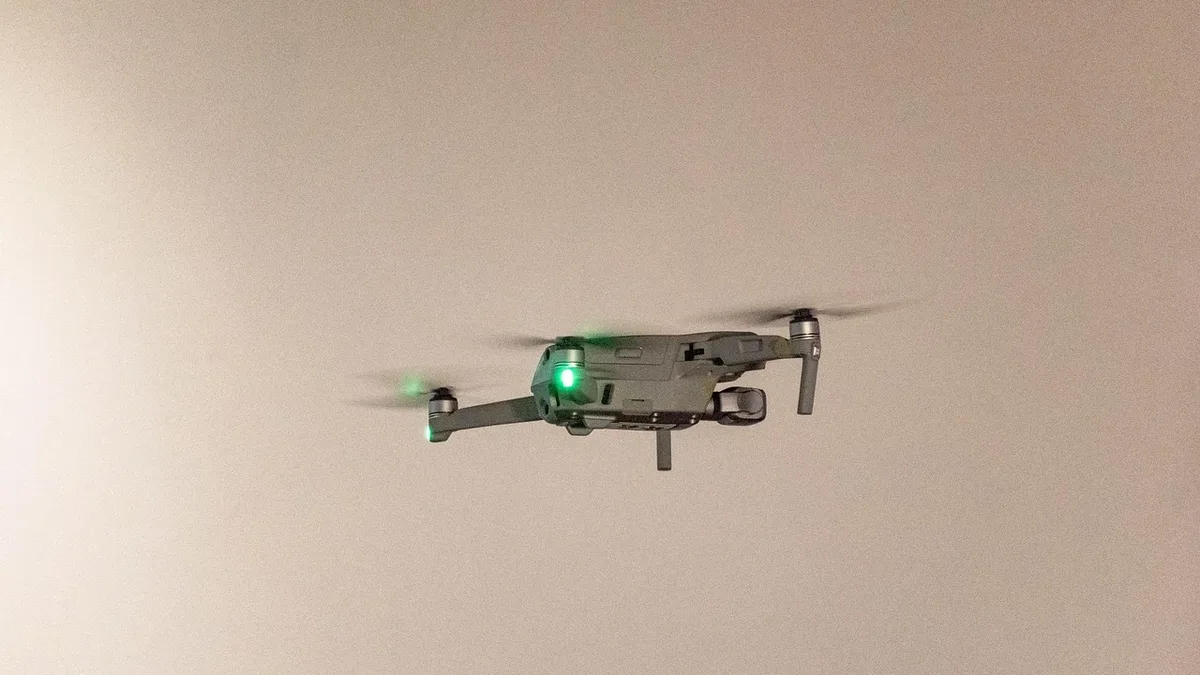
High Great launches EMO Mini, 249-g drone for shows
High Great Innovation has unveiled the EMO Mini, a 249-gram drone aimed at professional aerial light shows. The aircraft offers an integrated case...
DJI Mic Mini 2S Adds Internal Recording Without Increasing Size
DJI has released the Mic Mini 2S, a new microphone with built-in recording, upgraded AI noise canceling, and support for up to four transmitters...