Dji Avata And Cinewhoop Platforms
Origin and history
The DJI Avata is a drone model originating from China, launched by Da-Jiang Innovations (DJI) in the early 2020s. It represents DJI's first dedicated entry into the consumer-focused first-person-view (FPV) drone market. The broader cinewhoop platform concept, however, predates the Avata by several years, emerging from the DIY drone racing and freestyle community. Cinewhoops were developed globally by enthusiasts, particularly in the late 2010s, as a specialized adaptation of FPV racing drones. These platforms evolved from the need to capture smooth, close-quarters cinematic footage, which traditional racing drones were not optimized for. The DJI Avata commercialized and standardized this previously niche platform, integrating it with DJI's proprietary technology and safety features.
What it is designed for
The DJI Avata is specifically designed for immersive first-person-view flying and capturing dynamic, smooth video footage in confined spaces. Its core design purpose is to enable accessible, cinematic FPV flight for pilots without the need to build a drone from individual components. The integrated ducted propeller design, characteristic of cinewhoops, is intended to provide a buffer between the propellers and the environment, enhancing safety for indoor and close-proximity flight. This makes it suitable for flying through doorways, around people, and in other scenarios where a traditional open-propeller drone would pose a higher risk. The platform prioritizes stable, controlled footage over the extreme high-speed acrobatics of racing-focused FPV drones. It is engineered for content creators seeking the distinctive, flowing motion of FPV footage without a steep piloting learning curve.
Development and versions
The DJI Avata was released as a single, integrated product comprising the drone, the DJI Goggles 2, and the motion controller. Unlike many DIY cinewhoop platforms, the Avata's airframe, electronics, and camera are not user-serviceable modules but a consolidated system. Its development focused on incorporating DJI's O3+ video transmission system for low-latency, high-quality FPV feed and recording. The platform has seen iterations in its firmware and accessory offerings rather than distinct model revisions. In contrast, the broader cinewhoop platform ecosystem, built on standards like Betaflight, is defined by continuous development from multiple manufacturers. These DIY platforms offer countless versions with varying frame sizes, motor configurations, and electronic components, allowing for extensive customization and repair that the Avata does not permit.
Dji Avata And Cinewhoop Platforms review
As a product, the DJI Avata is reviewed as a turnkey solution that dramatically lowers the barrier to entry for cinematic FPV footage. Reviewers consistently note its exceptional video transmission stability, integrated camera quality, and intuitive controls, especially with the optional motion controller. The platform is often criticized for its lack of repairability, with the integrated design making even simple propeller swaps more complex than on a traditional cinewhoop. The broader cinewhoop platform review landscape focuses on individual components, evaluating flight controllers, video transmitters, frames, and cameras for their performance in custom builds. These platforms are praised for their versatility and resilience but are noted to require significant technical knowledge to assemble, tune, and maintain effectively.
Overview
The DJI Avata is a ready-to-fly, ducted FPV drone system sold with goggles and a controller. It falls under the cinewhoop category due to its protective propeller guards and compact form factor designed for proximity flying. The platform uses a 1/1.7-inch sensor camera capable of recording stabilized 4K video at high frame rates, with a super-wide field of view characteristic of FPV footage. Its flight characteristics are tuned for smoothness and predictability, with multiple flight modes including a full manual mode for experienced pilots. The drone incorporates significant safety sensors, including a downward-facing system, which is uncommon on most DIY cinewhoop builds. Operationally, it is gated by DJI's geofencing system and requires DJI Fly app activation, linking its flight permissions to regulatory databases.
What to know
Potential pilots should know that the DJI Avata operates within DJI's proprietary ecosystem, locking users into its specific goggles, controllers, and batteries. Its flight time is generally shorter than that of comparable camera drones due to the power demands of FPV flight and the added weight of the ducting. The aircraft's durability in minor crashes is a point of consideration, as the integrated design can lead to costly repairs for damage that would be minor on a modular cinewhoop. Flying in manual mode disables all obstacle sensing and requires significant pilot skill, as the drone can move at high speeds. Regulations for FPV flight, which often require a visual observer or specific licenses, fully apply to the Avata despite its immersive goggles. Understanding local rules regarding flying near people or over crowds is critical, as the perceived safety of ducted propellers does not override aviation authority regulations.
Common questions
A common question is whether the DJI Avata can be flown without the accompanying DJI goggles, to which the answer is no, as it lacks a traditional controller screen and relies on the digital FPV feed. Users often ask if the propellers or arms can be easily replaced after a crash, and while some components are replaceable, the level of repair is far more limited than on a DIY build. Many inquire about the possibility of using a standard radio controller instead of the bundled motion controller, which is possible with the separate purchase of a compatible DJI FPV Remote Controller 2. People frequently question the difference between a cinewhoop and a standard FPV drone, which primarily revolves around the protected propellers and focus on stable video over raw performance. Another recurring question concerns the geofencing and whether it can be bypassed for authorized flight in controlled airspace, which requires using DJI's official unlock process with verification.
Pros and cons
A significant pro is the out-of-box experience, offering reliable, high-quality FPV flight without the months of learning required to build and tune a DIY drone. The video transmission system and camera produce consistently excellent results with minimal user intervention. A major con is the closed ecosystem; a failure of any core component often means a costly return-to-manufacturer repair instead of a simple part swap. Users frequently regret the choice if they are tinkerers or anticipate frequent crashes during the learning process, as the cost of ownership can escalate. The common mistake is underestimating the skill required for manual mode and damaging the aircraft, or purchasing it for traditional drone photography roles where a Mavic-series drone would be more capable. Its durability in low-speed indoor collisions is good, but high-speed impacts often result in catastrophic damage to the integrated frame.
Who it suits
The DJI Avata best suits content creators and hobbyists who prioritize capturing dynamic FPV footage over the process of building and maintaining a drone. It is ideal for those who want to start flying FPV quickly and are willing to trade customization and repairability for convenience and integrated performance. The platform is a poor fit for drone racing enthusiasts, who require lighter, faster, and more agile aircraft, or for technical pilots who enjoy the building and tuning process inherent to the DIY cinewhoop community. It also suits professional filmmakers who need a reliable, consistent tool for specific cinematic shots but must operate within the constraints of its fixed camera and lens system. Ultimately, it serves pilots who accept operating within DJI's controlled environment in exchange for a polished and accessible flying experience.
Latest Dji Avata And Cinewhoop Platforms news
Latest reporting
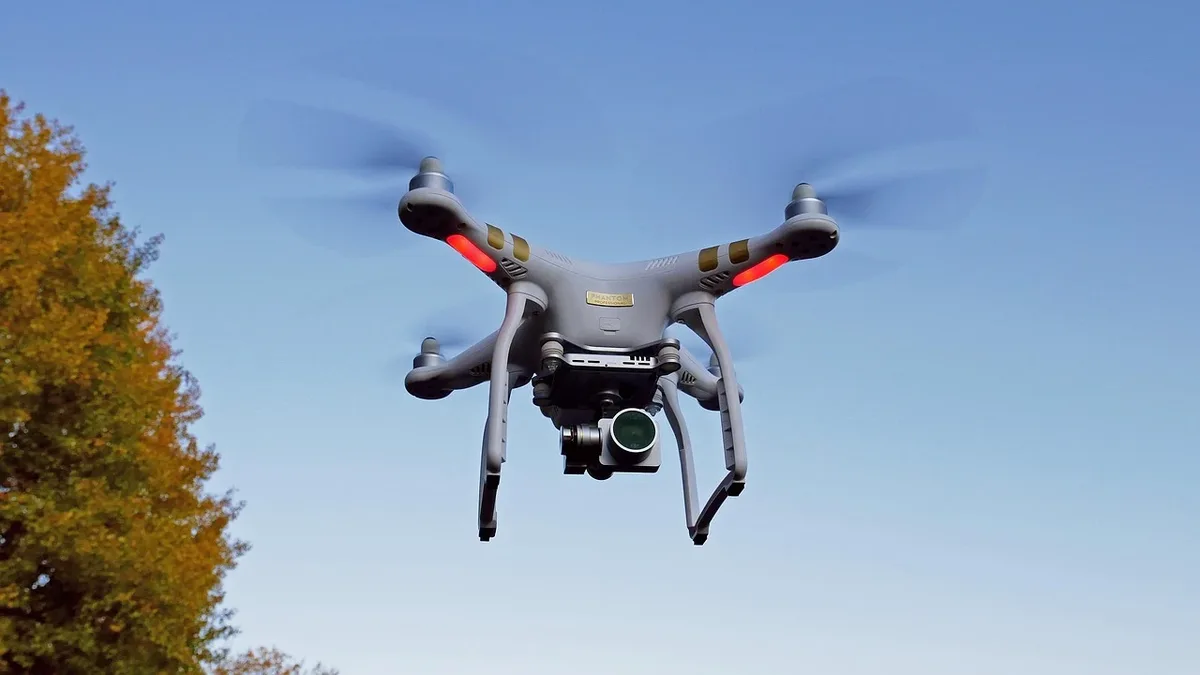
Teledyne FLIR Launches Prism A-ISR AI Detection Software
Teledyne FLIR has launched Prism A-ISR, an AI software module for real-time air-to-ground detection and tracking on drones and ISR platforms...
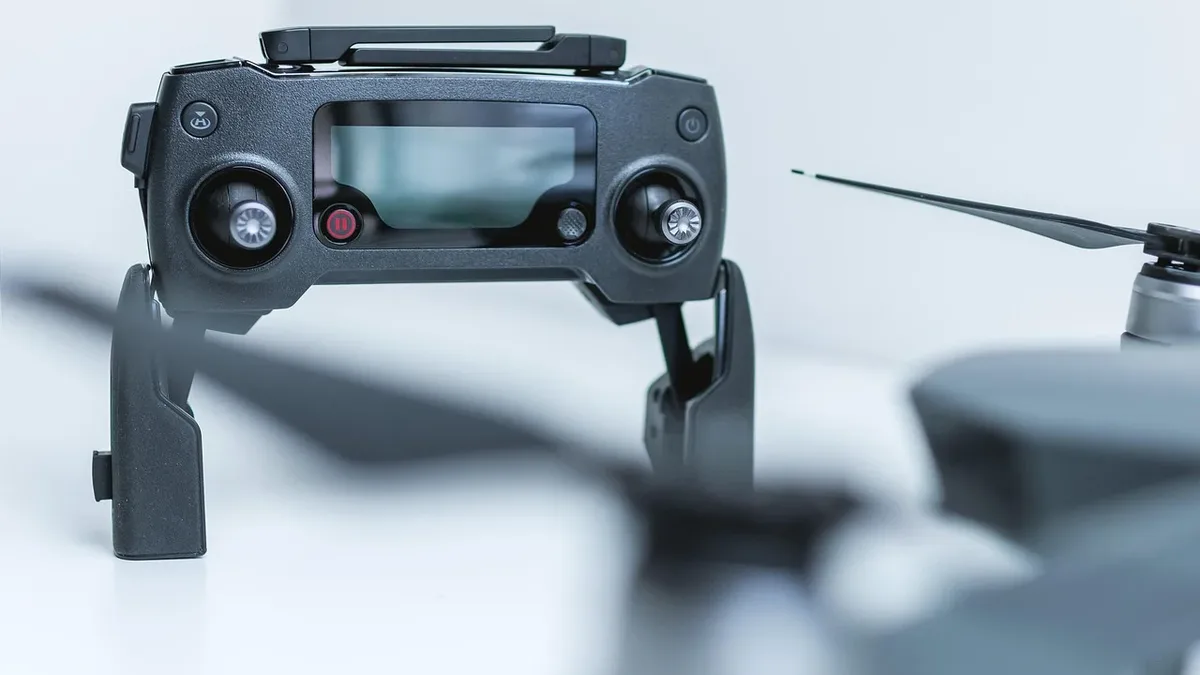
Advanced Navigation wins $18.5M deal for C-UAS navigation systems
Advanced Navigation will supply hundreds of Boreas FOG inertial systems to Kongsberg for integration into PROTECTOR counter-drone platforms.
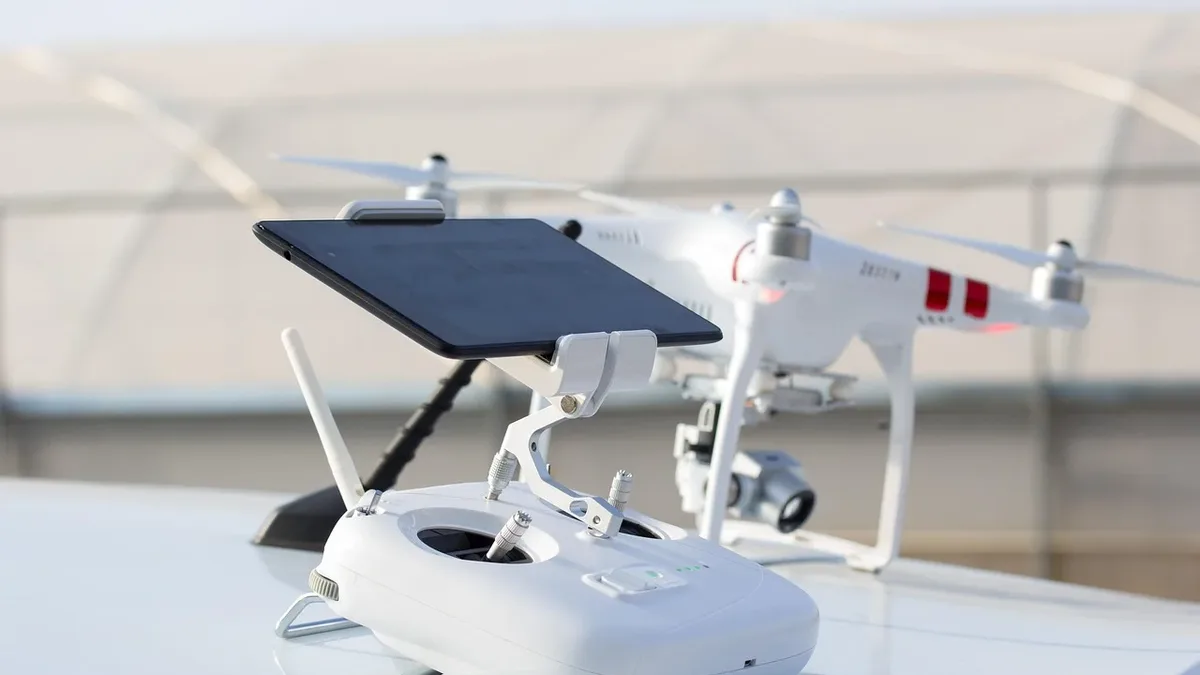
Dronetag and AirWise Solutions Partner
Dronetag and AirWise Solutions have integrated their platforms, feeding Remote ID detection data into the Airwise Nexus common operating picture for...
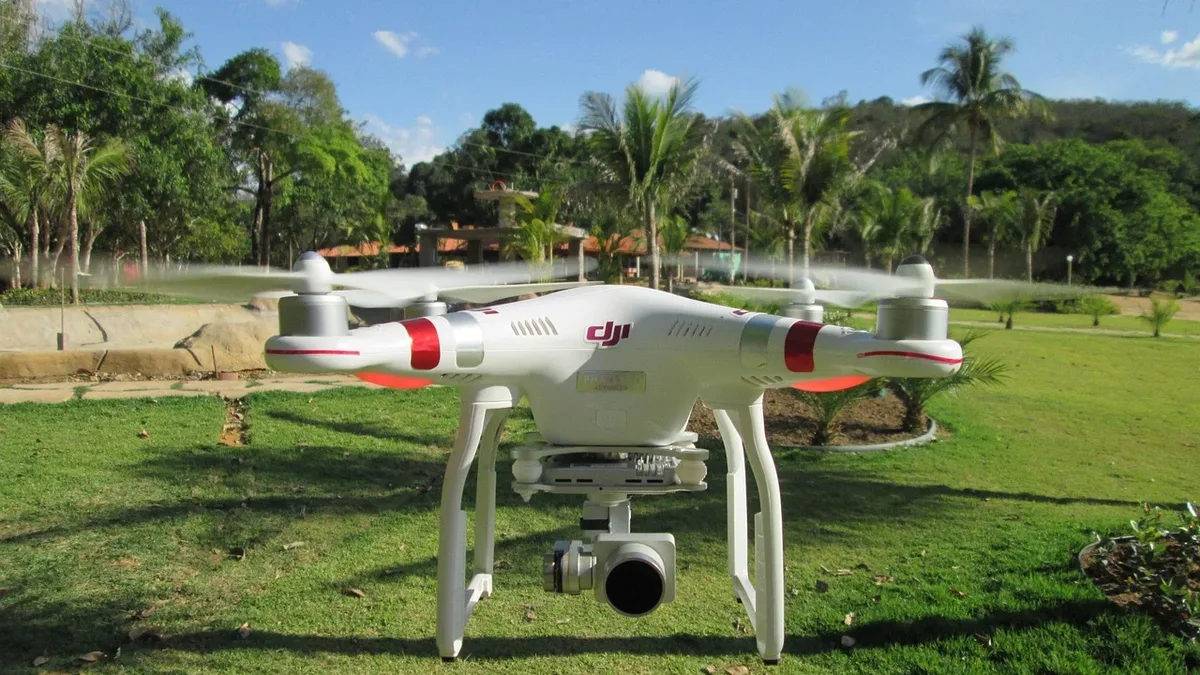
DJI launches $10,000 Avata 360 video contest
DJI has launched the #AllForPassion Challenge, a video contest offering a $10,000 grand prize for the best sports and adventure footage.