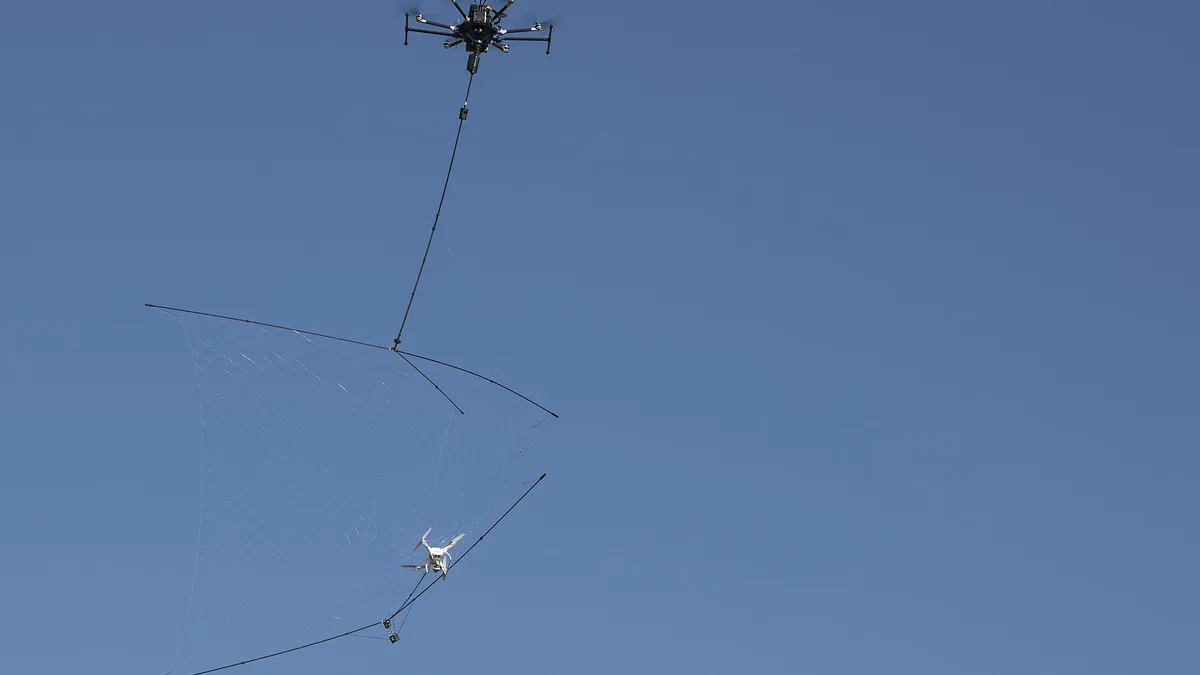
Security & Counter Uas
| Recall | Airframe |
|---|---|
| Original use | Security & Counter-Unmanned Aircraft Systems (C-UAS) |
| First created | 21st century |
| Typical platform | Unmanned Aerial Vehicle (UAV) |
| Typical size class | Small to medium |
| Primary operational environment | Controlled or restricted airspace |
| Key enabling rule | Specific operational authorization or waiver |
Origin and history
Security and Counter-Unmanned Aircraft Systems (C-UAS) emerged as a distinct technical and operational discipline in the early 21st century. Its development is directly tied to the proliferation of inexpensive, commercially available drones and their adaptation for malicious purposes. The foundational concepts for countering unmanned aerial threats were initially developed within military and national defense organizations, particularly in the United States and Israel, during the first decade of the 2000s. These early systems were focused on protecting forward operating bases and critical military assets from reconnaissance and weaponized drones. The technology and tactics rapidly evolved in response to the documented use of consumer drones by non-state actors in conflict zones during the mid-2010s. This demonstrated a clear shift in the threat landscape, moving the requirement for C-UAS from a purely military concern to one encompassing critical infrastructure, public venues, and commercial facilities.
What it is designed for
Security and Counter-UAS is designed to detect, track, identify, and mitigate unauthorized or hostile unmanned aircraft systems. Its primary purpose is to protect designated airspace, ground assets, and personnel from threats posed by drones, which can range from espionage and contraband smuggling to physical attack. The discipline is fundamentally about establishing control over a specific volume of airspace, often referred to as a "drone dome" or "protected zone," within the context of existing aviation rules and regulations. It is engineered to counter a wide spectrum of UAS, from small consumer quadcopters to larger, custom-built fixed-wing drones, each requiring different detection and defeat methodologies. The design must account for the challenge of distinguishing legitimate drone operations, such as those for photography or infrastructure inspection, from illicit or hostile ones. Ultimately, it serves as a specialized layer of security that addresses a gap left by traditional ground-based physical security measures and conventional air defense systems.
Development and versions
The development of Security and Counter-UAS has progressed through successive generations of technology, driven by the evolving capabilities of the drone threat. Early versions relied heavily on traditional military radar and radio frequency (RF) sensors, which were often ill-suited for detecting small, low-flying, and slow-moving plastic and composite drones. Subsequent development introduced layered systems integrating multiple sensor types, such as electro-optical/infrared (EO/IR) cameras, acoustic sensors, and advanced RF analyzers, to improve detection probability and reduce false alarms. Mitigation technologies have also evolved, starting from basic jamming (radio frequency inhibition) to more sophisticated methods like spoofing (taking control via navigation signal deception) and kinetic defeat using nets, lasers, or interceptor drones. A significant trend in recent development is the move toward automated, networked systems that can correlate data from distributed sensors and recommend or execute appropriate mitigation responses. Furthermore, the development landscape now includes portable, man-portable systems for tactical field use alongside large, fixed-site installations for permanent critical infrastructure protection.
Pros and cons
A primary advantage of modern C-UAS systems is their ability to provide a previously unavailable layer of situational awareness for low-altitude air threats, filling a critical security gap. When properly integrated, they can effectively protect high-value sites from a range of drone-borne risks, from corporate espionage to terrorism. However, a significant con is the high cost of acquisition, integration, and ongoing operation, which includes necessary spectrum licensing and operator training, placing it out of reach for many smaller organizations. A common mistake is underestimating the complexity of deployment, particularly the challenge of mitigating signal interference with nearby legitimate wireless communications and GPS services, which can cause operational and legal liabilities. Organizations often regret choosing a system focused solely on kinetic "hard-kill" defeat without adequate detection and identification layers, leading to potential legal and public relations disasters if a civilian drone is mistakenly destroyed. Furthermore, the technology is in a constant arms race with drone counter-countermeasures, meaning a system can become obsolete if not regularly updated to address new drone protocols and flight modes.
Who it suits
Security and Counter-UAS technology suits military forces and defense organizations that require protection for bases, personnel, and equipment in permissive and contested environments. It is also a critical fit for operators of critical national infrastructure, such as airports, nuclear power plants, major utilities, and government complexes, where a drone intrusion could cause catastrophic disruption or safety risks. Large-scale public venues, including sports stadiums, concert arenas, and major public event spaces, increasingly employ these systems to ensure crowd safety and prevent unauthorized aerial surveillance. Correctional facilities have adopted C-UAS to combat the growing problem of drones being used to deliver contraband into prison grounds. The technology suits specialized private security details for high-profile individuals or corporate campuses where intellectual property protection from aerial espionage is a paramount concern. It is generally not suited for small businesses, private individuals, or applications where the cost and regulatory complexity outweigh the statistically low probability of a targeted threat.
Latest Security & Counter Uas news
Latest reporting
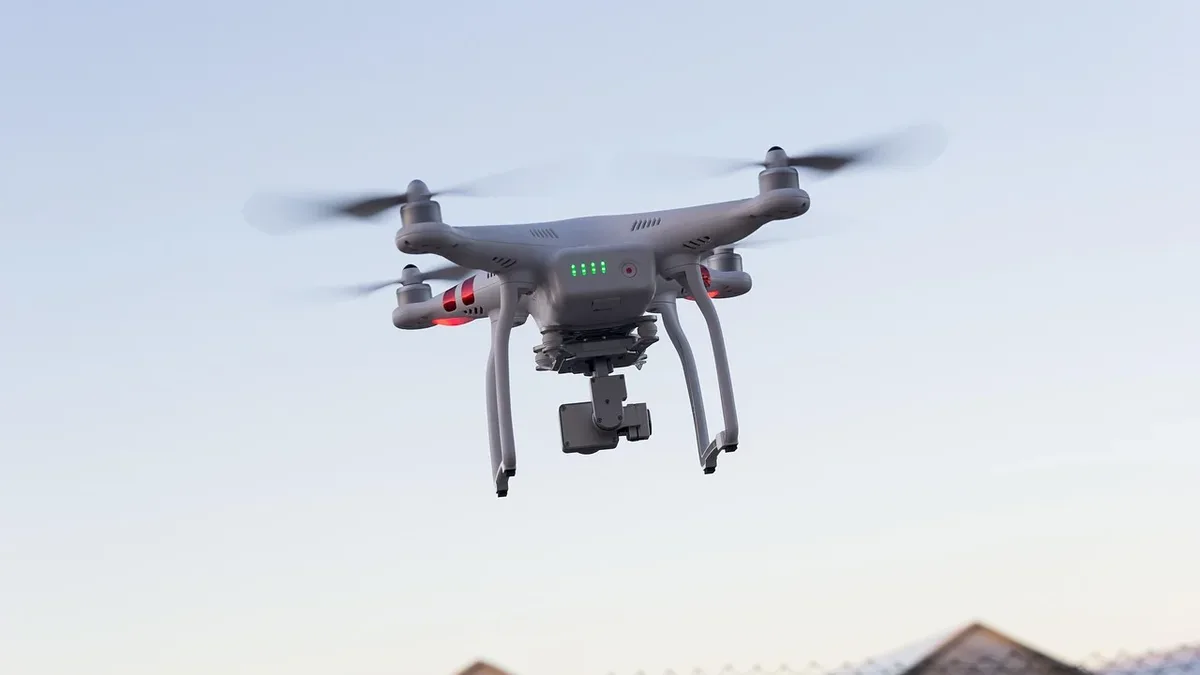
DroneShield Q4 software update boosts counter-drone detection
DroneShield's Q4 2026 software release delivers significant AI-driven improvements to detection and response for existing counter-drone systems.
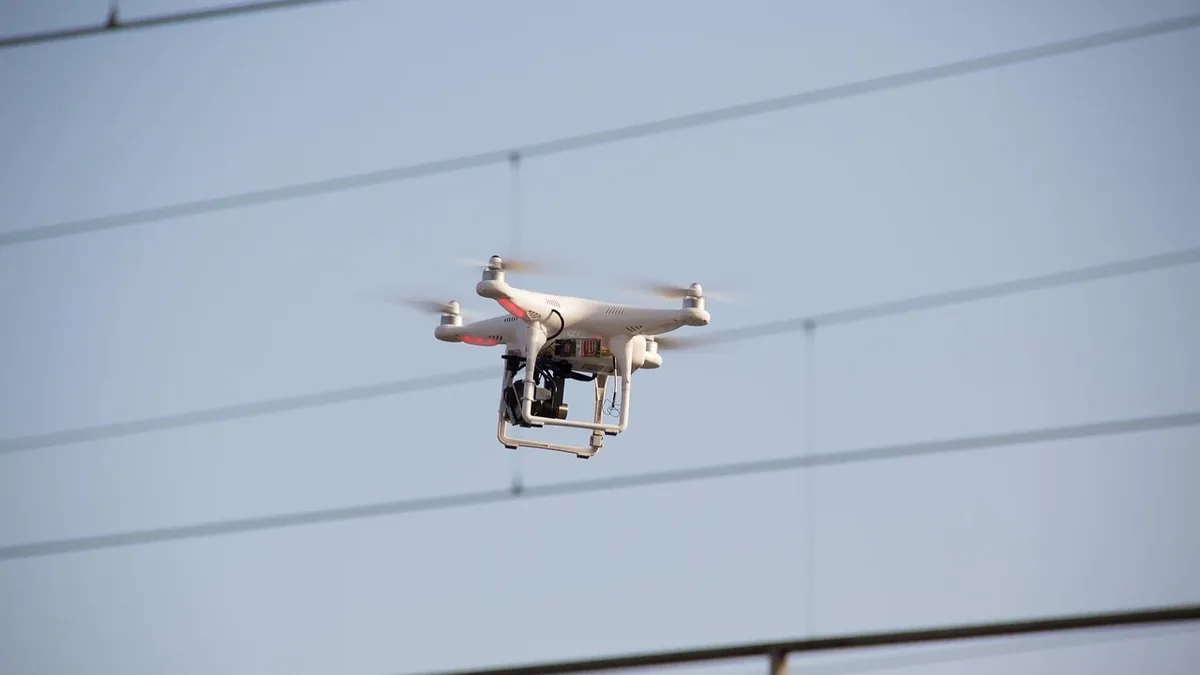
Powerus Unveils Guardian-3 Autonomous Counter-Drone Interceptor
Powerus Corporation launched its fully autonomous Guardian-3 drone interceptor at AUSA 2026, marking a strategic shift toward reducing operator...
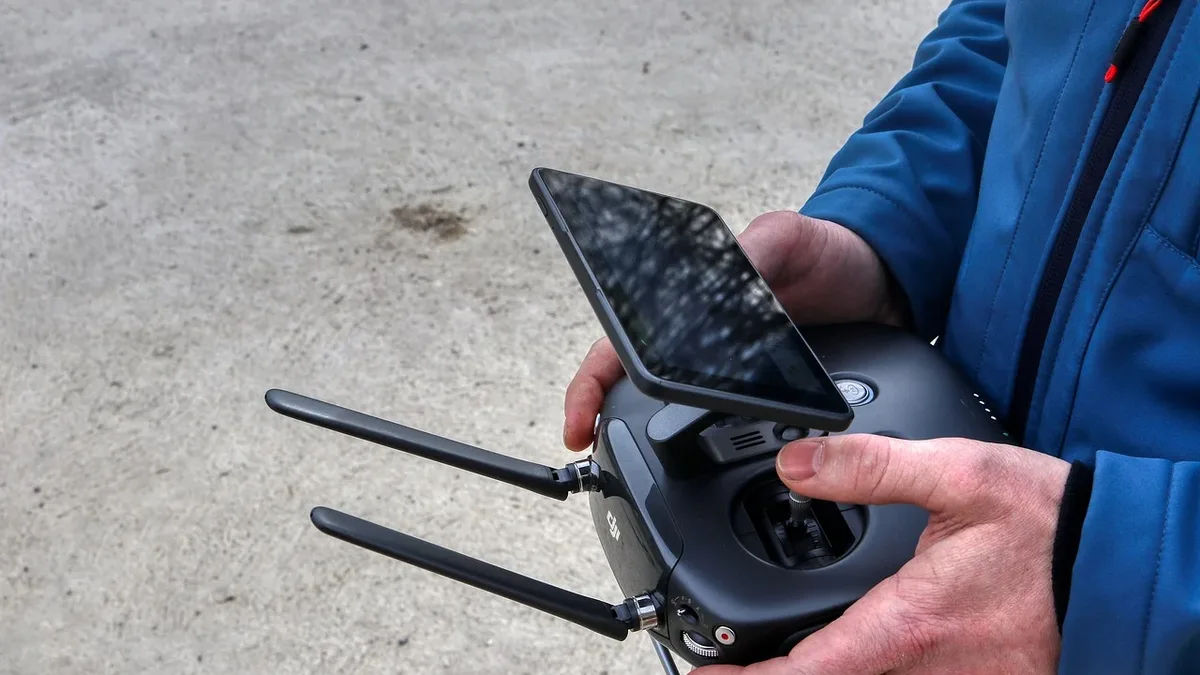
Nellis AFB renews UNIFY.C2 counter-drone platform contract
Nellis Air Force Base has renewed its contract for the UNIFY.C2 Counter-small Unmanned Aircraft Systems Mission Command Platform after a successful...
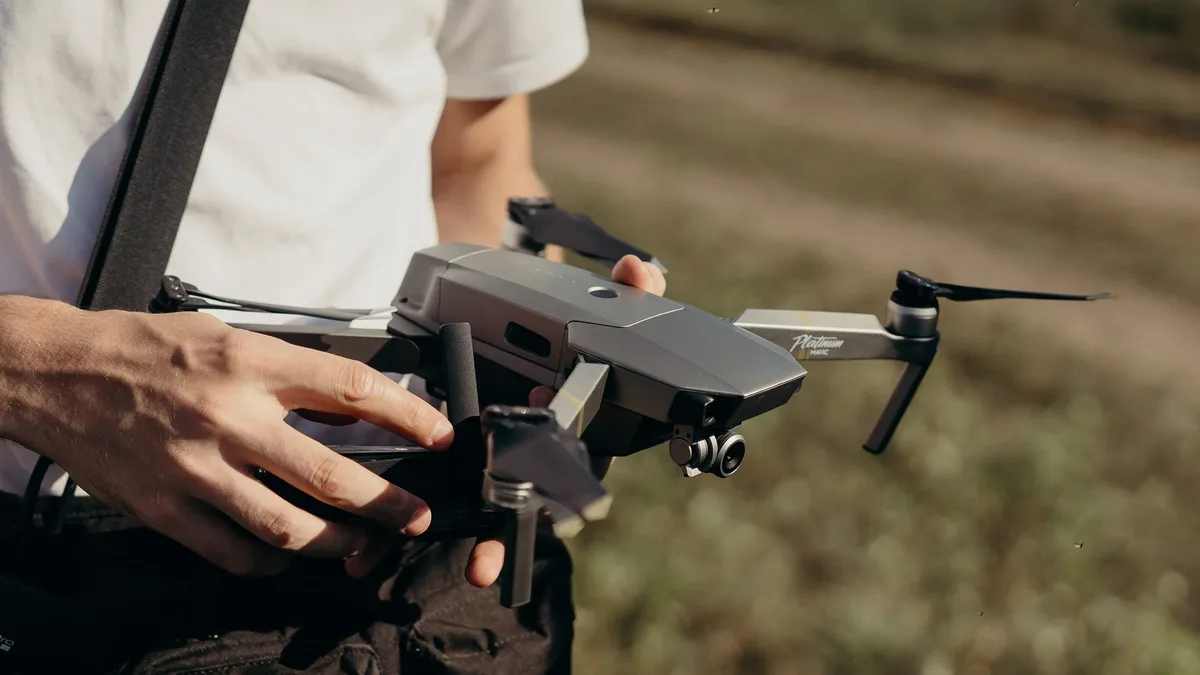
DHS Tests Counter-UAS Tech for State and Local Law Enforcement
The Department of Homeland Security is conducting field assessments of commercial counter-drone systems with state and local police.
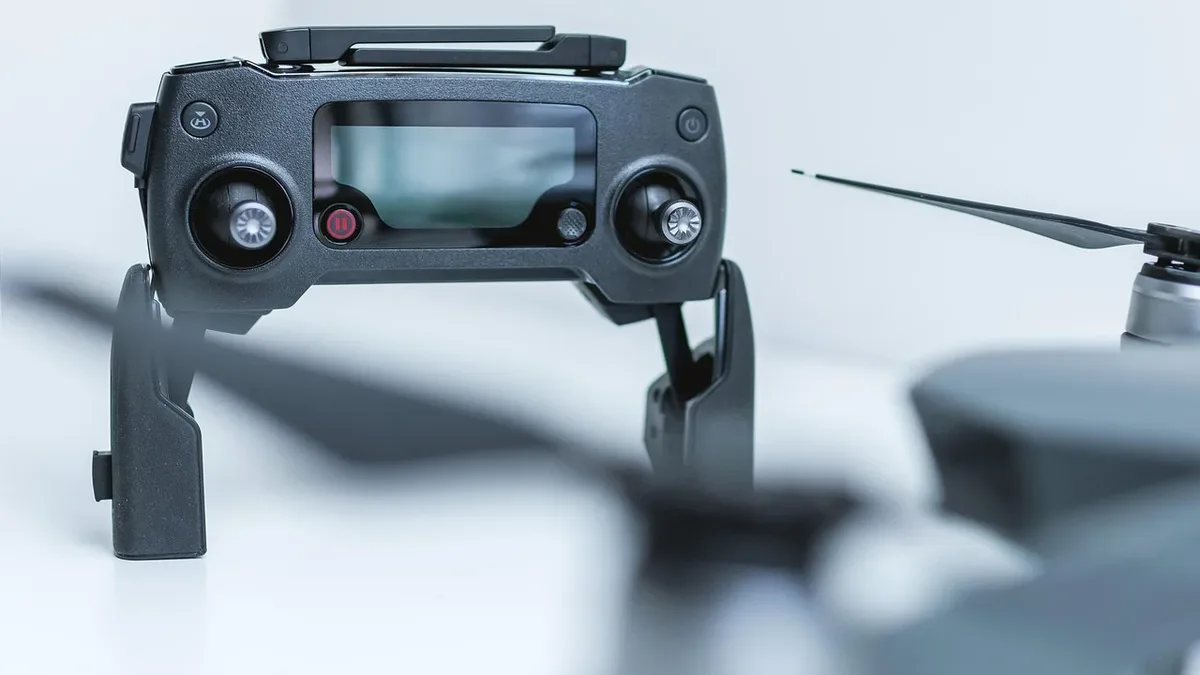
Smart Shooter Secures $150M SMASH Counter-Drone Contract
Smart Shooter won a 36-month, $150 million IDIQ contract from the U.S. Department of War's JIATF-401 to supply its SMASH rifle-mounted counter-drone...
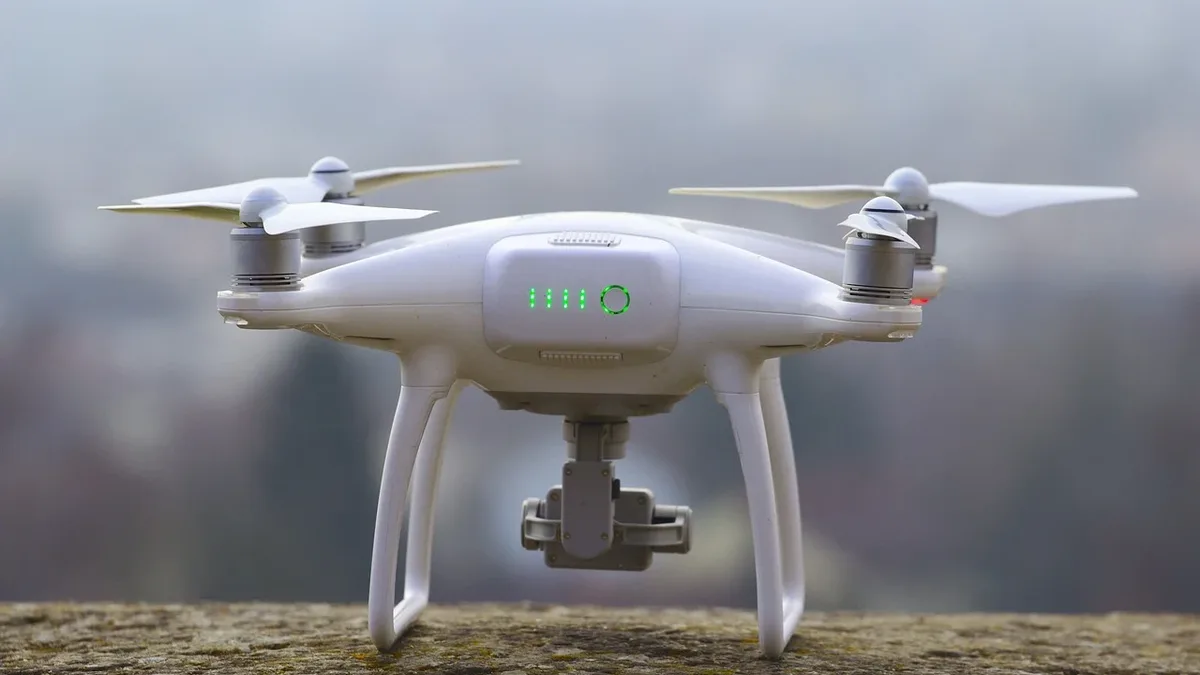
DFT Wins $500M Counter-Drone Contract for Domestic Shield
Digital Force Technologies secured a $500 million IDIQ contract to provide its SeraphimOS-powered counter-UAS systems for the U.S.