Uber Eats Partners with Zipline for Ultra-Fast Drone Deliveries
Uber Eats users may soon have access to ultra-fast drone deliveries through a new partnership with Zipline.
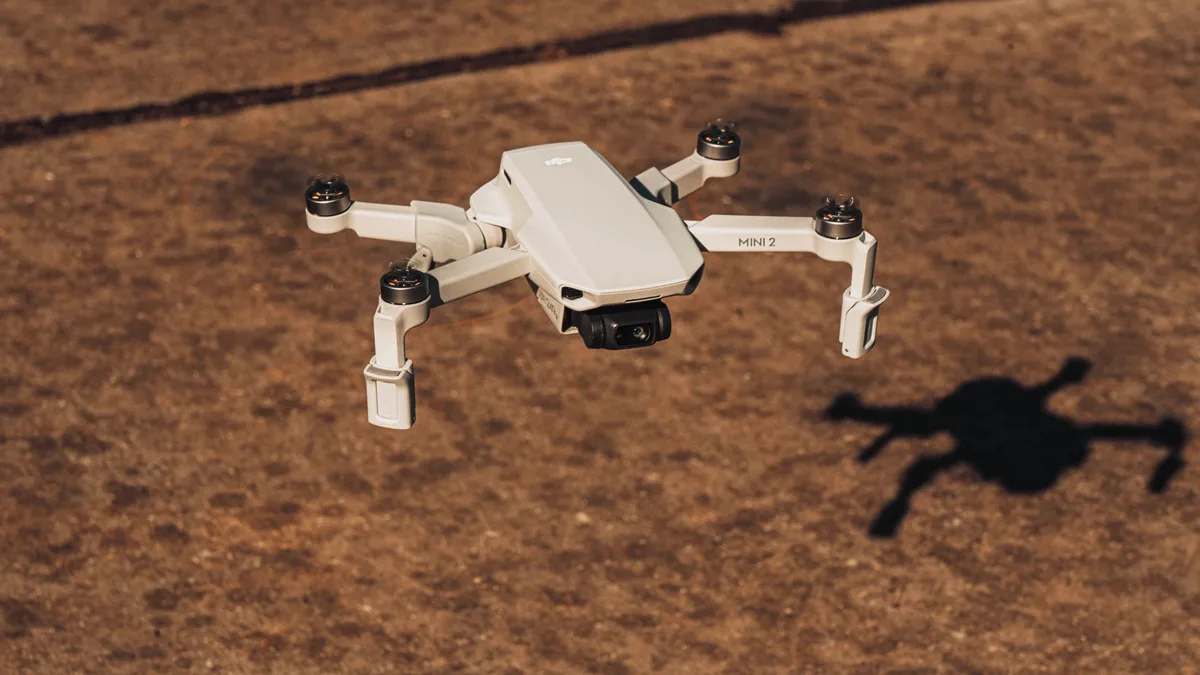
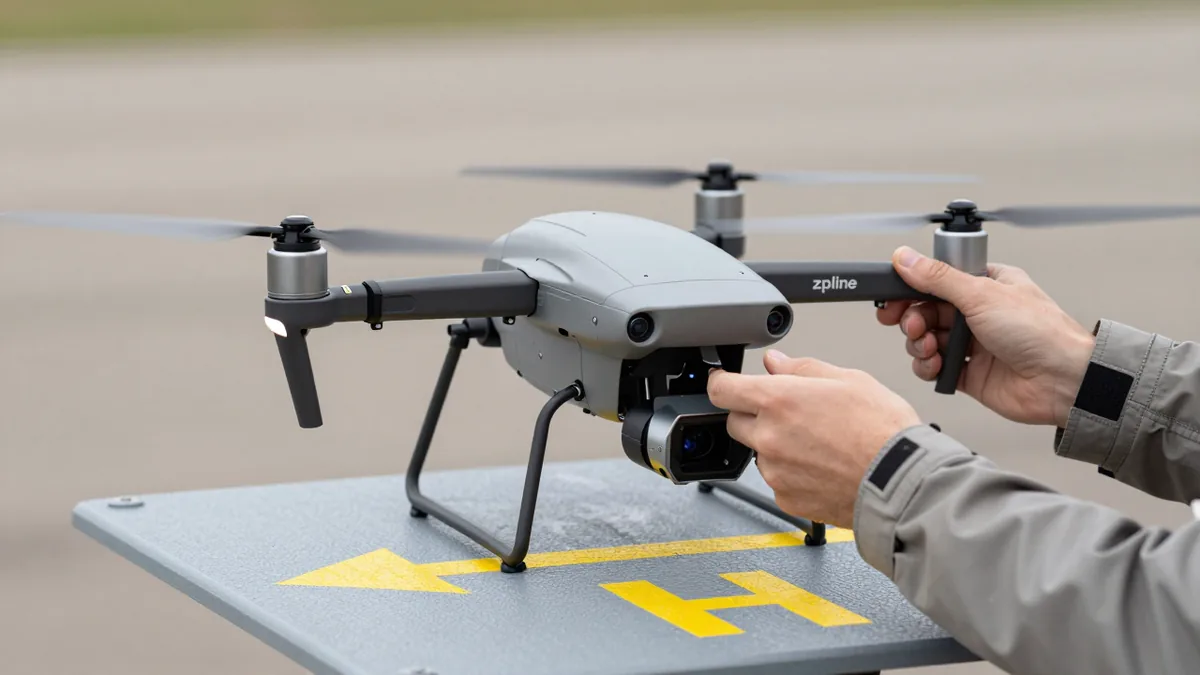
Uber Eats users could soon have another delivery option alongside human drivers. Uber and drone delivery leader Zipline have announced a long-term partnership that aims to bring autonomous drone deliveries to millions of Americans.
The companies say the first deployments will begin later this year, allowing eligible Uber Eats customers to receive food and everyday essentials via Zipline’s autonomous drones in just minutes. Uber is also making a strategic investment in Zipline, signaling that it sees drone delivery as more than an experiment; it wants it to become a mainstream part of its delivery network.
The rollout won’t start from scratch. Instead, Uber plans to integrate Zipline’s existing operations into Uber Eats before expanding into dozens of additional US cities over the next few years.
For consumers, the biggest draw is simple: faster deliveries. Zipline says its technology is capable of getting orders to customers in as little as five to 10 minutes.
### Zipline’s Existing Operations
Zipline has already built a sizable consumer delivery business in Texas. Customers there can order from more than 100 brands, including Walmart, Chipotle, Little Caesars, and numerous locally owned restaurants. The company is also commercially operating in Ohio and Arkansas, while continuing its extensive international operations.
Zipline has already launched what it describes as the nation’s first long-term medical drone prescription delivery program with Cleveland Clinic, highlighting that its technology is moving beyond pilot projects into routine commercial use.
### Uber’s Hybrid Delivery Network
The partnership also fits into Uber’s broader vision for how deliveries will work in the future. Rather than relying on a single transportation method, the company says it’s building a “hybrid” delivery network that combines human couriers, sidewalk robots, and autonomous drones. Depending on distance, traffic, weather, and order type, Uber can choose the most efficient option for each delivery.
### Zipline’s Ambitions
Zipline CEO and co-founder Keller Cliffton uses even stronger language to describe the company’s ambitions. “Teleportation isn’t science fiction anymore. It’s becoming part of everyday life,” Cliffton says, arguing that drone delivery could fundamentally change how people access food and everyday goods.
### Zipline’s Experience
While that may sound ambitious, Zipline already has considerable experience operating autonomous aircraft at scale. The company says it now operates the world’s largest drone delivery network, spanning four continents. Its drones complete a delivery somewhere in the world every 20 seconds, serving more than 5,000 hospitals and healthcare facilities while delivering food, medicine, retail products, and other essential items.
| | Zipline’s Daily Delivery Volume | | --- | --- | | US Operations | > 70% | | International Operations | < 30% |
According to Zipline, its aircraft have completed more than 2.7 million deliveries and transported over 20 million individual items, while flying more than 135 million autonomous miles. The company says its operations save more than 12,000 lives annually through medical logistics, though consumer deliveries are now becoming an increasingly important part of its business.
The timing reflects growing momentum across the drone delivery industry. Companies including Amazon Prime Air, Walmart’s drone partners, and Wing have all expanded their US operations over the past few years. But scaling beyond limited pilot programs has remained a major challenge due to infrastructure costs, regulatory approvals, and consumer adoption.
Uber could help solve one of those problems immediately. Instead of asking consumers to download another app, the partnership brings Zipline’s delivery capability directly into the Uber Eats platform that millions of Americans already use. For restaurants and local businesses, that means access to drone delivery without building a separate customer base.
Whether the companies can eventually achieve one million drone deliveries every day remains to be seen. But with Uber’s massive customer network, Zipline’s mature drone technology, and fresh investment backing the partnership, the announcement represents one of the biggest bets yet that autonomous aerial delivery is ready to move from novelty to everyday convenience.