Kent Police Drone Pilot Faces Misconduct
The IOPC has concluded its investigation into a Kent Police drone crash that injured a child on the Isle of Sheppey in August 2025.
A Kent Police Special Inspector must attend a misconduct hearing following a drone crash that severely injured a child on the Isle of Sheppey in August 2025. The Independent Office for Police Conduct (IOPC) concluded its investigation this month, determining the officer allegedly breached professional standards.
According to a statement from the IOPC provided to sUAS News, the incident occurred as officers responded to a disturbance report. The drone struck an overhanging cable seconds after launch. It then crashed to the ground, striking a child and causing a significant injury to the child's right thumb and hand.
Emergency first aid was administered at the scene by the officer and ambulance personnel. The child required two surgeries on the hand but has since fully recovered.
The IOPC's investigation focused on the officer's actions prior to the flight. The watchdog determined the Special Inspector should face a misconduct meeting for an alleged breach of standards related to preparation and risk assessment before launching the drone.
Investigation Findings and Scrutiny
The completed investigation clarifies several key details. The aircraft collided with a wire almost immediately after takeoff during a rapid deployment. This highlights the critical need for pre-flight hazard checks, even under urgent conditions.
An Air Accidents Investigation Branch (AAIB) review noted the remote pilot failed to identify the overhead cable hazard. The IOPC's decision to proceed to a hearing indicates investigators found sufficient evidence of a potential breach regarding operational diligence.
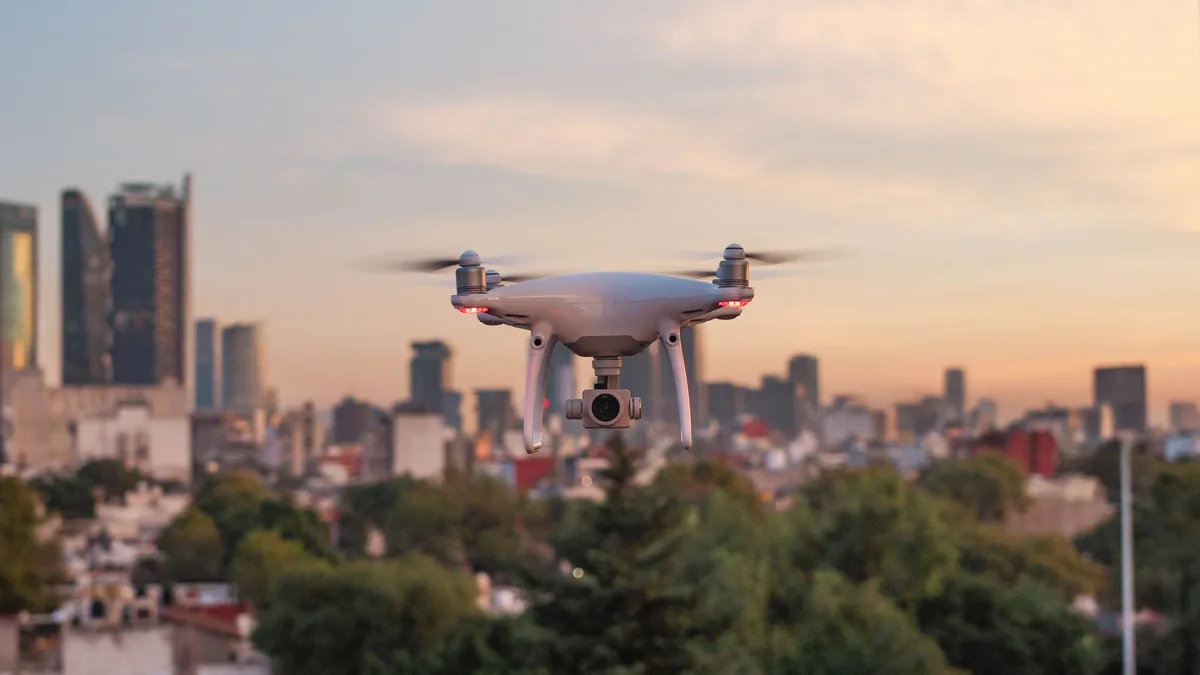
This case underscores escalating scrutiny of police drone operations. Operating under emergency exemptions does not remove basic safety obligations. Visual line-of-sight hazard checks remain paramount, especially when deploying aircraft in residential areas.
Unanswered Questions on Training and Policy
Following the IOPC statement, sUAS News submitted questions to Kent Police. The publication seeks clarification on several operational aspects directly tied to the incident and broader police drone use.
The questions focus on training duration, safety revisions, and platform deployment policies. Specifically, sUAS News has asked about the length of the officer's drone training course, including both theoretical and practical components.
It also inquires whether any operational or curriculum changes have been made as a direct result of this crash. Furthermore, the outlet questions if policy changes are being considered regarding the scale of aircraft officers can initially deploy.
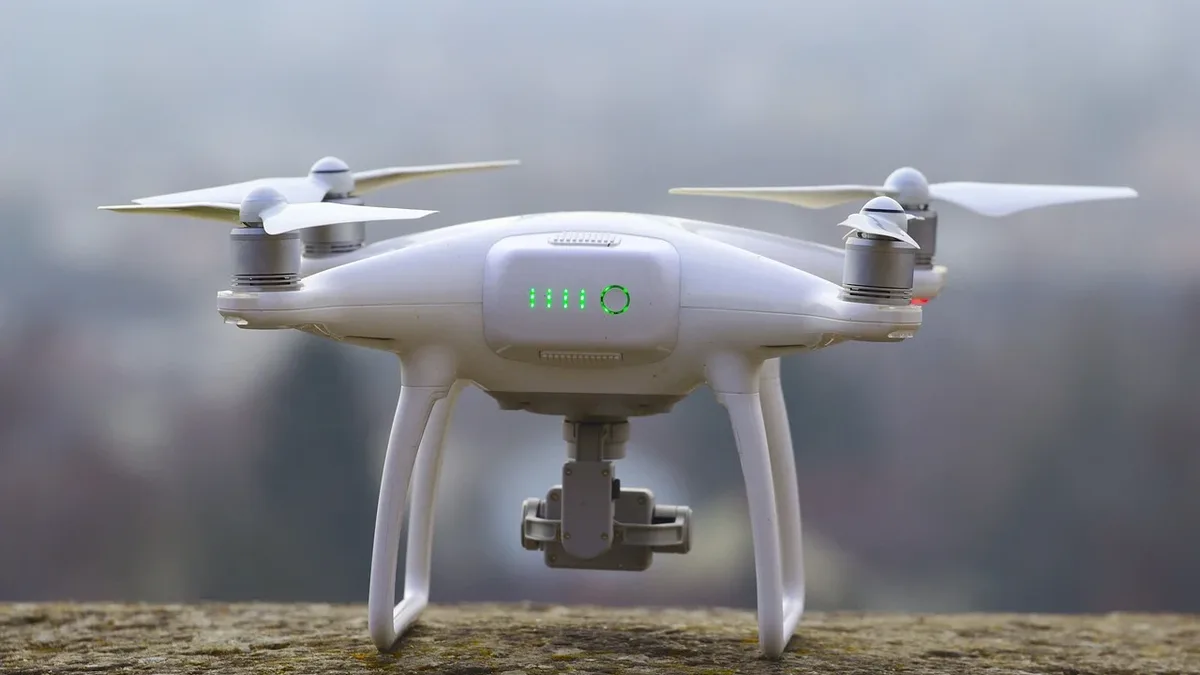
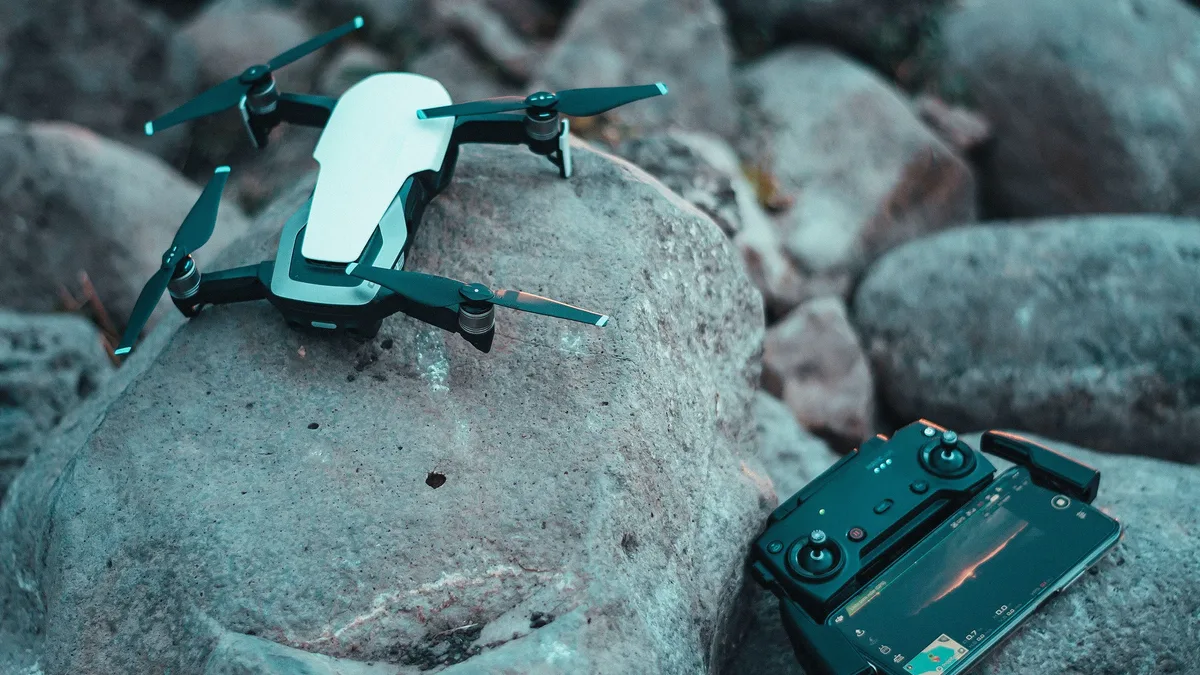
For instance, this could involve requiring pilots to log hours on smaller platforms like a DJI Mavic before operating heavier enterprise drones. Kent Police had not responded to these inquiries at the time of the IOPC's announcement.
Broader Implications for Police Drone Units
The outcome highlights ongoing concerns regarding the operational discipline of National Police Chiefs’ Council (NPCC) drone units. The transition from a misconduct notice to a scheduled hearing marks a formal step in holding the officer accountable.
This incident serves as a stark reminder. Proper risk assessment is non-negotiable. The case will likely influence discussions on standardizing pre-flight procedures for all police drone deployments, regardless of the perceived urgency of the situation. sUAS News will update its reporting when Kent Police provides a response.