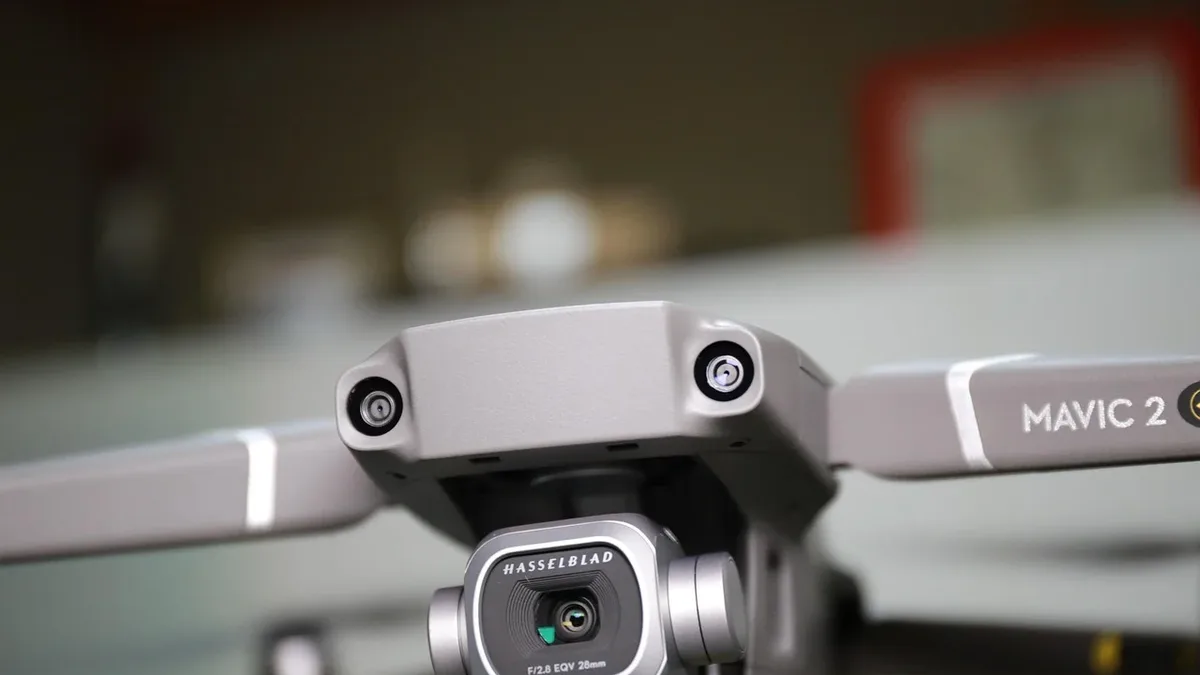
Terra Drone Develops Peacetime C-UAS for
Terra Drone Corporation is developing a Counter-Unmanned Aircraft System to protect civilian critical infrastructure from drone threats, adapting defense
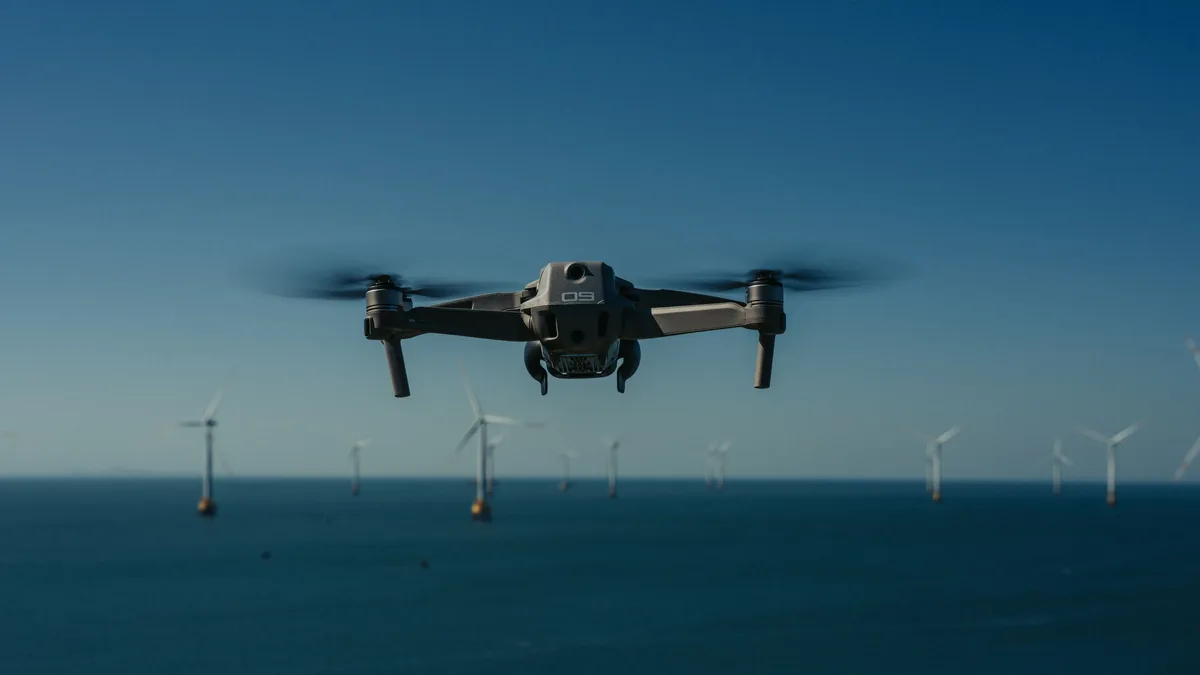
Terra Drone Corporation has begun developing a Counter-Unmanned Aircraft System designed for peacetime protection of critical infrastructure. The Japanese drone and Urban Air Mobility technology company announced the system will defend facilities like oil refineries, power plants, airports, and ports from intrusion and attacks by malicious drones.
The system will build upon technologies Terra Drone is already creating for defense applications. These include interceptor drones, autonomous flight systems, AI-based target tracking, sensor integration, and command-and-control platforms. The firm plans to adapt these into an integrated solution optimized for the safety and operational needs of civilian sites.
The Growing Drone Threat
Drone threats are expanding beyond military conflict zones. As drones become more affordable and capable, they pose a tangible risk to the infrastructure underpinning economic and social activity. The source report cites incidents from the Russia-Ukraine war that demonstrate how the impact of drone operations can spill across borders.
In Moldova, attacks on Ukrainian energy infrastructure led to the shutdown of the Vulcănești-Isaccea transmission line, a key power link. Drone debris also complicated restoration work. In Romania, a maritime drone exploded near an oil storage facility at the Port of Constanța. Another was neutralized near the Neptun Deep offshore gas project.
These events show that protection cannot be a reactive measure activated only after a crisis begins. According to the source, permanent protection and rapid-response capabilities need to be established during peacetime. This backdrop prompted the European Commission to publish its "Action Plan on Drone and Counter-Drone Security" in February 2026.
System Capabilities and Design
Terra Drone's C-UAS will be an integrated solution for detecting, identifying, and tracking suspicious drones in low-altitude airspace around critical sites. The system will respond using interceptor drones and other countermeasures where necessary.
Key development areas focus on a layered approach. Detection will integrate radar, RF, and EO/IR sensors. Command-and-control capabilities will fuse data from these multiple sensors to support threat assessment. Interceptor drones will utilize high-speed flight and autonomous navigation guided by AI. The design will combine non-kinetic measures like electronic disruption with kinetic measures including interceptors.
System design will be tailored to each facility's specific terrain, safety requirements, and operating environment. It will also leverage Terra Drone's expertise in Unmanned Aircraft System Traffic Management for airspace management.
Civilian critical infrastructure presents unique challenges. These sites are often surrounded by employees, residents, vehicles, and other third parties. Consequently, Terra Drone emphasizes that development will focus not just on interception capability. Operational safety, prevention of unintended engagement, reduced operator workload, and integration with existing security systems are also priorities.
Market Context and Development Path
Terra Drone states its global business across industrial drones, infrastructure inspection, and UTM positions it for this development. Protecting critical infrastructure requires more than a standalone interceptor. Detection, decision-making, response, and airspace management must work as one system, similar to how a cohesive squad operates on the pitch.
The company aims to combine its defense technology development with operational and safety management expertise from its civilian businesses. The goal is to establish a continuous low-altitude protection platform.
Market demand is driving expansion. The C-UAS market is growing beyond defense and government applications to include airports, ports, energy facilities, and privately operated sites. The source cites a MarketsandMarkets forecast, which is attributed to that firm.
The report states: "MarketsandMarkets forecasts that the global C-UAS market will grow from USD 6.64 billion in 2025 to USD 20.31 billion by 2030, representing a compound annual growth rate of 25.1%." This projected growth trajectory is as steep as some of the most dramatic climbs seen in league standings.
Terra Drone will advance its interceptor-drone technologies while collaborating with infrastructure operators, sensor companies, and governments on demonstrations. Initial target sectors include oil and gas, electric power, airports, ports, telecommunications, logistics, and data centers. The long-term aim is global deployment of the platform for continuous peacetime protection.