
Skydio
| Manufacturer | Skydio |
|---|---|
| First created | 2010s |
| Country of origin | United States |
| Original use | Autonomous consumer and enterprise photography |
| Type | Autonomous quadcopter |
| Key feature | Obstacle avoidance |
| Control method | Smartphone app, optional controller |
Origin and history
Skydio is an American drone manufacturer founded in the 2010s. The company originated in the United States, specifically from the San Francisco Bay Area in California. It was established by a team of engineers from MIT and other technology backgrounds, focusing on autonomous robotics. The company's founding coincided with a period of significant advancement in computer vision and machine learning applications for consumer products. Its creation was a direct response to the limitations of existing consumer drones, which required substantial pilot skill to avoid obstacles. The historical context places Skydio within a wave of startups aiming to leverage artificial intelligence for practical, real-world navigation.
What it is designed for
This drone model is primarily engineered for autonomous flight and obstacle avoidance in complex environments. It is designed for users who need to capture dynamic, follow-me footage without piloting each maneuver manually. The core design purpose is to serve as a "flying camera" that intelligently navigates around trees, buildings, and other objects while tracking a subject. Its applications are heavily geared towards outdoor recreation, such as biking, skiing, hiking, and other action sports. Furthermore, the design has been adapted for professional use in enterprise sectors like infrastructure inspection, public safety, and construction. The fundamental design principle is to remove the pilot from the direct flight loop for complex navigation, relying instead on its computational vision system.
Development and versions
Initial development focused on creating a robust visual perception system using multiple camera sensors for 360-degree environmental mapping. The first commercially released model, the Skydio R1, debuted in the late 2010s and established the company's reputation for unprecedented autonomy. Subsequent generations, like the Skydio 2, significantly refined the form factor, reduced cost, and improved user accessibility while maintaining core autonomous features. The Skydio 2+ iteration offered incremental software and hardware enhancements, such as improved tracking algorithms and beacon connectivity. A major development shift occurred with the Skydio X2, a rugged, enterprise-focused drone built for commercial and government applications with dual visual and thermal imaging capabilities. The software development has been continuous, with updates regularly expanding autonomous flight modes, subject recognition, and operational reliability.
Skydio review
Reviewers highlight that the primary value proposition is realized in dynamic outdoor scenarios where the pilot becomes a subject rather than an operator. Critiques often mention the drone's reliance on good visual conditions, as the vision-based navigation system can struggle in low light, over water, or around fine obstacles like wires. The flight experience is described as confident for autonomous tracking but sometimes less responsive or precise in full manual piloting mode compared to traditional drones. Battery life is typically reviewed as adequate for its purpose but not exceptional within the broader market, limiting continuous flight times. The mobile app and controller interfaces receive praise for simplicity in autonomous use but some criticism for lacking the granular control options desired by professional cinematographers.
Overview
The Skydio drone is defined by its array of navigation cameras, typically six, that provide a spherical view of its surroundings for real-time 3D mapping. It operates on a proprietary artificial intelligence engine that processes this visual data to predict trajectories and avoid collisions autonomously. The airframe is a compact quadcopter design, prioritizing a balance between portability and the need to house the extensive sensor suite. Key operational features include subject tracking, dynamic scene scanning, and programmable flight paths that leverage its understanding of the environment. The system is a closed ecosystem, with the drone, software, and controllers designed to work exclusively together for optimized performance. Overall, it represents a distinct category of drone where autonomy is the primary feature, rather than a secondary aid to a human pilot.
What to know
Potential operators must know that the drone's exceptional autonomy is gated by regulatory rules that still require visual line-of-sight and prohibit fully unsupervised flight. You must understand that its obstacle avoidance, while advanced, is not infallible and has specific failure modes in environments with poor visual contrast or repetitive patterns. It is critical to know that flying near people, moving vehicles, or over crowds remains legally restricted and ethically risky, regardless of the drone's technical capabilities. Users should be aware that data processing and storage, particularly for enterprise models, may be subject to specific security and compliance requirements. Knowledge of local airspace regulations, including geofencing and altitude restrictions, is essential before flying in any location. Furthermore, the warranty and repair policies are notably strict, often requiring factory service for even minor physical damage due to the integrated nature of the sensor system.
Common questions
A common question is whether the Skydio drone can follow a car from inside the vehicle, which is generally not recommended due to signal blockage and legal restrictions on operating from a moving vehicle. Users frequently ask if it can track multiple subjects simultaneously, a feature that has been introduced in later software updates allowing for switching between predefined subjects. Many inquire about its performance in rain or snow, and the official guidance is to avoid precipitation as the drones are not waterproof and moisture severely impacts the vision sensors. People often question the need for the dedicated beacon or controller, which are essential for maintaining a strong radio link and control in areas with GPS interference or complex radio environments. There are recurring questions regarding the export and use of the enterprise models, which are subject to U.S. government regulations due to their advanced sensing technology. Finally, potential buyers commonly ask about comparison to major brands like DJI, with the key differentiator being Skydio's focus on autonomy versus DJI's broader ecosystem and camera quality.
Pros and cons
The con is that this can lead to over-reliance, where users push into legally or physically risky situations believing the technology is foolproof, which it is not. A genuine advantage is the time saved for enterprise inspectors or content creators who can focus on the shot or data rather than meticulous piloting. A common regret stems from buyers who primarily want a stable aerial photography platform for open spaces and find the premium for autonomy unnecessary compared to more camera-focused drones. The frequent mistake is attempting to use it for indoor flight or in areas with many fine, transparent, or highly reflective surfaces where the navigation system reliably fails. Another concrete downside is the ecosystem lock-in, with expensive proprietary accessories and a repair process that is often costly and time-consuming compared to more modular drones.
Who it suits
This drone model best suits outdoor sports enthusiasts and adventurers who are active participants and want high-quality, dynamic footage of themselves without a dedicated camera operator. It is highly appropriate for solo content creators in fields like action sports, real estate, and outdoor education who need to be both subject and director. Enterprise operators in infrastructure inspection, such as for cell towers, bridges, or power lines, benefit greatly from its ability to navigate complex structures autonomously for repeatable data capture. Public safety agencies, including fire and rescue or law enforcement, find value in its ability to provide rapid situational awareness in difficult-to-navigate disaster or search sites. It is less suited for traditional aerial photographers and videographers whose work requires specific, manually-flown camera paths, maximum camera sensor quality, and open ecosystem flexibility. It is also a poor fit for beginners on a tight budget or those who primarily fly in wide-open spaces where advanced obstacle avoidance provides little practical benefit.
Latest Skydio news
Latest reporting
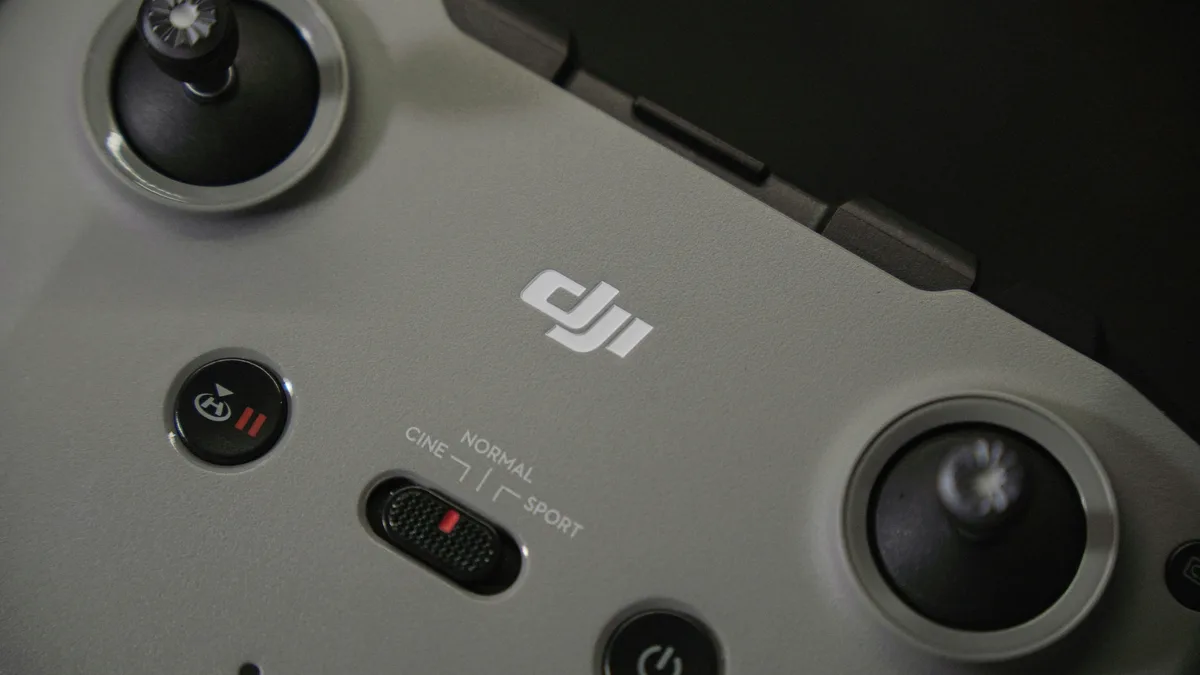
Skydio Controller 2 ships with brighter screen and 5G
Skydio's new Controller 2, now shipping, features a 7-inch sunlight-readable touchscreen, 5 hours and 45 minutes of battery life, and supports...
Axon Invests $1.2 Billion for Exclusive Skydio Public Safety Distribution
Axon will become the exclusive distributor of Skydio drones to public safety agencies in the US and Canada through a $1.2 billion investment, gaining...
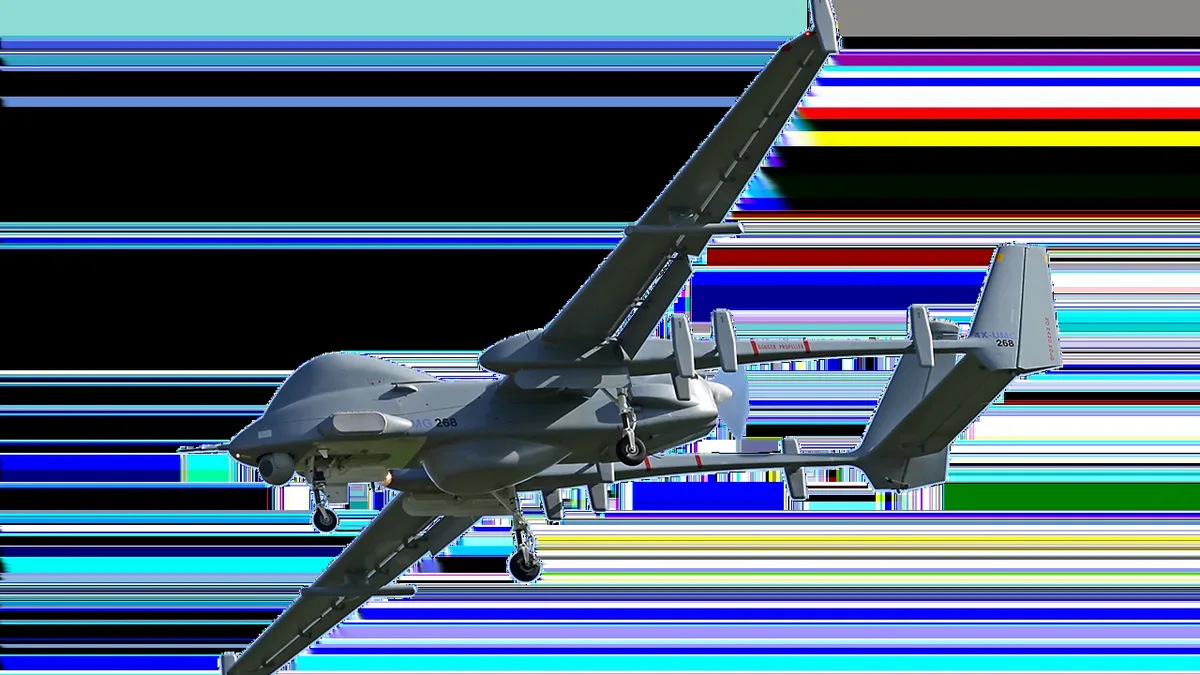
Skydio Launches F10 Lightrunner Fixed-Wing Drone
Skydio unveiled its first fixed-wing drone, the F10 Lightrunner, alongside the MegaDock robotic station and new command software.