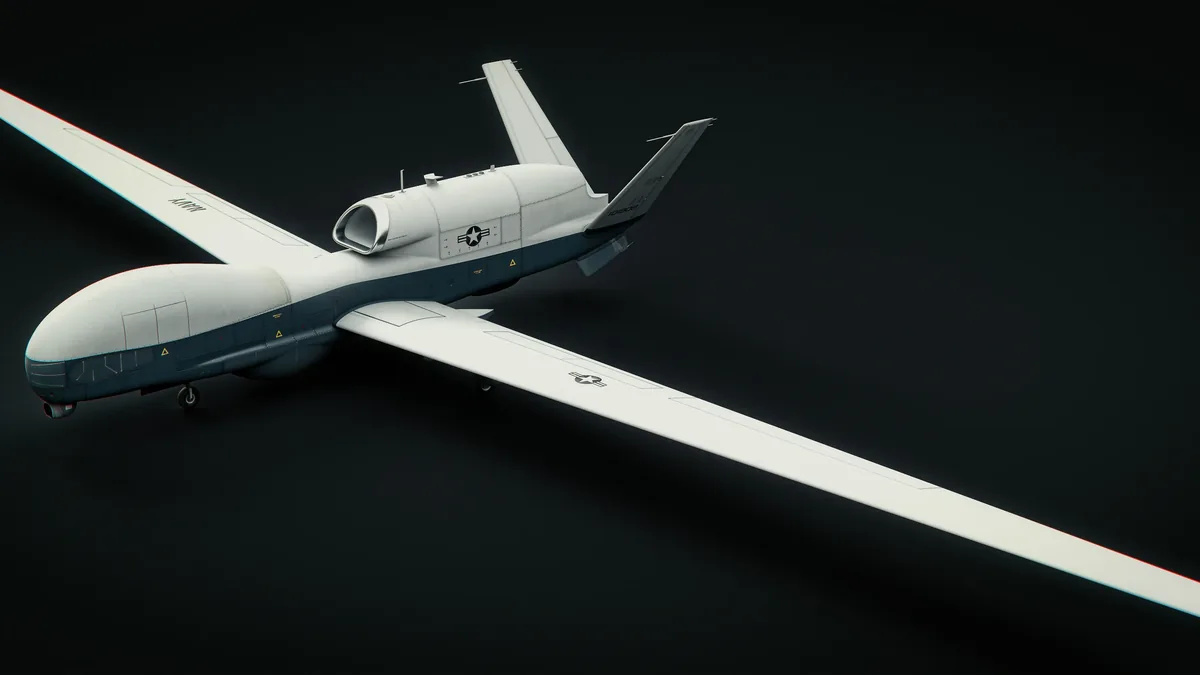
Long Endurance
Origin and history
The Long Endurance drone concept originates from the United States, with its foundational design principles emerging in the late 20th century. This development was driven by military and scientific research programs seeking persistent aerial surveillance capabilities. The core innovation was a shift from traditional, short-flight multirotor designs to fixed-wing aircraft optimized for minimal energy consumption. Early prototypes and research projects in the 1990s demonstrated the feasibility of solar-powered, high-altitude flight lasting multiple days. These efforts established the architectural template for subsequent commercial and specialized models. The term "Long Endurance" now describes a category of unmanned aerial vehicles defined by their exceptional flight duration, rather than a single manufacturer's product.
What it is designed for
Long Endurance drones are designed for missions where time aloft is the critical operational parameter, far exceeding the capabilities of standard commercial drones. Their primary function is to provide a persistent aerial platform for continuous data gathering over a wide area. Typical applications include large-scale agricultural monitoring, where they map crop health across thousands of acres in a single flight. They are employed for linear infrastructure inspection, such as pipelines, power lines, and railways, covering hundreds of kilometers without landing. Environmental agencies use them for wildlife population tracking, atmospheric sampling, and monitoring deforestation or ice melt. In security and border patrol roles, they offer uninterrupted wide-area surveillance that would require multiple rotations of shorter-range aircraft.
Development and versions
Development has branched along two primary technological paths: solar-electric and hydrocarbon-fueled systems. Solar-powered high-altitude pseudo-satellite (HAPS) versions are designed to fly in the stratosphere for months, leveraging sunlight to charge batteries for night flight. Conversely, lower-altitude tactical long-endurance drones often use conventional fuel engines or hybrid systems to achieve durations from 24 hours to several days. Various manufacturers globally have produced versions ranging from small, hand-launched models for tactical field use to large, runway-launched vehicles with wingspans exceeding that of commercial airliners. Iterations have progressively improved energy efficiency, autonomous flight software, and payload integration. Some versions are specialized for maritime patrol with corrosion-resistant materials and enhanced communication links, while others are optimized for heavy sensor payloads like synthetic aperture radar. The evolution continues to focus on reducing operational costs and increasing reliability for beyond-visual-line-of-sight (BVLOS) operations.
Long Endurance review
In operational review, Long Endurance drones excel in their core mission of duration but introduce significant complexity compared to standard drones. Their flight performance is characterized by stable, efficient cruise speeds rather than agility or high-speed dash capability. The payload capacity is often limited relative to the airframe size, as design priority is given to fuel or battery weight, which can constrain sensor options. Operational reliability is generally high for the airframe itself, but mission success is heavily dependent on sophisticated mission planning and atmospheric forecasting. Users report that the substantial initial investment is justified only when the mission profile fully utilizes the extended flight time, as the logistical overhead is considerable. Common points of failure in field reports often involve the complex power management systems or the specialized launch and recovery equipment, not the primary flight controls.
Overview
A Long Endurance drone is typically a fixed-wing unmanned aircraft system engineered for maximum flight duration, ranging from over 24 hours to several months. Its airframe is characterized by a high aspect-ratio wing for efficient lift, lightweight composite construction, and streamlined fuselage to reduce drag. The system includes not just the aircraft but also a ground control station, specialized launch and recovery equipment, and sophisticated communications datalinks for long-range control. These vehicles operate under specific regulatory frameworks that permit extended beyond-visual-line-of-sight flights, which are not granted for common multirotor drones. They are capital-intensive assets operated by enterprises, government agencies, or specialized service providers, not casual users. The operational paradigm shifts from frequent, short-duration sorties to infrequent, marathon missions that generate vast datasets.
What to know
Prospective operators must know that flying a Long Endurance drone is fundamentally a regulatory undertaking, gated by specific aviation authority certifications for extended BVLOS operations. Securing these flight permissions is a lengthy process requiring proven safety cases, detailed risk assessments, and often technological mitigations like detect-and-avoid systems. The logistical footprint is substantial, involving transport vehicles, launch apparatus like catapults or runways, and a trained crew for operations. Weather sensitivity remains, particularly for smaller models, as they must operate for long periods through changing atmospheric conditions. Data management becomes a primary challenge, as the sensors collect terabytes of information over a single mission that must be processed and analyzed. Insurance and liability considerations are of a different scale compared to standard drone operations, reflecting the greater kinetic energy and potential airspace conflict.
Common questions
A common question is how these drones can fly for so long, which is answered by their highly efficient aerodynamic design and dedicated propulsion systems that minimize energy consumption per mile. People often ask if they are autonomous, and while they fly pre-programmed missions autonomously, they remain under constant human supervision via telemetry with contingency plans for every phase of flight. Many inquire about cost, which is not a single figure but a system expense encompassing the air vehicle, ground control, sensors, training, and regulatory compliance support. A frequent operational question concerns how they land, which varies from automated runway landings and parachute systems to net recovery for smaller tactical models. Users commonly ask about payload compatibility, which is highly variable between models and usually involves custom integration of sensors like optical, thermal, hyperspectral, or radar systems. Another routine question involves communication range, which is extended through satellite links or relay networks, creating a command and control chain separate from the direct radio link used for smaller drones.
Pros and cons
The principal advantage is unmatched persistence, providing continuous coverage that eliminates the gaps inherent in multiple short flights and can make satellite revisit rates impractical. This capability often proves more cost-effective than manned aircraft for monotonous, wide-area observation missions over long periods. A significant drawback is operational inflexibility; once launched on a 20-hour mission, the drone cannot be easily recalled or repurposed for a new, urgent task nearby without aborting the entire sortie. Users frequently regret the choice when they underestimate the regulatory and logistical burden, leaving an expensive asset grounded while awaiting flight approvals. The common mistake is purchasing the platform for its endurance spec without a dedicated mission profile and processing workflow that fully exploits the data it collects. Technical support and maintenance are highly specialized, leading to long downtimes if the manufacturer or a small pool of certified technicians is not readily accessible.
Who it suits
This technology suits government agencies and large enterprises with systematic, large-scale monitoring needs where data continuity is critical, such as national mapping organizations or utility conglomerates. It is appropriate for scientific research institutions conducting atmospheric studies, ecological surveys, or geological exploration in remote regions where traditional methods are logistically prohibitive. Maritime security and border protection units find value in their wide-area surveillance capability for coastal and frontier monitoring. It does not suit small businesses or individual operators due to the capital cost, regulatory complexity, and operational scale required. The platform is a poor fit for missions requiring frequent changes in target area, close-quarters inspection of structures, or operations in confined, complex environments like urban centers. It best suits organizations with dedicated aviation and data science departments capable of managing the entire lifecycle from flight authorization to actionable intelligence extraction.
Latest Long Endurance news
Latest reporting
Nellis AFB renews UNIFY.C2 counter-drone platform contract
Nellis Air Force Base has renewed its contract for the UNIFY.C2 Counter-small Unmanned Aircraft Systems Mission Command Platform after a successful...
KLM Defense's XROSSBAT Drone Offers One-Hour ISR From INR 4.99 Lakh
KLM Defense has launched the XROSSBAT, a tactical ISR drone with up to 59 minutes of endurance. Starting at INR 4.99 Lacs, its single airframe...
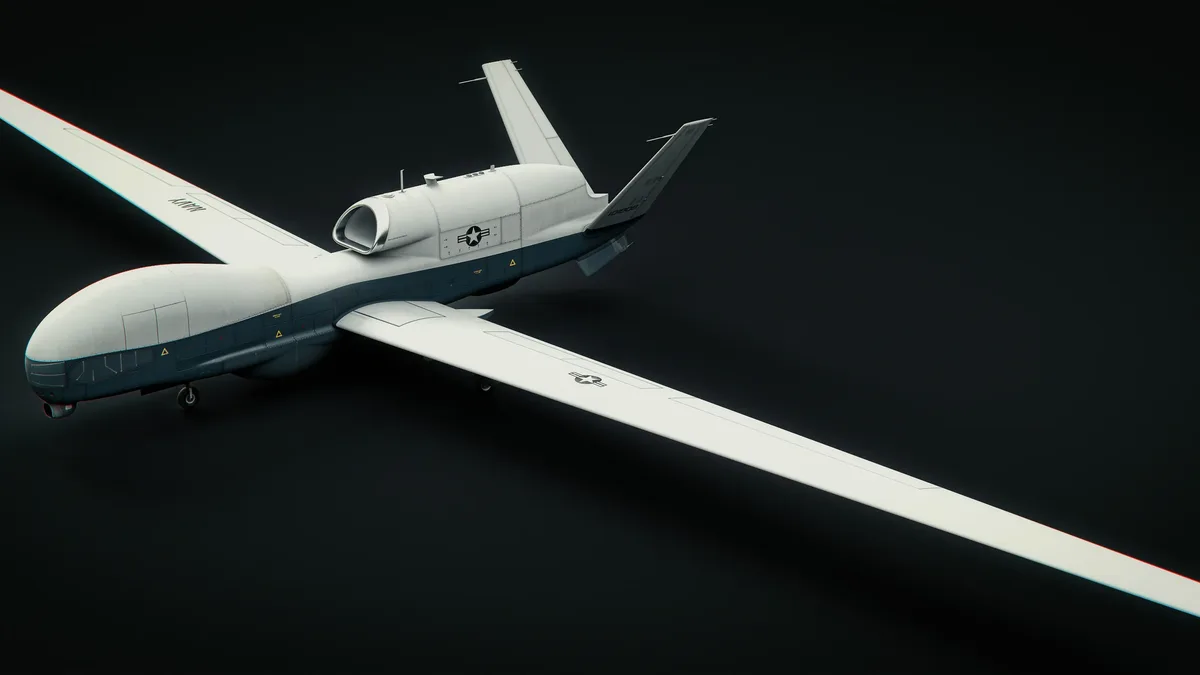
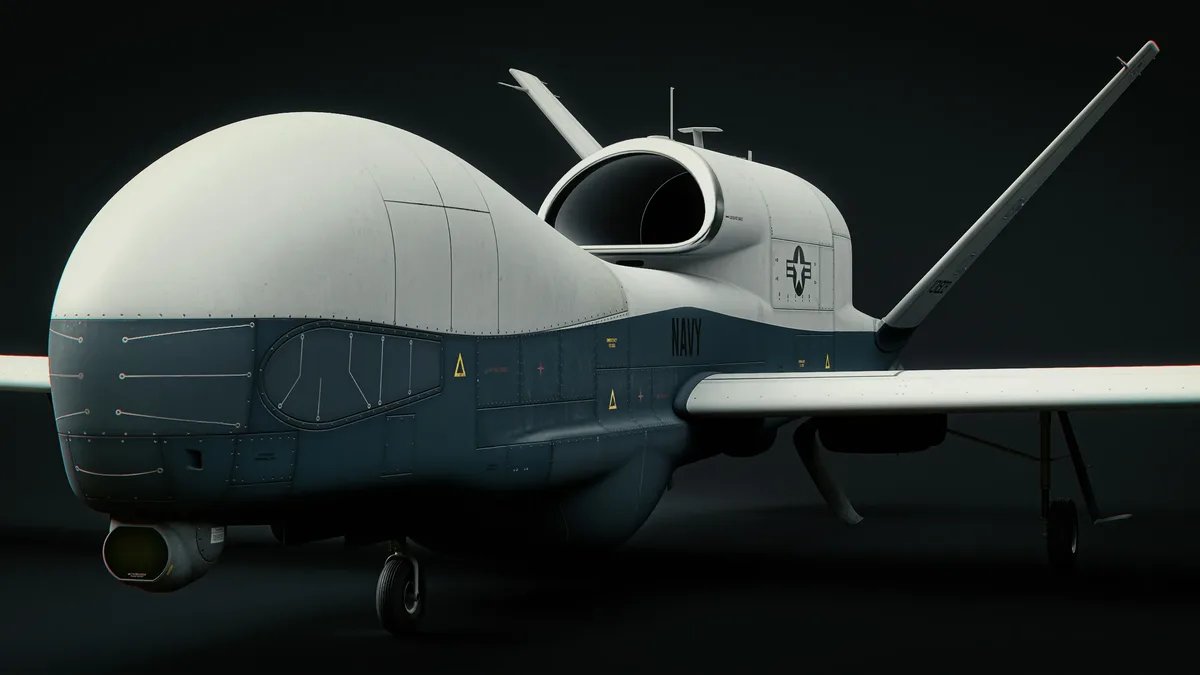
U.S. Army Drone Sets 300-Mile Endurance Record
A U.S. Army drone flew 300 miles over eight hours in a demonstration, with the performance submitted for a Guinness World Record.
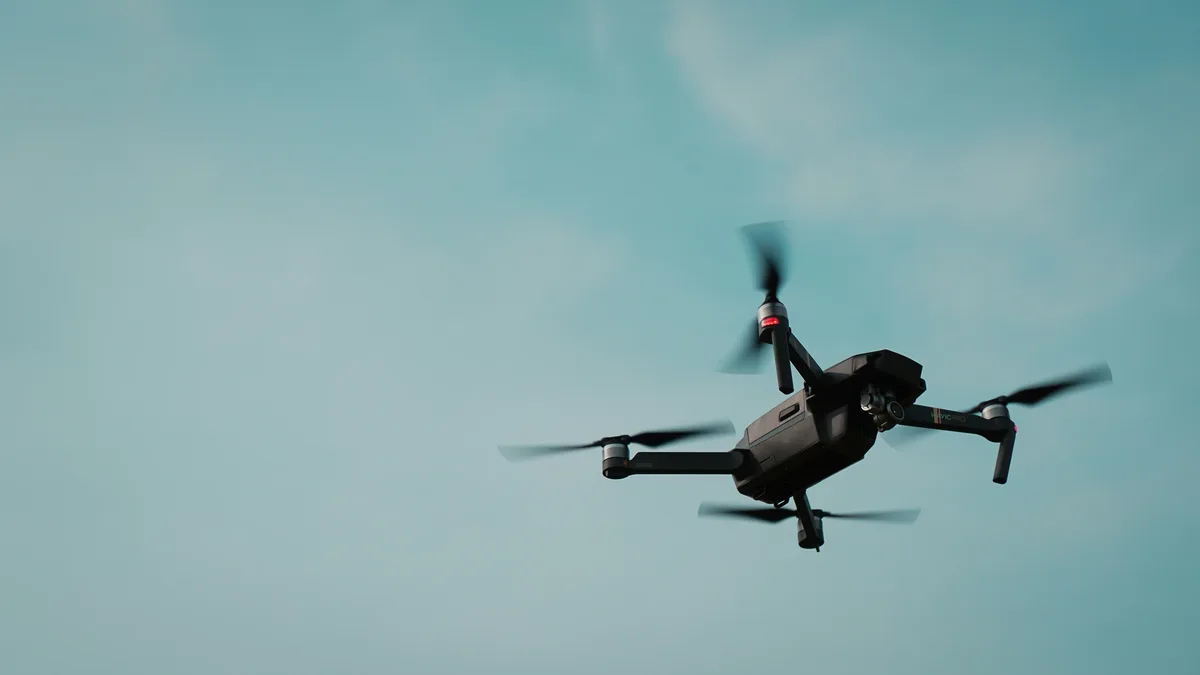
TEKEVER buys Flowcopter for drone propulsion
European drone company TEKEVER bought Scottish firm Flowcopter to use its hydraulic tech for building long-range drones for logistics and rescue.
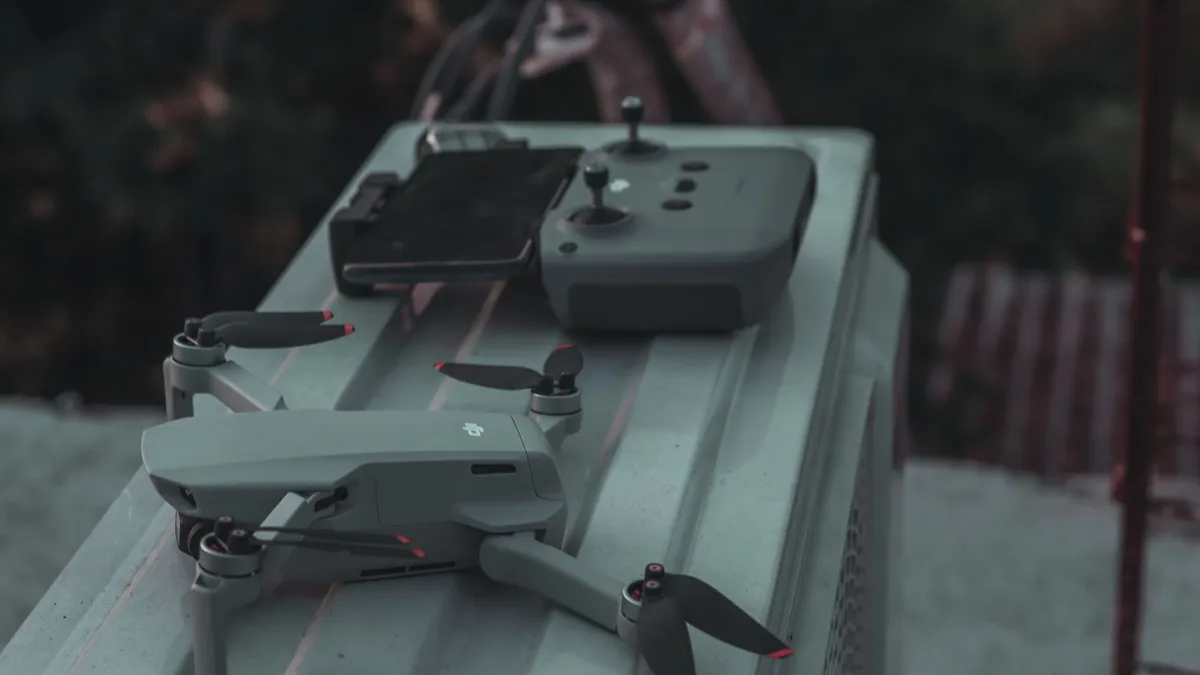
Aerodata Unveils AeroForce X Prototype for Complex Reconnaissance Missions
Aerodata AG has unveiled the AeroForce X prototype, a Medium Altitude Long Endurance unmanned aerial system for complex reconnaissance missions.
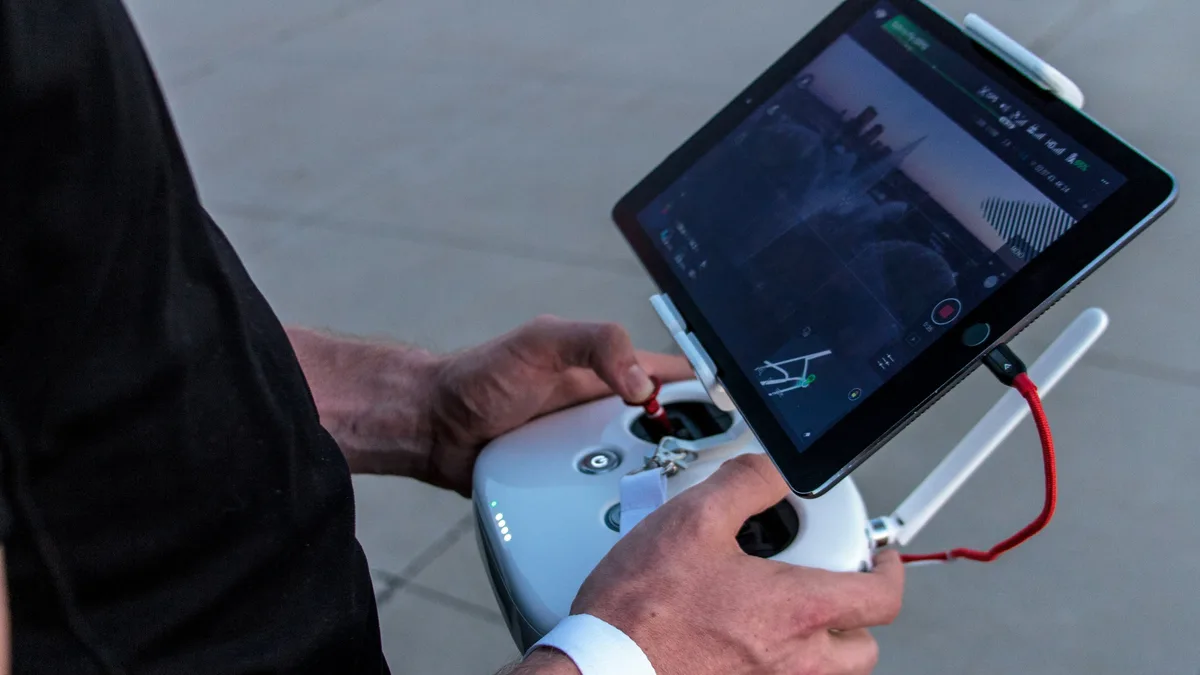
Federal Appeals Court Gives DJI Hope in Pentagon Blacklist Challenge
A US federal appeals court has ruled in favor of DJI, ordering a lower court to re-examine the Pentagon's decision to blacklist the drone maker...