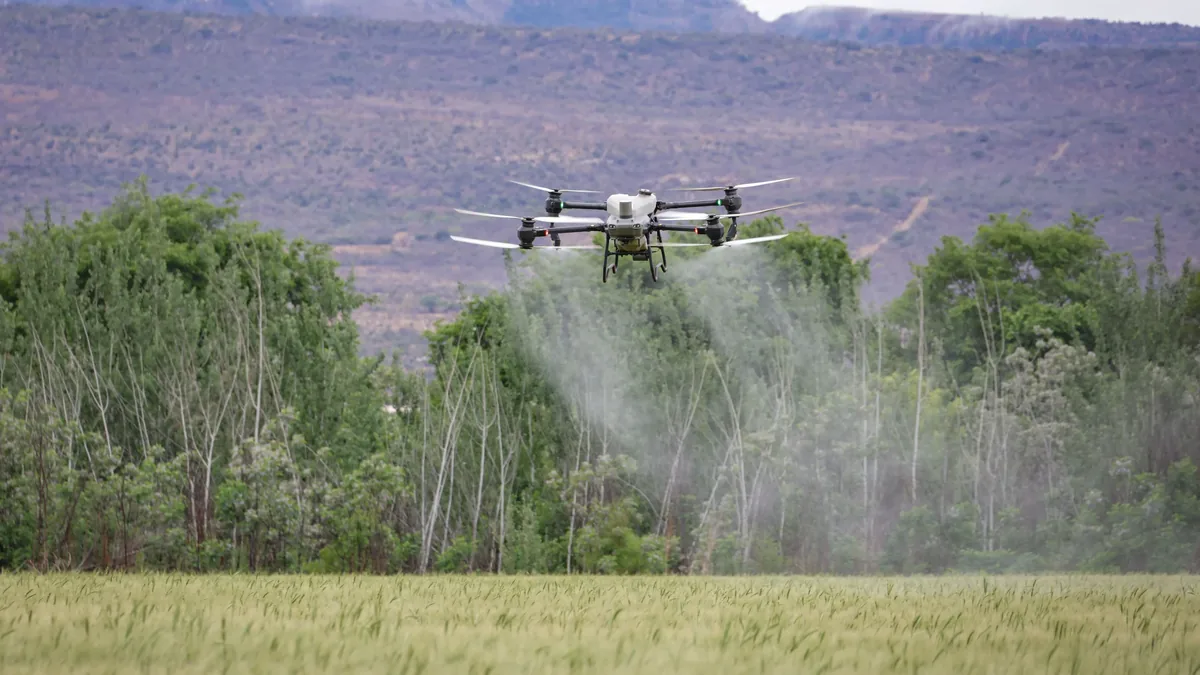
Spray Drones
Origin and history
Spray Drones originated from agricultural technology developments in East Asia during the early decades of the 21st century. The concept emerged as a practical response to the labor-intensive and hazardous nature of manual crop spraying and the high cost of traditional aerial application using manned aircraft. Initial development was heavily focused on adapting existing multi-rotor drone platforms, which were becoming more reliable and affordable, for the specific task of liquid dispersal. The technology's history is intertwined with advancements in battery energy density, precision GPS, and lightweight composite materials that made carrying meaningful payloads feasible. Its adoption spread first in regions with large-scale rice and fruit production, where terrain challenged ground-based machinery. The history of Spray Drones is therefore a narrative of convergence, where separate technological streams in robotics, agriculture, and aviation merged into a distinct equipment category.
What it is designed for
Spray Drones are designed for the precise aerial application of liquids, primarily agrochemicals like pesticides, herbicides, and fungicides, over agricultural land. Their core function is to replace or supplement traditional methods such as backpack sprayers, tractor-mounted booms, and manned agricultural aircraft. The design prioritizes the ability to operate in challenging terrain where ground machinery cannot easily traverse, such as steep hillsides, flooded rice paddies, or densely planted orchards. A key design objective is to minimize chemical usage and drift through precise GPS-guided flight paths and controlled droplet size, aiming for targeted application. Furthermore, they are engineered to reduce human exposure to potentially harmful chemicals by removing the operator from direct contact with the spray zone. Secondary design purposes have evolved to include the spreading of solid inputs like seeds or fertilizers, and the mapping of crop health using attached sensors.
Development and versions
Development has progressed from rudimentary adaptations of photography drones to dedicated, purpose-built aerial application platforms. Early versions often involved aftermarket attachment of tanks and spray bars to commercially available drone airframes, resulting in compromised flight stability and limited payload. Subsequent generations saw the integration of the spray system into the airframe design, with centrally mounted tanks for better balance and specialized, corrosion-resistant pumps and nozzles. Development split into distinct paths, leading to versions characterized by their propulsion systems: multi-rotor designs (typically quadcopters or hexacopters) for maneuverability and vertical take-off and landing, and fixed-wing versions for covering large, open areas more efficiently. Modern versions increasingly incorporate AI-powered obstacle avoidance, automated terrain following, and sophisticated spray drift mitigation systems like electrostatic charging. The development trajectory consistently focuses on increasing payload capacity, flight time, and the level of automation while ensuring regulatory compliance for airspace integration.
Spray Drones review
In practical use, Spray Drones are reviewed as highly effective tools for targeted, small-to-medium-scale application, but with significant operational limitations. Users report that their greatest strength is accessing difficult terrain without soil compaction or crop damage, often leading to yield improvements in previously under-serviced areas of a field. Reviewers consistently note the steep learning curve involved, not just in piloting but in calibrating spray systems, understanding droplet dynamics, and interpreting wind conditions to avoid off-target drift. Battery logistics present a major operational hurdle, as effective coverage of large areas requires numerous battery swaps and a substantial investment in charging infrastructure. The actual chemical efficacy is frequently reviewed as comparable or superior to ground spraying when used correctly, though achieving uniform coverage on the undersides of leaves remains a technical challenge. Overall, reviews position Spray Drones not as a wholesale replacement for all spraying methods, but as a versatile and precise tool within a integrated pest management strategy.
Overview
Spray Drones are unmanned aerial vehicles (UAVs) specifically engineered for the aerial distribution of agricultural inputs. They consist of a flight platform (airframe), a propulsion system, a navigation and control system, a payload tank, and a dispersal mechanism comprising pumps, lines, and nozzles. Their operation is governed by aviation regulations, which in most jurisdictions require specific certifications for both the operator and the aircraft when used commercially. The technology represents a shift towards precision agriculture, enabling variable-rate application based on digital maps and real-time sensor data. A critical overview must include the regulatory environment, which is a defining constraint on their use, dictating where, when, and how they can be flown. The overview of Spray Drones is incomplete without acknowledging them as a system that includes not only the hardware but also the software for mission planning, the regulatory framework, and the agronomic knowledge required for effective deployment.
What to know
Prospective users must know that regulatory compliance is the primary gatekeeper to legal operation, often requiring remote pilot certificates and specific operational approvals. It is crucial to understand that payload capacity is a direct trade-off with flight time; a drone carrying its maximum liquid load will have a significantly shorter operational duration per battery charge. Knowledge of nozzle types and droplet size spectra is essential, as this directly impacts spray coverage, drift potential, and the biological efficacy of the applied product. Operators should know that most agricultural insurance policies do not automatically cover drone operations and that specific liability coverage is a necessary business expense. It is important to know that water source logistics, having sufficient clean water for mixing and refilling, are a major practical consideration often overlooked in planning. Finally, one must know that data management, from flight logs for regulatory compliance to application maps for record-keeping, is an integral and time-consuming part of professional spray drone operation.
Common questions
A common question is whether spray drones are cheaper than hiring a traditional crop duster, which depends on scale; for small, irregular fields they can be more cost-effective, but for vast, contiguous acreage, manned aircraft often retain an economic advantage. Many inquire about the types of chemicals that can be applied, and while most common agrochemicals are compatible, users must verify chemical compatibility with the drone's tank and line materials to avoid corrosion or failure. A recurring question concerns the learning process, which typically involves both formal flight training for certification and extensive, supervised field practice to master application techniques. Users often ask about maintenance, which is more intensive than for consumer drones and involves regular cleaning of the spray system, inspection of seals and nozzles, and careful battery management. Finally, a very common question is about the actual coverage possible per day, which is highly variable but typically ranges from 50 to 150 acres per day for a single system, heavily dependent on field layout, payload, and battery logistics.
Pros and cons
The precision of GPS-guided swathing reduces both chemical overlap and skip areas, potentially lowering input costs and environmental impact. A major con is the system's vulnerability to wind, which can ground operations during critical application windows and, if ignored, lead to severe off-target drift and legal liability. Users often regret the initial purchase if they underestimate the substantial ancillary costs for extra batteries, charging stations, transportation, and regulatory compliance, which can double the effective investment. The common mistake is focusing solely on the drone's price and payload specs while neglecting the operational complexity of mixing, loading, and cleaning the spray system, which is labor-intensive and messy. Another concrete drawback is the physical and mental fatigue for the operator from constant battery swapping, refilling, and intense concentration during flight, which limits effective daily output.
Who it suits
Spray Drones suit agricultural producers managing small to medium-sized fields with challenging topography, such as vineyards, orchards, or terraced rice farms, where ground machinery access is limited or damaging. They are well-suited to custom applicators and agricultural service businesses looking to offer a niche, precision service to a cluster of local farms, rather than individual farmers covering vast monocultures. This technology suits early adopters who are comfortable with technology, willing to navigate regulatory paperwork, and committed to the ongoing learning curve of both flight operations and agronomic calibration. It suits operations focused on high-value crops where the cost of the technology can be justified by the potential for increased yield quality and reduced chemical expenditure through targeted application. Conversely, Spray Drones do not suit large-scale grain farmers with thousands of contiguous, flat acres, where fast-moving ground rigs or manned aircraft remain more time- and cost-efficient. They are also a poor fit for individuals seeking a simple, low-maintenance tool, as the operational demands are high and require a systematic, detail-oriented approach.
Latest Spray Drones news
Latest reporting
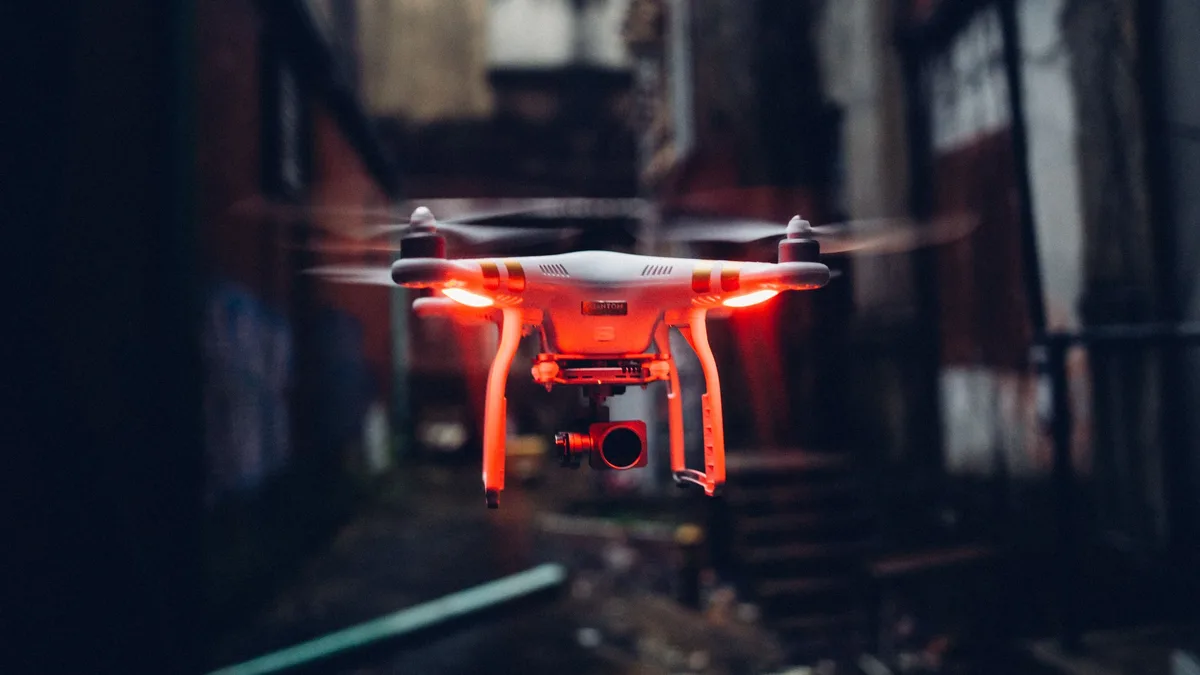
Axon Invests $1.2 Billion for Exclusive Skydio Public Safety Distribution
Axon will become the exclusive distributor of Skydio drones to public safety agencies in the US and Canada through a $1.2 billion investment, gaining...
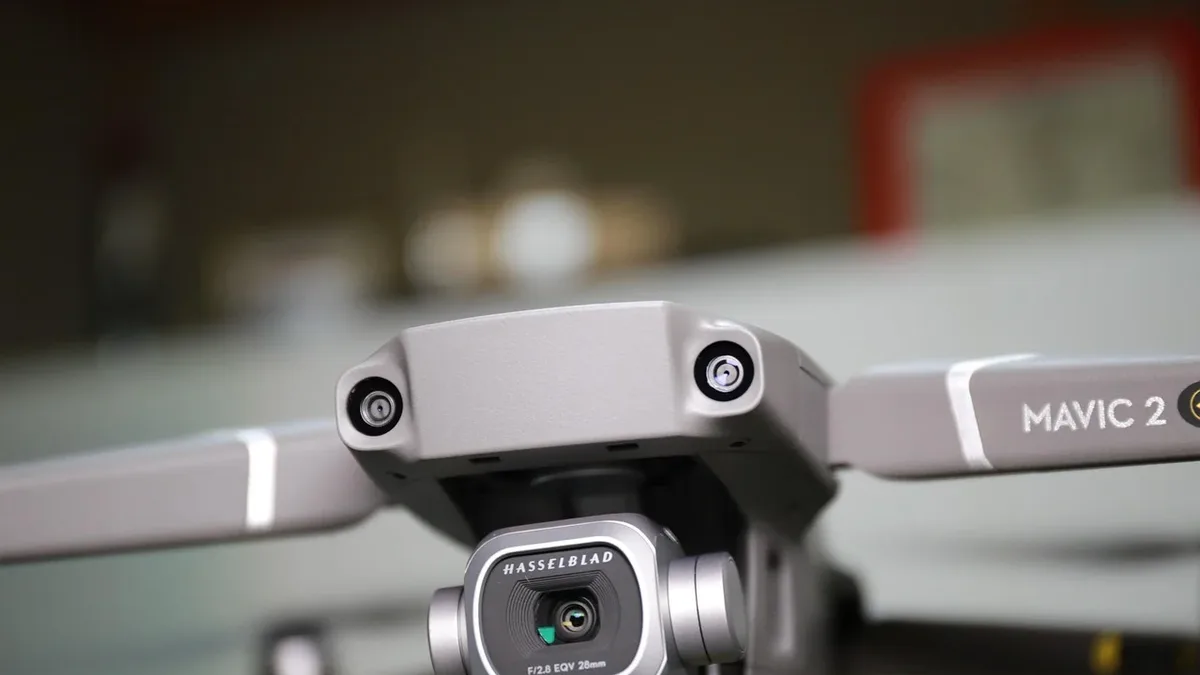
DJI Matrice 5T Drone Boasts 59-Minute Flight Time and Advanced Thermal Camera
DJI Enterprise's new Matrice 5T drone, launched November 5, 2026, offers up to 59 minutes of flight time and a high-resolution thermal camera for...
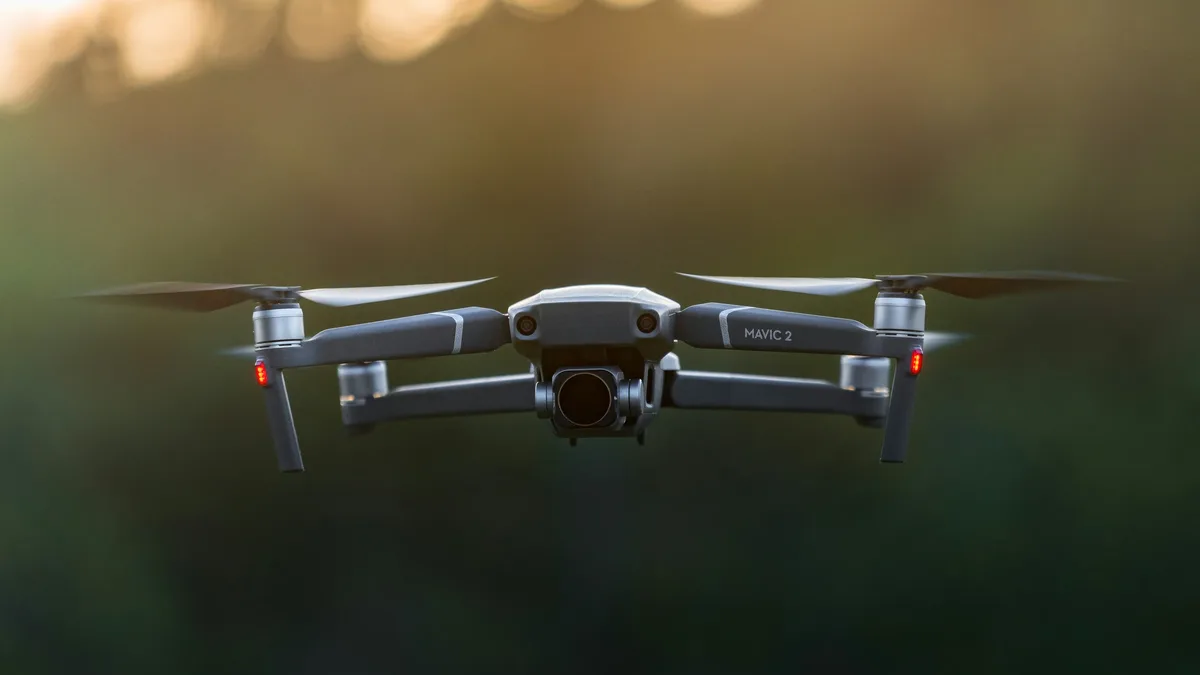
Primoco UAV Reports Strong Nine-Month Financial Growth
Primoco UAV posts a 69% revenue increase and begins developing a jet-powered interceptor, while Ericsson unveils a 5G-based system for detecting...
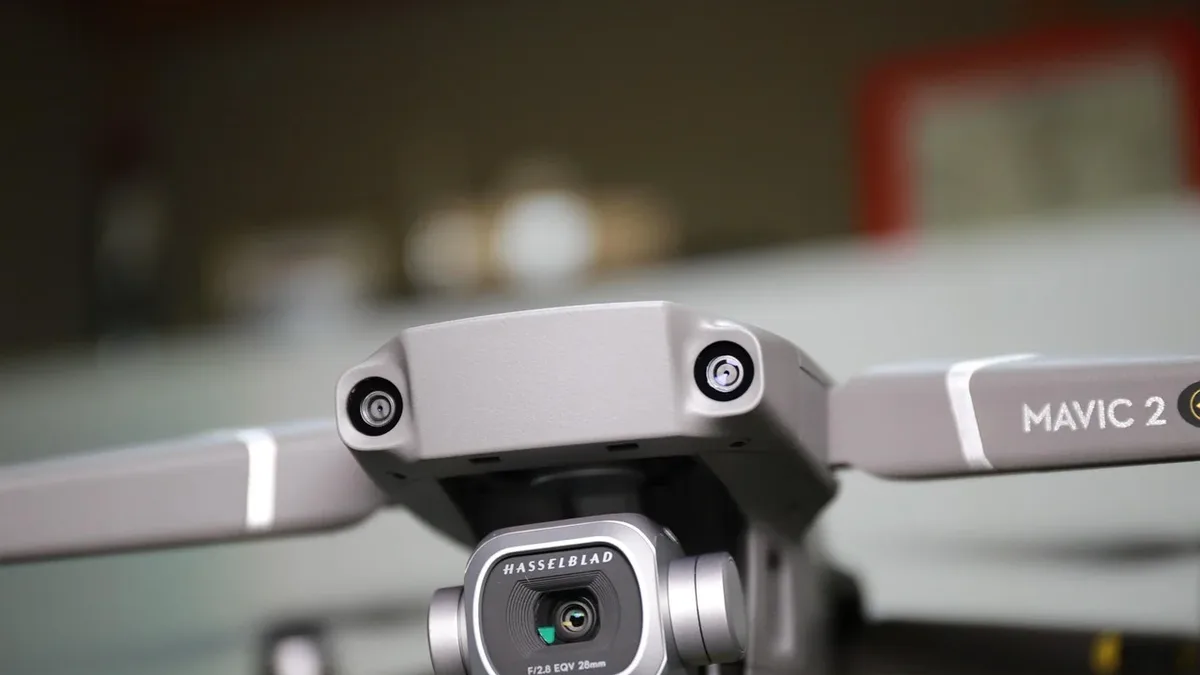
Senator Rick Scott Defends FCC's DJI and Autel Ban
Senator Rick Scott urges the FCC to keep DJI and Autel drones on its national security Covered List, citing a classified Pentagon report.
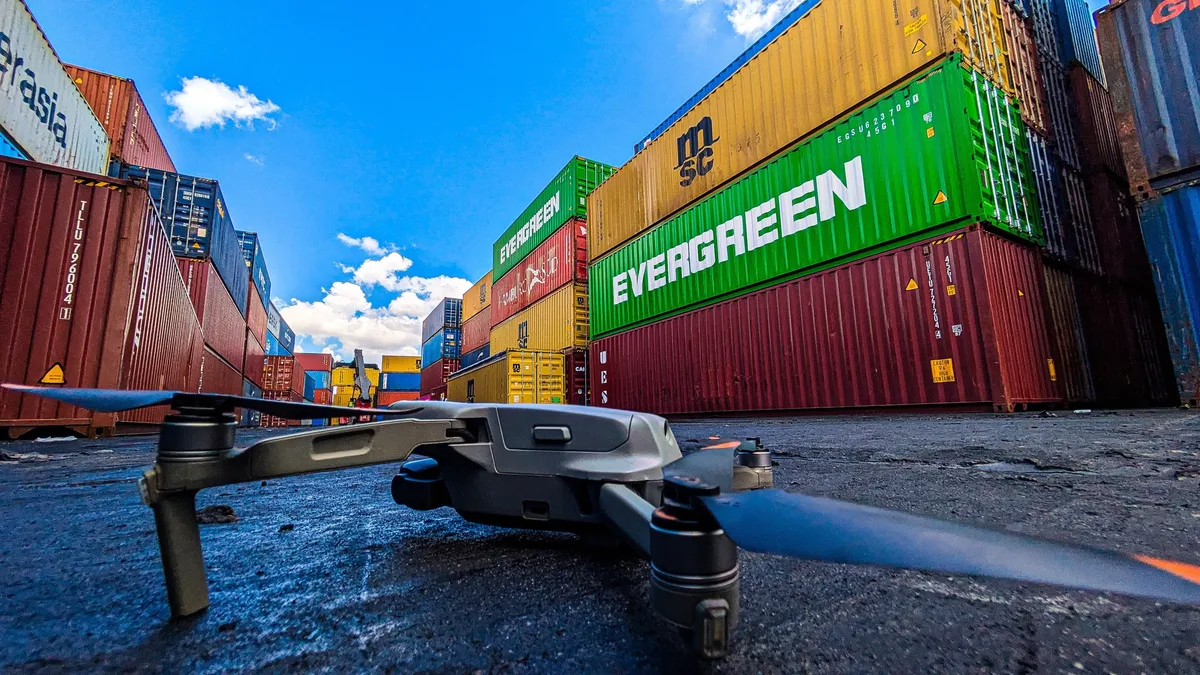
Percepto Launches Axion AI Platform for Infrastructure Inspection
Percepto launched Axion, a hardware-agnostic Physical AI platform, on October 27, 2026. The software-as-a-service platform integrates over 160 AI...
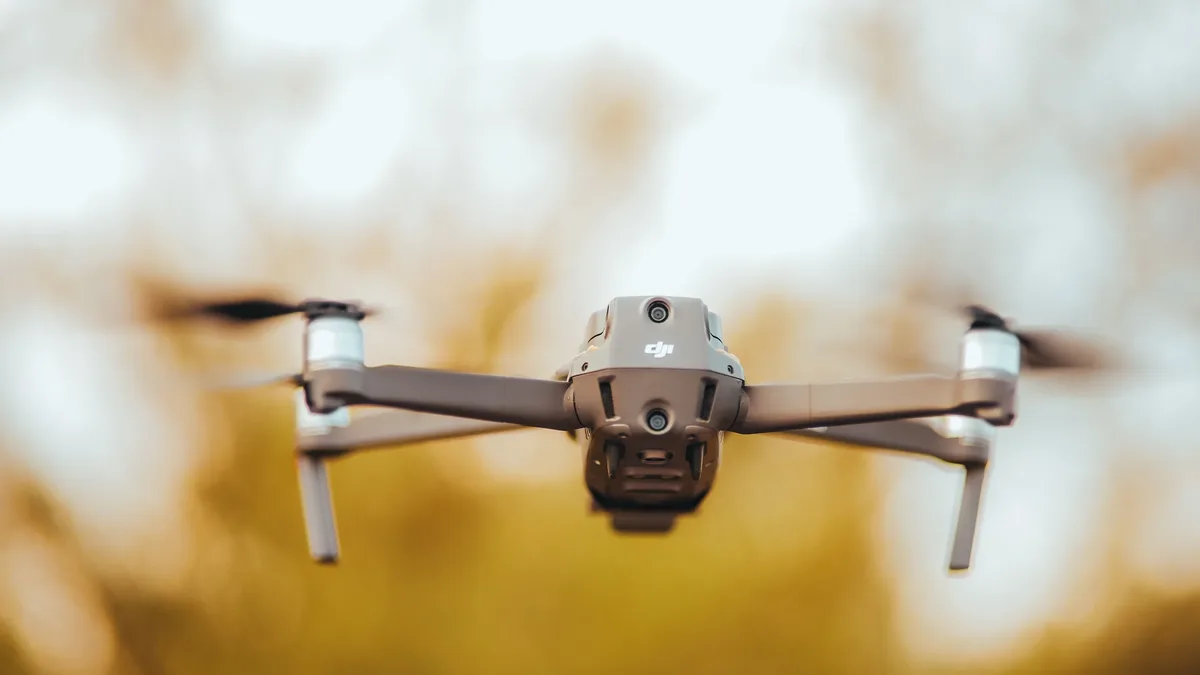
Autel EVO Lite Enterprise drones gain security and performance firmware update
Autel Robotics released a firmware update in October for its EVO Lite Enterprise drones, optimizing flight performance and online mapping while...