Powerus Signs $22.3M Counter-Drone Deal With Private Oil
Powerus secured a $22.3 million contract to supply its networked counter-UAS technology to a private Middle Eastern oil and gas company, marking a shift
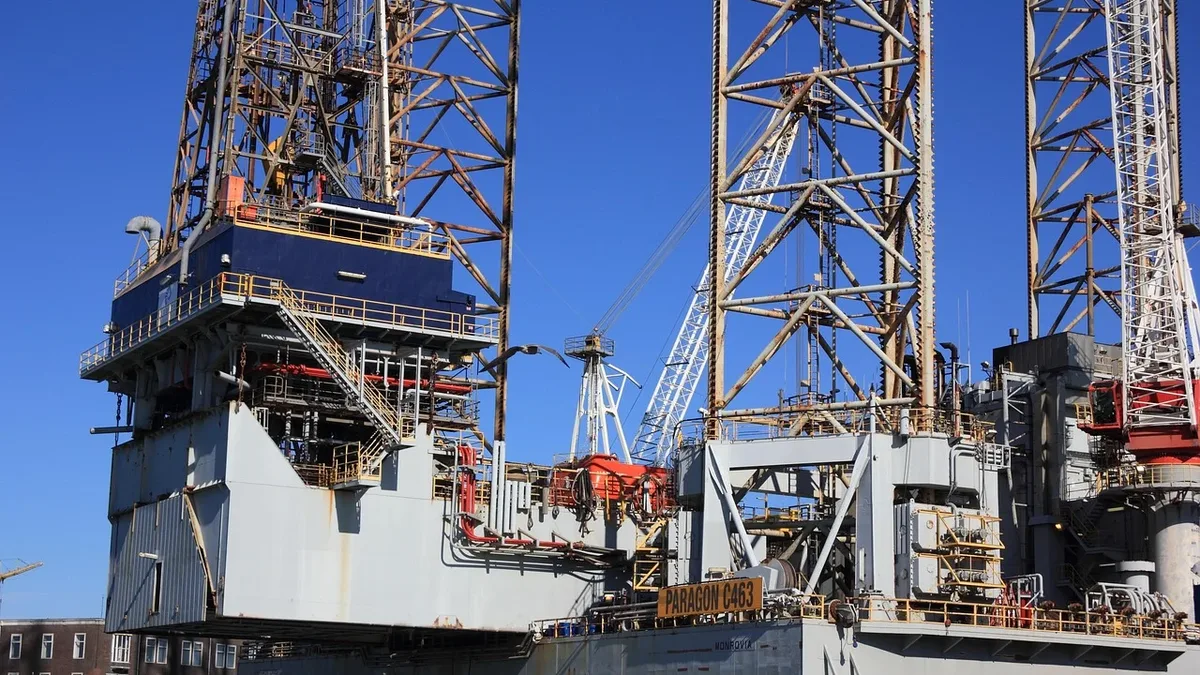
U.S. Autonomous systems company Powerus has signed a $22.3 million contract to provide counter-drone technology to a private oil and gas firm in the Middle East. According to a company press release, the deal covers networked systems for detecting, tracking, and classifying unmanned aerial threats to protect critical infrastructure.
Powerus CEO Brett Velicovich called the transaction a pioneering event. He stated that he was unaware of any previous scenario where commercial entities purchased military-grade counter-drone equipment independently for infrastructure protection. The customer's identity was not disclosed.
The system will deliver a unified operational picture through a command and control center, allowing operators to identify and assess potential drone threats. Powerus will also provide personnel with combat experience against enemy drones to help operate the systems. Deployment will occur in phases aligned with the customer's requirements.
Guardian Interceptor Expands System Capability
The initial deployment focuses on detection and identification. Velicovich explained the system's architecture is designed to later integrate Powerus's Guardian interceptor technology, enabling the physical defeat of hostile drones over facilities.
He linked the deal to broader industry trends, noting that conflicts in Ukraine and the Middle East have demonstrated the vulnerability of private infrastructure. Data centers, warehouses, and hotels have all come under recent drone attacks. "For centuries, people have put up fences and said that was good enough," Velicovich said. "Now companies are going to have to start putting up fences in the air."
The contract involves installing the baseline infrastructure for Powerus's full-stack sense-detect-and-defeat solution, developed in partnership with Digital Force Technologies. Velicovich said the integrated system was created at the urging of the Pentagon, which found that interceptors sent to Gulf States were useless without supporting radar and trained personnel.
Export Restrictions and Global Manufacturing
The equipment for this contract will be produced at Powerus's facility in North Carolina. The company had to adhere to stringent U.S. Export controls, with government approval required to ship the military-grade technology.
In other business areas, Powerus is establishing overseas manufacturing hubs. One recently opened in the United Arab Emirates assembles 3D-printed components to build interceptors for U.S. Military use. According to a New York Times report, affiliated factories produce about 3,000 drone interceptors monthly, with plans to expand a global network to reach 15,000 units per month by mid-next year.
Velicovich said this local manufacturing strategy aims to shorten supply chains and produce at scale near conflict zones. He contrasted it with building limited numbers of systems like Patriot missiles. The model aligns with a Pentagon procurement directive emphasizing production speed, itself influenced by Ukraine's strategy of rapid drone manufacture and deployment.
Competitive Edge in a Crowded Market
Powerus has worked with the Ukrainian drone industry since the war's onset. The Times reports its Guardian interceptor is based on a Ukrainian design effective against Russian Shahed drones.
Velicovich said this hands-on combat experience provides a competitive advantage when securing U.S. Government contracts. "We go into a meeting with 10 other competitors, and none of those competitors can say that their systems are being used in Ukraine," he stated. He considers battlefield use in Ukraine the gold standard for determining what works.