Search And Rescue
| Country of origin | United States |
|---|---|
| First created | 1950s |
| Original use | Military utility and observation |
| Airframe type | Single-engine, high-wing monoplane |
| Typical seating capacity | 1-2 crew, 4-6 total occupants |
| Cruising speed range | 120-150 knots |
| Endurance range | 4-8 hours |
| Payload capacity | Medium (varies by model and configuration) |
Origin and history
Search and Rescue as a formal operational use case for airframes originated in the mid-20th century, closely following the widespread adoption of helicopters for military and civilian purposes. Its development is not attributed to a single country but evolved from military combat search and rescue (CSAR) practices developed during the Korean War and the Vietnam War. These military doctrines demonstrated the life-saving potential of dedicated aerial platforms capable of precise insertion and extraction in hostile environments. Concurrently, civilian mountain and maritime rescue organizations in Europe, particularly in Alpine regions and coastal nations, began adapting aircraft for similar missions. The concept solidified as a distinct aviation discipline as specialized equipment and training protocols became standardized. The integration of electronic locating technologies in the latter decades of the 20th century further defined the modern search and rescue mission profile.
What it is designed for
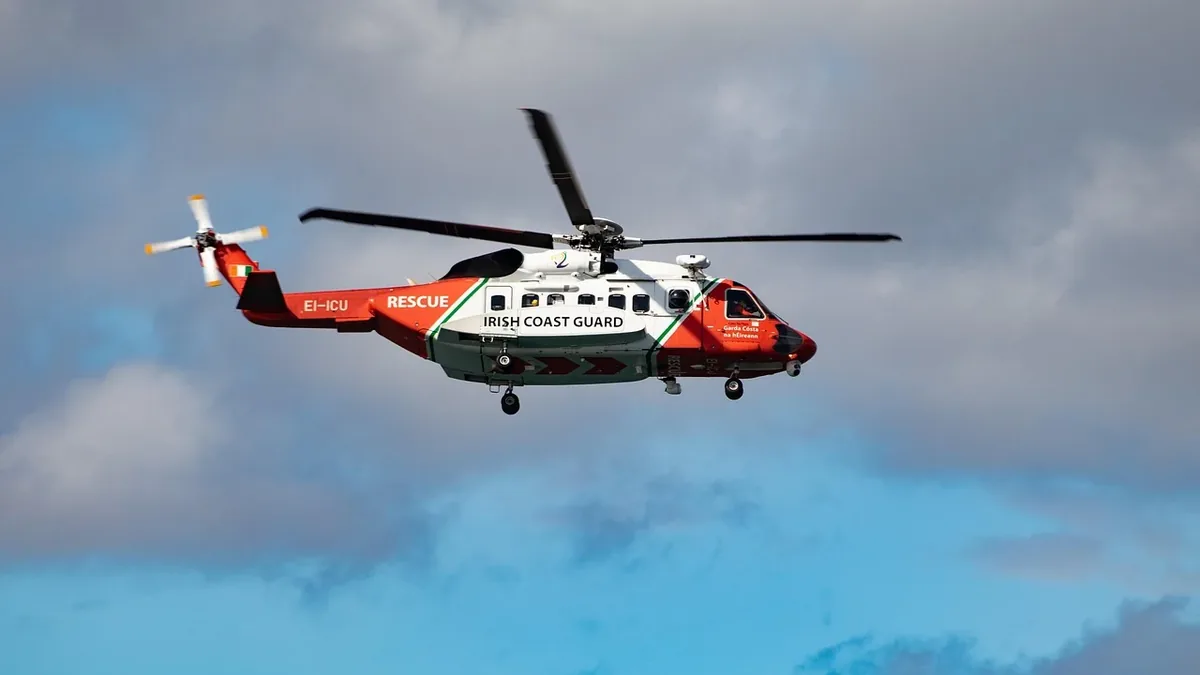
This use case is designed for the location, stabilization, and extraction of persons in distress where ground access is impossible, impractical, or dangerously slow. The primary objective is to deliver personnel and equipment to a precise location, often in complex terrain like mountains, forests, or open water, to provide immediate aid. The airframe serves as a mobile command platform, a sensor carrier for visual and electronic search, and a transport vehicle for rescue specialists and survivors. Missions are characterized by operations in adverse weather, low visibility, and often at the limits of the aircraft's performance envelope. The design encompasses not just flight but also hoisting, cargo slinging, and sometimes the delivery of surface assets like life rafts or paramedics. Ultimately, it is a system designed to reduce the time between incident and definitive medical care, directly impacting survival rates.
Development and versions
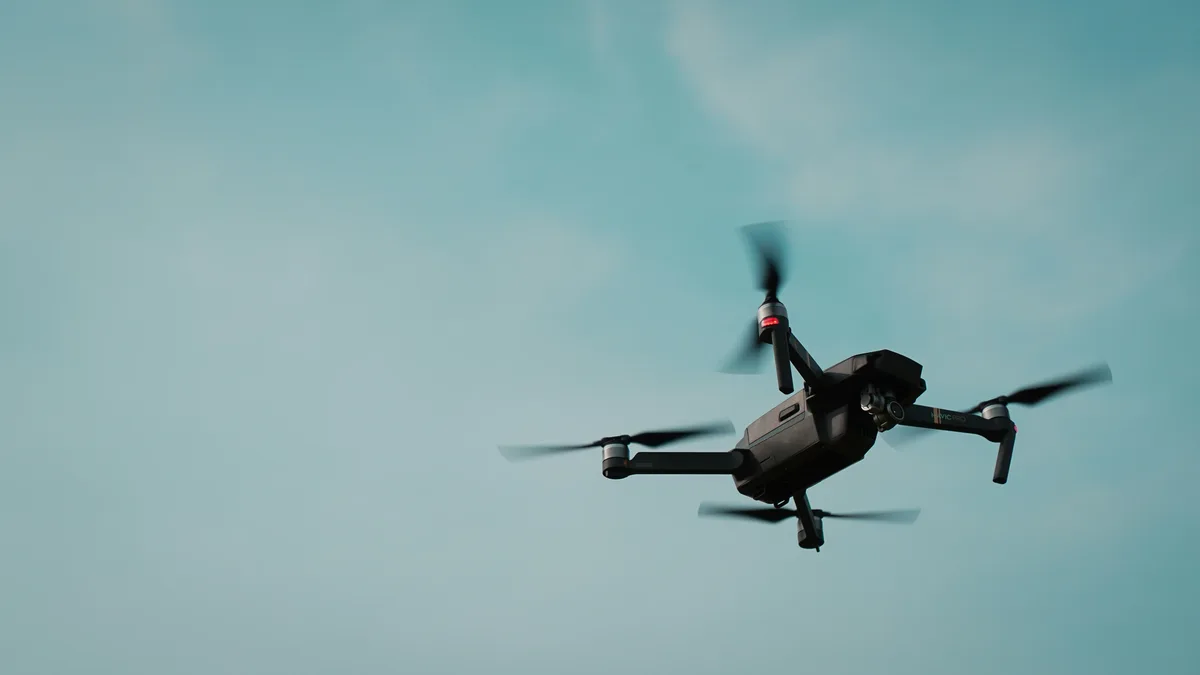
Early versions relied on standard utility helicopters with minimal modification, often employing simple hoists and relying heavily on crew skill. Dedicated military variants, like the USAF's Jolly Green Giant helicopters, introduced enhanced armor, self-sealing fuel tanks, and more powerful engines for high-threat environments. Civilian development led to versions equipped with advanced avionics for all-weather flight, extended-range fuel systems, and rescue-specific equipment like hydraulic rescue hoists and night vision compatibility. Modern iterations integrate sophisticated systems such as forward-looking infrared (FLIR) cameras, satellite communications, and automatic identification system (AIS) receivers for maritime targets. The use case has also expanded to include fixed-wing aircraft for wide-area search and high-speed transport of parachute-equipped rescue teams (e.g., PARA-SAR). Unmanned aerial vehicles are emerging as a new version, providing persistent surveillance in hazardous areas without risking a crewed platform.
Pros and cons
A primary advantage is the unparalleled speed and access it provides, enabling response to remote locations far quicker than any ground vehicle. The aerial perspective is invaluable for searching large areas and assessing terrain for safe approach paths. However, the cons are significant and inherent; these operations are exceptionally high-risk, exposing crews and aircraft to severe weather, unverified obstacles like power lines, and the physiological stresses of hoisting at altitude. A common mistake is task saturation, where crews become overwhelmed by the simultaneous demands of navigation, communication, systems management, and the rescue itself, leading to critical errors. Organizations often regret choosing an airframe without adequate performance reserves (e.g., power, lift capacity) for their specific terrain, as this leads to mission cancellations or dangerous marginal operations. The financial and logistical sustainment costs for true SAR-capable aircraft are immense, frequently underestimated by acquiring agencies.
Who it suits
This use case suits well-funded, specialized organizations whose core mandate is emergency response, such as national coast guards, air force rescue wings, and dedicated civilian mountain rescue associations. It suits operational contexts where the geographic area of responsibility includes significant inaccessible terrain or vast maritime territory, justifying the substantial investment. It is appropriate for agencies that can support the intensive, continuous training regimen required to maintain the perishable skills of pilots, crew chiefs, and rescue swimmers. This profile does not suit organizations with limited budgets or intermittent need, as the capability atrophies without constant use and investment. It best suits integrated systems where the airframe is one component of a larger network including ground teams, coordination centers, and other assets, as standalone aerial rescue is often insufficient.