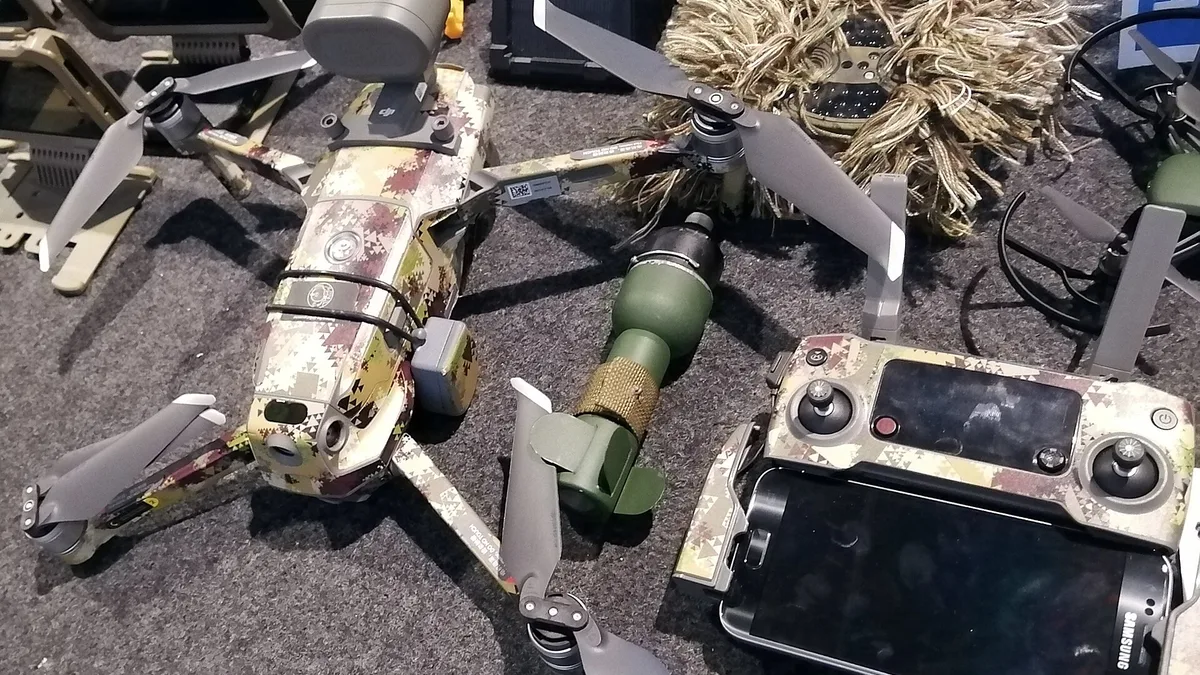
Dji Enterprise
| Manufacturer | DJI |
|---|---|
| Original use | Commercial and industrial applications |
| Weight class | Medium |
| Airframe type | Quadcopter |
| Maximum takeoff weight | Varies by specific model and payload configuration |
| Typical flight time | Varies by specific model and payload configuration |
| Gimbal system | Integrated, multi-axis |
Origin and history
DJI Enterprise originates from Shenzhen, China, as a specialized division of the consumer drone giant DJI. The Enterprise line was formally launched in the late 2010s, marking a strategic expansion beyond recreational and prosumer markets. This move was a direct response to growing demand for robust, application-specific unmanned aerial systems from industrial and governmental sectors. The creation of DJI Enterprise signified the company's commitment to developing tools for commercial workflows rather than hobbyist photography. Its history is deeply intertwined with the prior success of DJI's Phantom and Mavic series, which proved the core technology. The establishment of this dedicated business unit allowed for the development of products with enhanced durability, software, and compliance features required for professional use.
What it is designed for
DJI Enterprise drones are designed for commercial, industrial, and public sector operations where reliability and specific data capture are critical. Their primary design purpose is to serve as aerial platforms for specialized sensors, such as high-zoom cameras, thermal imagers, or multispectral sensors, for inspection and mapping. These aircraft are engineered to perform tasks like infrastructure inspection, search and rescue, precision agriculture, and public safety missions. The design philosophy prioritizes operational efficiency, safety, and integration into existing professional workflows over consumer-friendly simplicity. They are built to generate actionable data, not just imagery, for analysis and decision-making. The ecosystem includes dedicated software for flight planning, data processing, and fleet management, underscoring their role as tools within a larger operational system.
Development and versions
Development of the DJI Enterprise line has progressed through distinct product families, each targeting different professional use cases. Early versions included adaptations of existing platforms, like the Matrice series, which were hardened and paired with enterprise-grade software and accessories. A significant development was the introduction of the M200 series, which offered a modular, weather-resistant airframe capable of carrying dual payloads. Subsequent versions expanded into more specialized form factors, such as the compact, foldable Mavic 2 Enterprise and the highly rugged Matrice 300 RTK platform. Development consistently focuses on improving flight time, transmission security and range, computational capabilities, and payload compatibility. The evolution shows a clear trajectory from modified consumer models to purpose-built aircraft with integrated RTK modules, advanced obstacle sensing arrays, and API access for third-party software integration.
Dji Enterprise review
A review of the DJI Enterprise ecosystem must acknowledge its dominance in the commercial drone market, largely due to its reliable flight performance and extensive payload ecosystem. The aircraft are generally reviewed as highly capable out-of-the-box solutions that significantly lower the barrier to entry for professional drone operations. Critiques often center on the closed nature of the ecosystem, which can limit deep hardware customization and lock users into DJI's software and service channels. Reviewers note that while the hardware is robust, repair costs and authorized service requirements can be high compared to some niche industrial manufacturers. The software, particularly for mapping and inspection, is praised for its user-friendliness but sometimes criticized for lacking the advanced analytical depth of standalone desktop photogrammetry suites. Overall, reviews position DJI Enterprise as the pragmatic choice for most organizations, though not necessarily the most specialized or flexible for every unique application.
Overview
The DJI Enterprise product line comprises unmanned aircraft systems, dedicated controllers, specialized payloads, and workflow-specific software applications. These systems are characterized by their industrial design, featuring enhanced durability, often with IP ratings for dust and water resistance, and redundant systems for critical components like propulsion and sensors. A core overview element is the emphasis on secure data links, with options for encrypted transmission to protect sensitive data collected during flights. The overview includes the comprehensive ground control software, such as DJI Pilot or FlightHub, which provides detailed mission planning, live data streaming, and fleet management tools. The ecosystem is supported by a network of enterprise-specific dealers and service centers, differentiating it from consumer retail channels. It represents a complete, vertically integrated solution for professional users, from the airframe to the data output.
What to know
Operators must know that flying a DJI Enterprise drone commercially typically requires adherence to specific aviation regulations, which vary by country and often involve pilot certification. It is crucial to know that while the hardware is robust, compliance with local laws regarding data transmission, geofencing, and flight over people is the operator's sole responsibility. Potential buyers should be aware of the total system cost, which extends far beyond the base aircraft to include multiple batteries, charging hubs, mandatory accessories, and software licenses. One should know that payload choice is critical, as the value is derived from the sensor data, and compatible DJI or third-party payloads represent a major additional investment. Understanding the service and support structure, including warranty terms and repair turnaround times, is essential for maintaining operational readiness. Finally, users must know that firmware updates can sometimes alter functionality or compliance features, requiring careful review before installation in a managed fleet.
Common questions
A common question is whether DJI Enterprise drones can be flown without an internet connection or in areas with DJI's geofencing restrictions, which is possible but may require pre-approved authorization unlocks for controlled airspace. Users frequently ask about the differences between enterprise and consumer DJI models, which primarily revolve around build quality, software features, payload interfaces, and the level of technical support provided. Another recurring question concerns data security and where flight data is stored, with answers focusing on local data storage options and the configurable nature of data transmission settings. Many inquire about training requirements, as DJI offers specific enterprise certification courses but does not replace mandatory regulatory licensing. Questions about payload compatibility are standard, particularly regarding the use of non-DJI sensors and the required adapters or software development kits. Organizations often ask about scaling from a single drone to a fleet, leading to discussions about FlightHub enterprise management software and volume licensing.
Pros and cons
The extensive selection of first- and third-party payloads, from lidar to gas detectors, is a major advantage, allowing one platform to serve multiple departmental needs. A primary con is vendor lock-in; the closed system makes users heavily dependent on DJI for repairs, parts, and software updates, which can lead to high costs and limited flexibility. Users often regret the choice when their highly specific need falls outside DJI's standard workflow, as customization can be difficult or impossible compared to more open, modular industrial UAS. A common mistake is underestimating the operational complexity and total cost of ownership, focusing only on the aircraft's sticker price without budgeting for software subscriptions, spare batteries, and inevitable repair events. The rapid product iteration can also be a con, as newer models may quickly eclipse recent purchases, though this drives constant technological improvement.
Who it suits
This product line best suits established organizations in sectors like utilities, construction, public safety, and agriculture that require reliable, repeatable aerial data collection as part of standard operating procedures. It is an excellent fit for operations managers and flight teams who need a standardized, supportable fleet solution with minimal technical troubleshooting and maximum uptime. It suits organizations that lack the in-house expertise to build and maintain custom drone solutions, as DJI provides a complete, vendor-supported package. It is less suited to research and development teams or applications requiring extreme customization, where open-source or highly modular platforms might offer more flexibility. It also suits government and emergency service agencies that require robust, deployable tools but must operate within strict procurement and compliance frameworks. Finally, it suits service providers who need to demonstrate a credible, industry-standard toolset to their clients while efficiently managing multiple crews and aircraft.
Latest Dji Enterprise news
Latest reporting
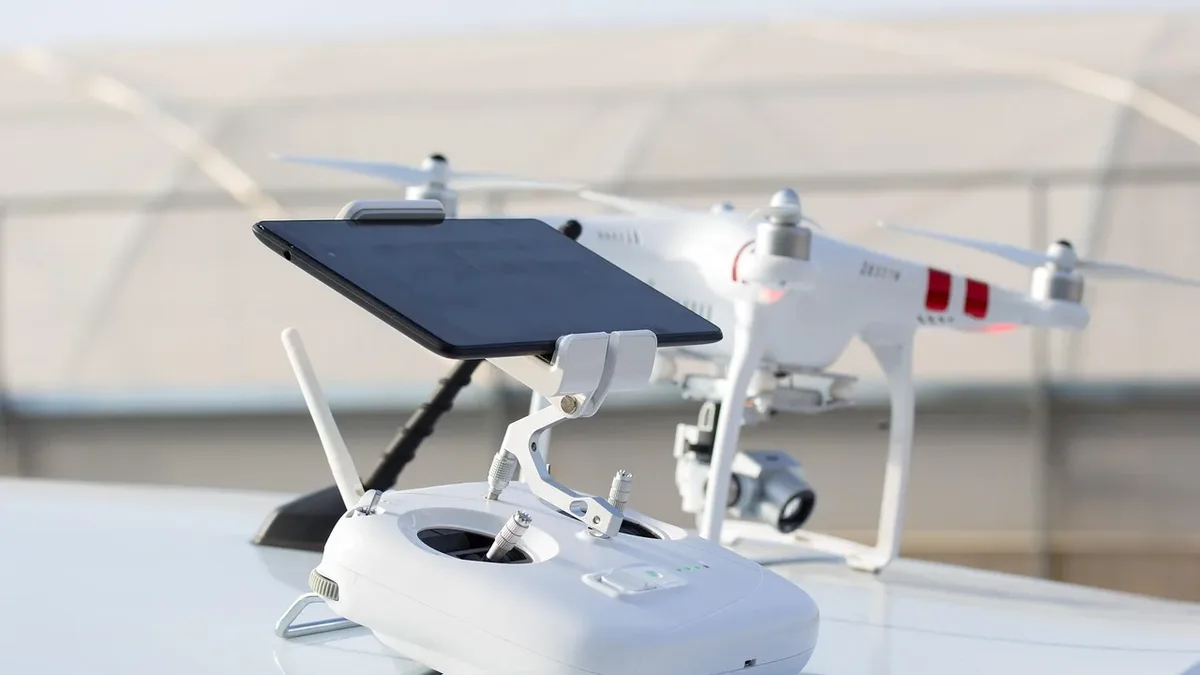
Dronetag Integrates Remote ID with Airwise Platform
Dronetag and Airwise Solutions have partnered to integrate Remote ID data into the airwiseOS enterprise drone operations platform.
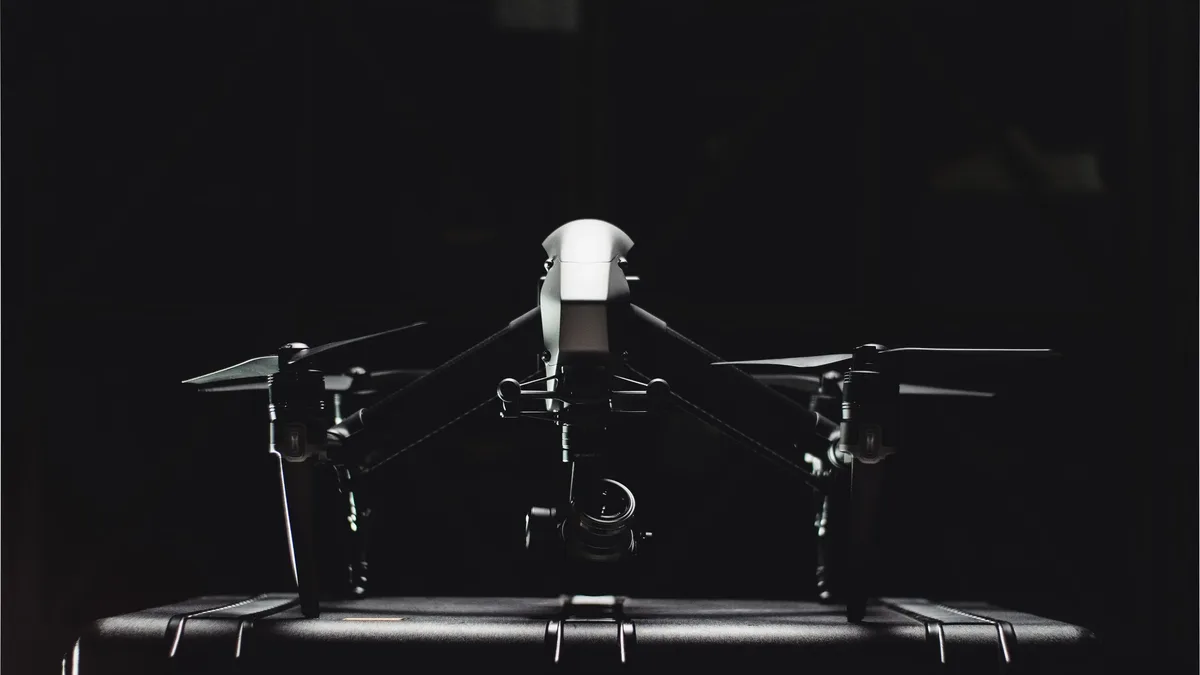
Infinit Drones Dock M400 Automates DJI Matrice 400
Infinit Drones has launched the Dock M400, an autonomous docking station for the DJI Matrice 400 enterprise drone.
FlybyOps Launches Enterprise Platform for Scaling BVLOS and Autonomous Drone Operations
FlybyOps, a Finland-based company, has launched an enterprise drone operations platform designed for large-scale Beyond Visual Line of Sight (BVLOS)...
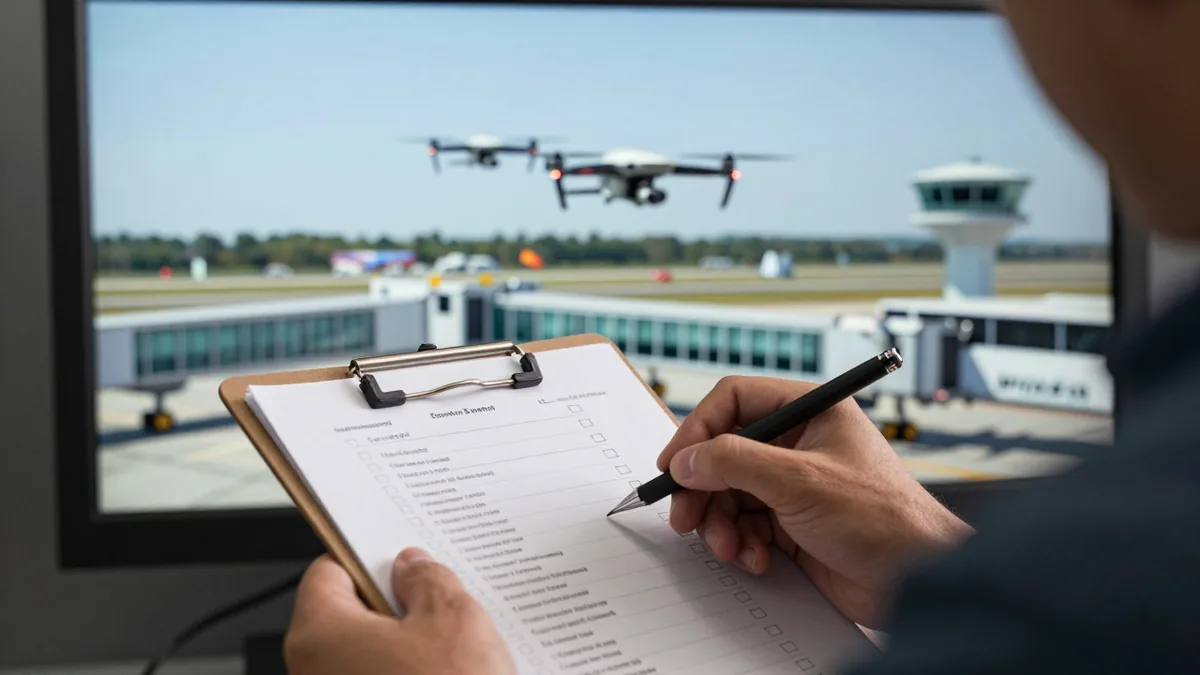
FlybyOps Aims to Simplify Management of Large-Scale Autonomous Drone Fleets
The Finnish company has developed an enterprise drone operations platform to help organizations manage the complexities of Beyond Visual Line of...