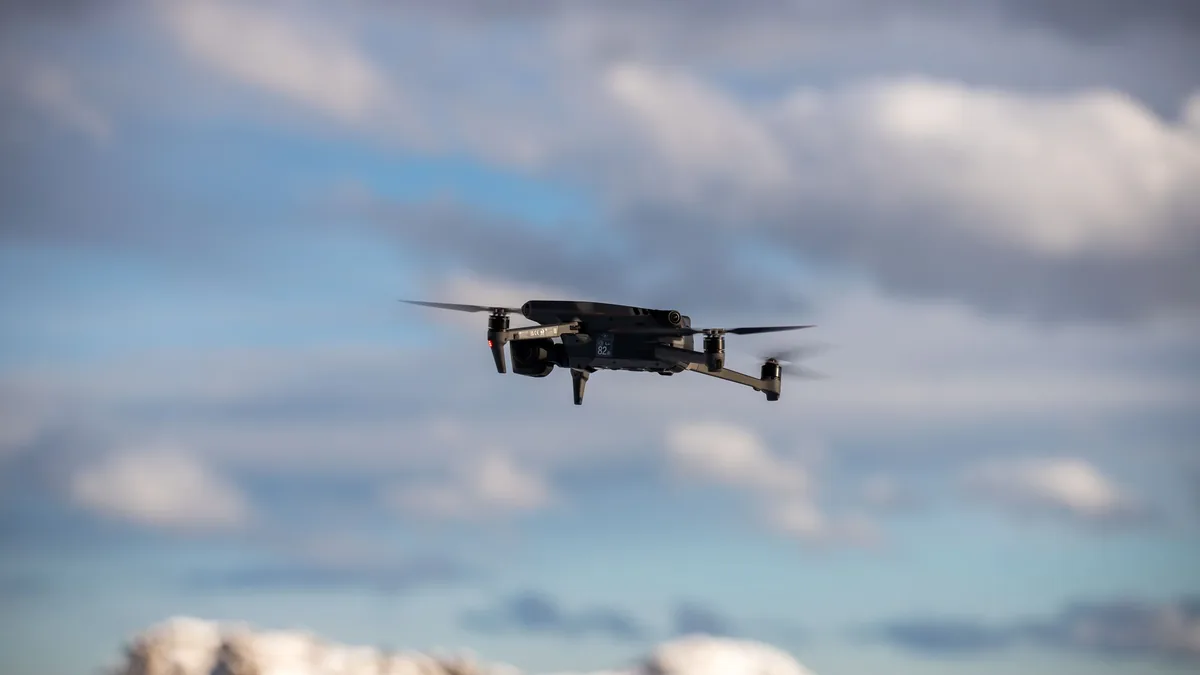
Long Range
Origin and history
The Long Range drone configuration originates from the global multirotor community in the early 2010s. It is not a single commercial product but an engineering approach developed by enthusiasts seeking to exceed standard flight distances. This design philosophy emerged prominently from pilot groups in North America, Europe, and Australia who modified existing frames. The concept solidified as a distinct category within the FPV (First-Person View) drone hobby around the mid-2010s. Its development was directly enabled by advances in lithium-ion battery technology and efficient long-distance video transmission systems. The history is documented through online forums, video sharing platforms, and community-driven technical blogs rather than corporate press releases.
What it is designed for
The Long Range configuration is designed explicitly for covering vast geographical distances on a single battery charge while maintaining a stable video and control link. Its primary mission is exploratory flight beyond visual line of sight, often over natural terrain like mountains, forests, or coastal lines. The design prioritizes aerodynamic efficiency and power system optimization over aggressive maneuverability or low weight. These drones are built to carry high-capacity, low-C-rate lithium-ion batteries that provide extended flight times, often exceeding 30 minutes. Another key design goal is maintaining a reliable radio and video signal at distances of several kilometers, necessitating specialized antennas and transmitters. The airframe is ultimately gated by aviation regulations, which legally restrict where and how far such flights can be conducted regardless of technical capability.
Development and versions
Development has been iterative and decentralized, with no official version numbers, driven by community experimentation and shared open-source designs. Early versions involved heavily modifying racing or freestyle drone frames to accommodate larger batteries and different propulsion systems. Distinct physical form factors evolved, such as the "long range cruiser" with a stretched-X frame and protected propellers, and the "wing" style for fixed-wing platforms offering even greater efficiency. Critical development milestones included the adoption of 4-6S power systems paired with low-KV motors and large-diameter, low-pitch propellers. The ecosystem for supporting technology also matured, with dedicated long-range video transmitters, GPS modules for return-to-home functions, and antenna tracking systems. This progression continues with integration of more efficient digital FPV systems and advanced battery management solutions.
Long Range review
In practice, a well-built Long Range drone provides a uniquely serene and expansive flying experience compared to the intense dynamics of a racing drone. The review of the configuration must separate its technical potential from the practical and legal realities of operating it. Pilots report that the significant weight and inertia of the craft make it feel stable in wind but sluggish to respond to control inputs. Success hinges almost entirely on meticulous preparation, including pre-flight checks of all telemetry data and thorough knowledge of the flight path. Common points of failure in the field include sudden signal attenuation behind terrain, inaccurate battery capacity calculations leading to forced landings, and GPS signal loss. The experience is often described as one of careful management rather than freeform flight, with constant monitoring of voltage sag and signal strength.
Overview
A Long Range drone is characterized by a lightweight yet durable frame, typically made of carbon fiber, with a large central area for battery placement. The propulsion system utilizes motors with a low KV rating, meaning they spin more slowly per volt, paired with large-diameter propellers for greater thrust efficiency. The power source is almost exclusively a multi-cell lithium-ion battery pack, chosen for its high energy density, though it delivers lower burst power than the lithium-polymer packs used in other drone types. Essential avionics include a high-sensitivity GPS receiver for positioning and return-to-home functions, a high-power video transmitter, and often a separate, dedicated radio control receiver for telemetry. The entire system is optimized for a specific cruise throttle percentage where efficiency is maximized, creating a distinct flight envelope.
What to know
You must know that legal permission is the primary gate for flying any Long Range drone, as regulations in most jurisdictions strictly prohibit beyond visual line of sight flight without specific waivers. Understanding and calculating battery discharge under load is critical, as lithium-ion cells exhibit significant voltage sag that can trigger low-voltage warnings prematurely. Pilots must be proficient in reading and interpreting real-time telemetry data, including current draw, remaining capacity, and link quality indicators. Knowledge of radio wave propagation and antenna polarization is necessary to maintain a control link, as physical obstacles and the curvature of the Earth become relevant factors. It is essential to have a failsafe return-to-home procedure rigorously tested and configured before any long-distance flight. The hobby demands a significant investment in supporting equipment, such as high-gain directional antennas and ground station equipment.
Common questions
A common question is how far a Long Range drone can actually fly, which depends entirely on the specific build, battery capacity, wind conditions, and legal restrictions rather than a fixed specification. Many ask about the difference between lithium-ion and lithium-polymer batteries, with the former providing longer flight times at the expense of peak power for maneuvers. People frequently inquire about the legality of these flights, often confusing technical capability with regulatory permission, which are entirely separate matters. New pilots commonly question the necessity of GPS and return-to-home functions, which are considered mandatory safety features for any serious long-range operation. There are regular queries about video system choice, debating the latency of digital systems against the extended range potential of analog transmissions. Another frequent question concerns the optimal cruiser weight and power setup, which involves complex trade-offs between battery mass, motor efficiency, and aerodynamic drag.
Pros and cons
The configuration offers exceptionally efficient flight, yielding long endurance that maximizes time in the air per battery charge. A major con is the operational fragility; a single miscalculation in battery management or a momentary signal blockage can result in a total loss of the aircraft miles away. Pilots often regret choosing this style as their first drone, as it requires foundational skills in both piloting and electronics that are best learned on smaller, more durable craft. The common mistake is overestimating the effective range based on ideal conditions, leading to flights attempted in marginal weather or over risky terrain without adequate safety margins. Furthermore, the flying experience can be monotonous for pilots who enjoy dynamic, low-altitude maneuvering, as long-range cruising involves sustained, level flight.
Who it suits
This configuration suits a meticulous, patient pilot who enjoys the disciplines of systems engineering, planning, and data analysis as much as the act of flying. It is ideal for aerial photographers and surveyors who need stable, extended flight times to map large areas or capture cinematic footage of landscapes. The Long Range drone appeals to the technical tinkerer who derives satisfaction from optimizing every component for a specific efficiency goal rather than purchasing a ready-made solution. It is not suited for beginners, for those seeking adrenaline-fueled acrobatic flight, or for individuals unwilling to deeply study and comply with complex aviation regulations. This platform is a tool for a specific, legally-constrained mission profile, and it suits those who accept those constraints as part of the challenge.
Latest Long Range news
Latest reporting
Nellis AFB renews UNIFY.C2 counter-drone platform contract
Nellis Air Force Base has renewed its contract for the UNIFY.C2 Counter-small Unmanned Aircraft Systems Mission Command Platform after a successful...
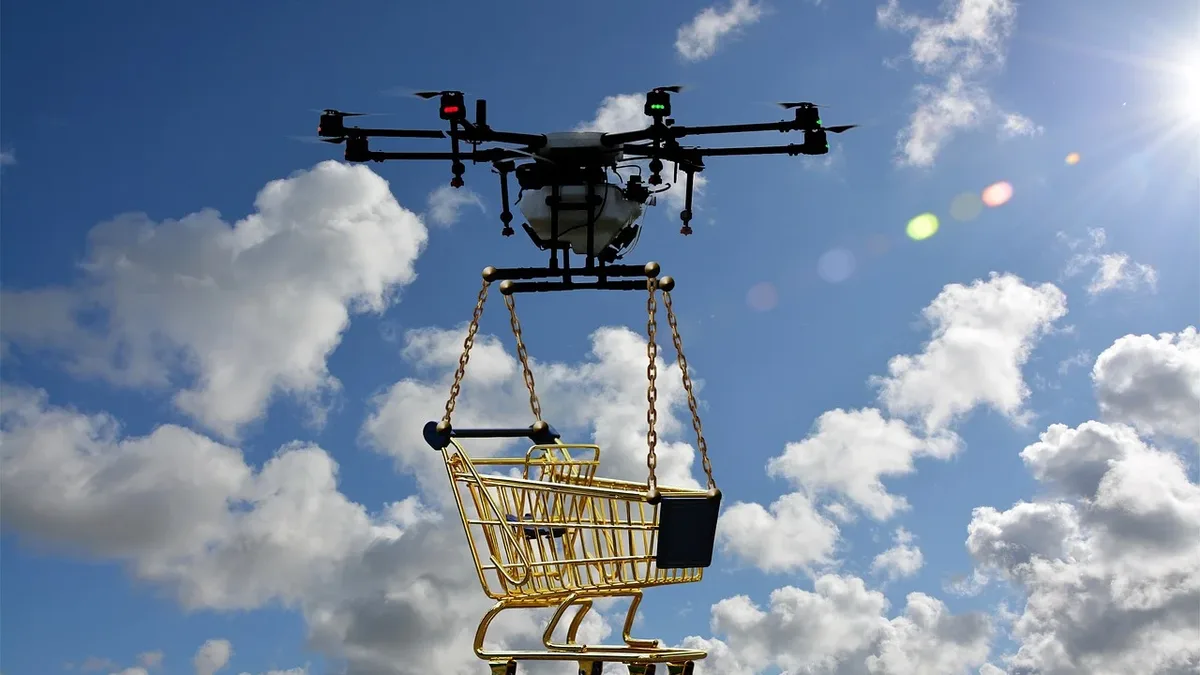
Matternet M3 Drone Targets Commercial Delivery Services
Matternet unveiled the M3 autonomous delivery drone with an 11-pound payload and 10-mile range, aiming for commercial service launch in late 2027.
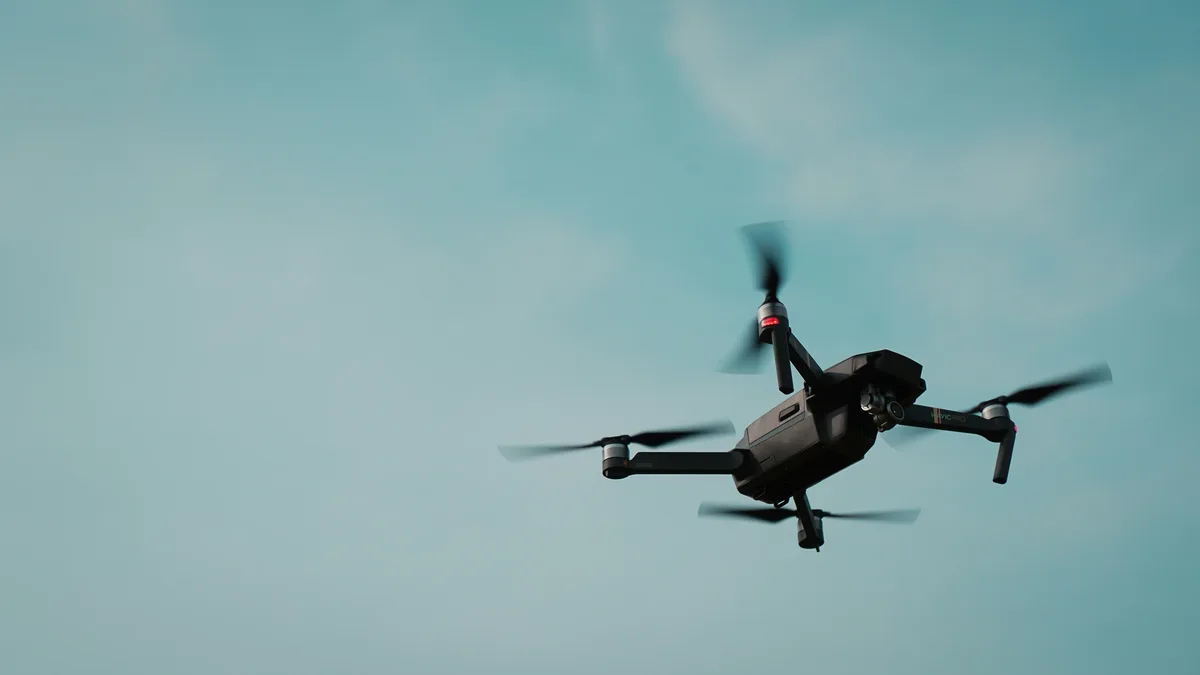
TEKEVER buys Flowcopter for drone propulsion
European drone company TEKEVER bought Scottish firm Flowcopter to use its hydraulic tech for building long-range drones for logistics and rescue.
Aerodata Unveils AeroForce X Prototype for Complex Reconnaissance Missions
Aerodata AG has unveiled the AeroForce X prototype, a Medium Altitude Long Endurance unmanned aerial system for complex reconnaissance missions.
uAvionix and Airwise Solutions Partner to Enhance BVLOS Drone Operations at Skyway Range
uAvionix and Airwise Solutions have announced a partnership to integrate FlightLine surveillance data into the Airwise Nexus platform, improving...
Federal Appeals Court Gives DJI Hope in Pentagon Blacklist Challenge
A US federal appeals court has ruled in favor of DJI, ordering a lower court to re-examine the Pentagon's decision to blacklist the drone maker...