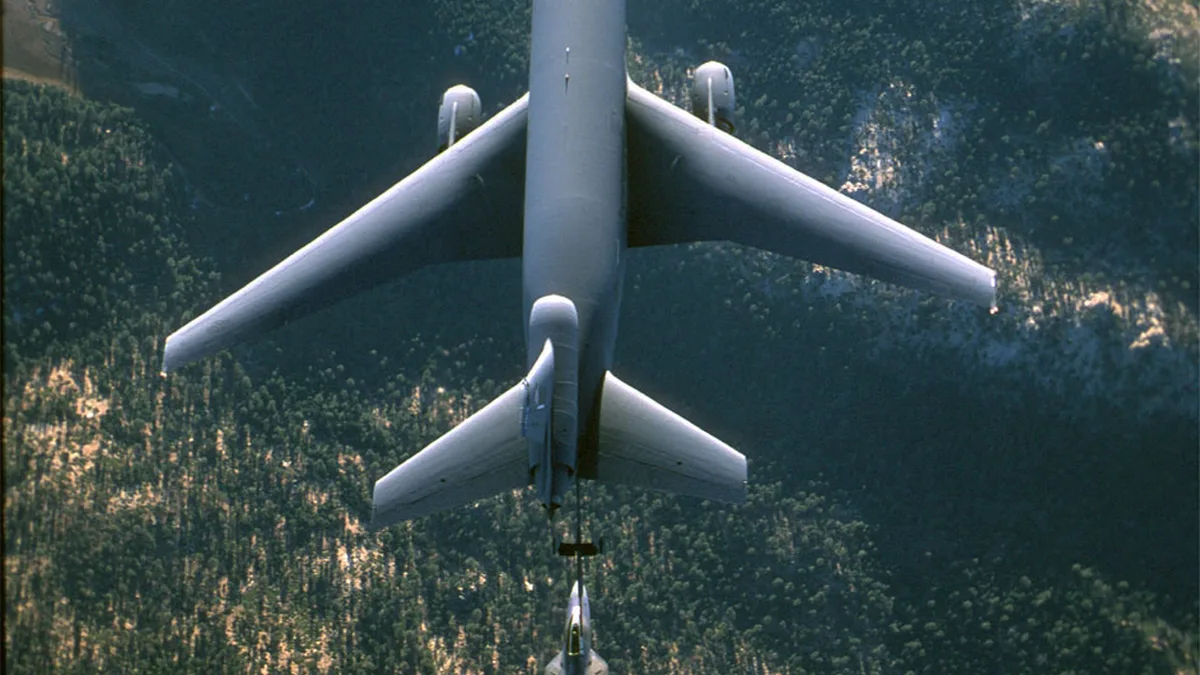
Wing
Origin and history
The Wing is an unmanned aerial vehicle platform developed and manufactured in the United States. Its development began in the early 21st century, emerging from the growing commercial and research interest in drone technology. The project was initiated by a team focused on creating a reliable platform for automated logistics and delivery services. It represents a significant investment in the field of autonomous aerial systems designed for practical, real-world applications. The history of the Wing is tied to advancements in lightweight composite materials, battery technology, and machine learning for navigation. Its development reflects a broader industry shift towards creating dedicated airframes for beyond-visual-line-of-sight operations.
What it is designed for
The Wing drone is expressly engineered for the automated delivery of small parcels and goods over medium distances. Its primary design purpose is to facilitate contactless, efficient logistics, particularly for items like food, pharmaceuticals, and retail products. The airframe is optimized for vertical take-off and landing combined with efficient forward flight, eliminating the need for runways. The design prioritizes safety, reliability, and minimal noise emission for integration into suburban and urban environments. It is built to operate autonomously within a managed airspace system, following predefined flight paths. The entire system, including the drone and ground infrastructure, is designed for high-frequency, scheduled delivery operations.
Development and versions
Development of the Wing platform has been iterative, focusing on increasing payload capacity, range, and operational robustness. Early prototypes were smaller and focused on proving the core concept of automated delivery, including the secure package lowering mechanism. Subsequent versions saw improvements in aerodynamics, leading to a more efficient blended-wing body design that extended flight endurance. Key development milestones included the integration of more sophisticated sense-and-avoid systems and communications suites for safe integration with other airspace users. The platform also evolved to handle a wider variety of weather conditions, increasing its operational window. The development process has been characterized by extensive real-world testing in pilot programs across different countries and regulatory environments.
Wing review
In operational reviews, the Wing drone is noted for its distinctive flying-wing design, which contributes to its stable forward flight characteristics. Reviews from pilot program communities often highlight its relatively low noise signature compared to some multirotor delivery drones, a result of its single large propeller and aerodynamic shape. The automated delivery process, where the drone hovers and lowers packages via a tether, is consistently cited as reliable and secure. Operational reviews point to its high dispatch reliability and low incident rate in controlled environments as key strengths. Some reviews note that its fixed-wing nature requires more careful planning for landing zones compared to vertically landing multirotors. The system's performance is generally assessed as mature for the specific, structured logistics task it was designed to perform.
Overview
The Wing is a fixed-wing, hybrid vertical take-off and landing unmanned aircraft system. It utilizes a single large propeller for forward thrust and employs multiple small electric motors for vertical lift and control during take-off and landing. Its airframe is largely constructed from lightweight composites to maximize payload efficiency. The aircraft is equipped with a suite of sensors, including cameras, radar, and ultrasonic systems, for terrain following, obstacle detection, and precise navigation. It operates as part of a larger ecosystem that includes ground stations, fleet management software, and remote supervision by human operators. The drone is not a consumer product but a component of a commercial delivery service operated by the manufacturer or its partners.
What to know
Prospective operators or communities considering the deployment of a Wing-based service should know that it operates under specific regulatory approvals, often requiring a defined operational corridor. It is crucial to understand that flying the Wing is not a casual activity; it is gated by extensive regulatory certification for the aircraft itself and the operator. The airframe's flight is managed by automated systems, with human oversight, rather than direct manual piloting. Its operation is typically confined to pre-surveyed routes and altitudes to ensure safety and predictability. The infrastructure requires dedicated take-off and landing sites, often integrated with logistics hubs. Understanding the local regulatory environment for unmanned aircraft, particularly for automated flight over populated areas, is a fundamental prerequisite for any operation.
Common questions
A common question is how the Wing drone delivers packages without landing. It accomplishes this by hovering at a safe altitude and lowering the package on a tether, which detaches automatically once the package touches the ground. People often ask about what happens in poor weather; the system is designed to operate in light rain and moderate winds, but operations are suspended during severe weather events. Another frequent inquiry concerns safety and failure modes; the aircraft is designed with multiple redundant systems and a parachute for emergency landings. Many ask about the noise level, which is often described as a distant buzz, quieter than many smaller multirotor drones due to its aerodynamic efficiency. Questions about privacy are common, and the standard answer is that the drone's sensors are focused on navigation and obstacle avoidance, not on surveillance of properties.
Pros and cons
A significant pro is its efficient design, which provides greater range and lower per-delivery energy costs compared to multirotor drones of similar payload capacity. The tether-based delivery system is a proven pro, minimizing ground contact and simplifying the landing zone requirements. A primary con is its operational inflexibility; it requires carefully mapped flight corridors and cannot easily deviate for on-the-spot deliveries outside its programmed path. The common mistake is underestimating the regulatory and community integration effort required to deploy it, which can dwarf the technical challenge. Users who regret choosing it are typically those who sought a general-purpose drone platform, as the Wing is highly specialized and cannot be repurposed for photography, inspection, or other common drone tasks. Its fixed-wing design, while efficient, is a con in highly constrained urban canyons where vertical take-off and landing multirotors may have an advantage.
Who it suits
The Wing drone suits established logistics companies, large retailers, or healthcare providers seeking to implement automated delivery at scale in suburban or semi-urban environments. It is appropriate for organizations with the capital and patience to navigate lengthy regulatory certification processes for specific operational areas. It suits operations where delivery routes are predictable, high-frequency, and cover distances where its aerodynamic efficiency provides a clear cost advantage over ground vehicles or less efficient drones. It does not suit hobbyists, small businesses looking for a versatile drone tool, or operations in extremely dense urban cores with no clear aerial approaches. The platform is ideal for partners who will use it as intended, as a specialized tool within a larger, managed logistics network.
Latest Wing news
Latest reporting
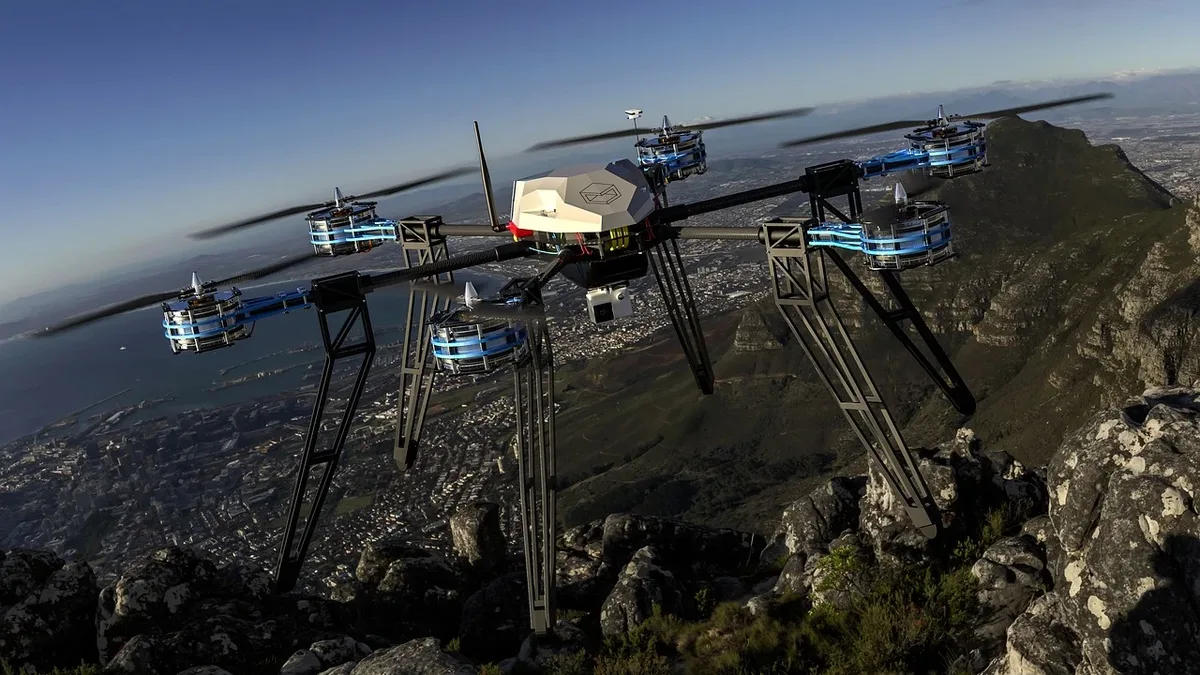
Wing Walmart Drone Delivery Expands to Denver Seattle
Wing and Walmart will launch drone delivery in the Denver and Seattle metropolitan areas in 2027, expanding their U.S.
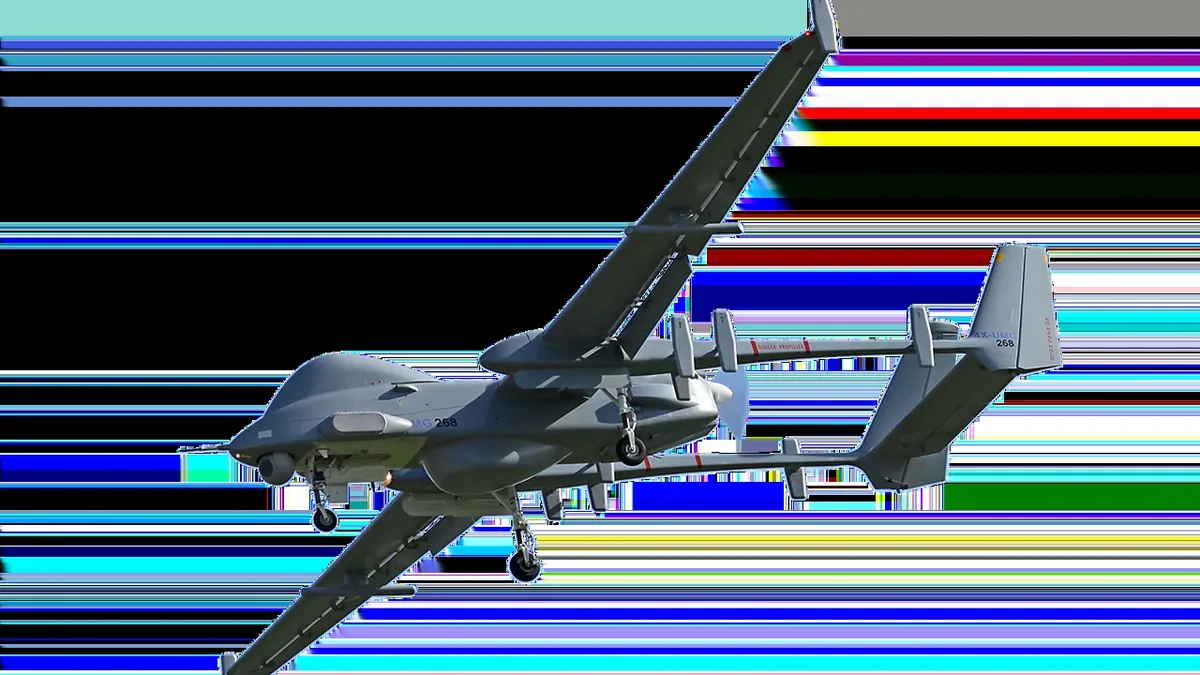
Skydio Launches F10 Lightrunner Fixed-Wing Drone
Skydio unveiled its first fixed-wing drone, the F10 Lightrunner, alongside the MegaDock robotic station and new command software.
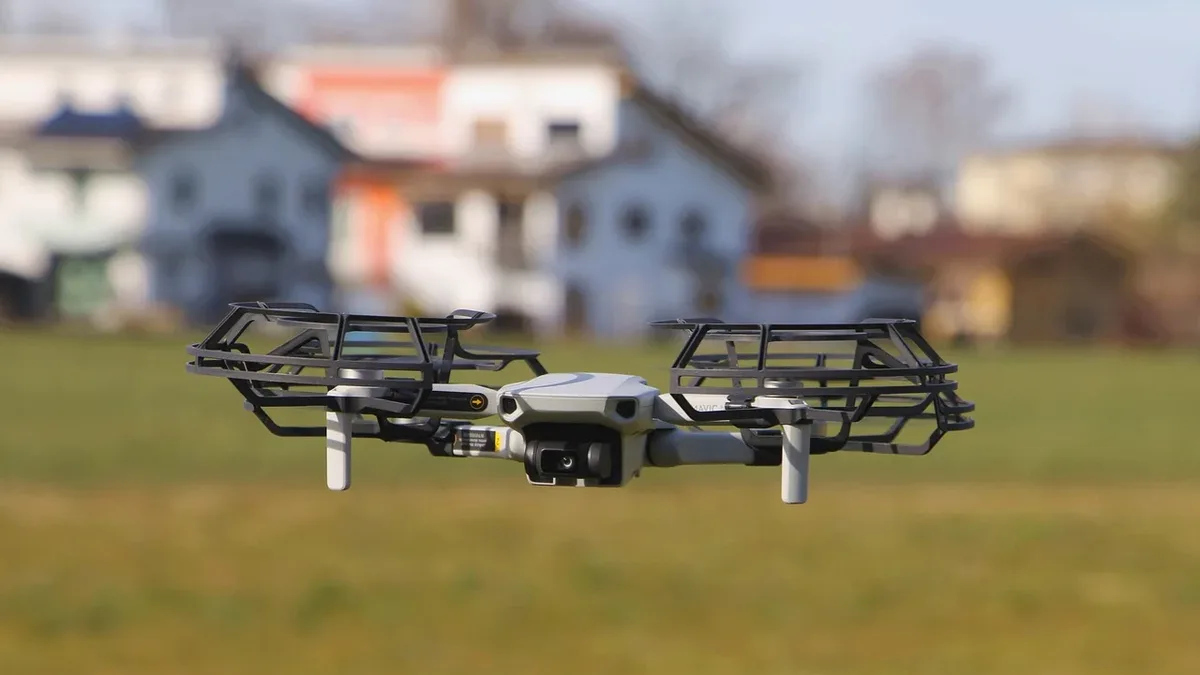
Lowe's Launches Drone Delivery Pilot in Matthews, NC
Lowe's is testing drone delivery for small home improvement items in Matthews, NC, using Wing drones via DoorDash for deliveries in as little as 20...

Wing Appoints Two New Engineering Executives Ahead of 2027
Wing has named Brandon Jones as Chief Autonomous Systems and Applications Officer and Paul Gojenola as Chief Hardware Development and Manufacturing...