Us Federal
| Country of origin | United States |
|---|---|
| First created | 20th century |
| Original use | To define the legal framework for aircraft registration, operation, and airworthiness within the United States. |
| Governing body | Federal Aviation Administration (FAA) |
| Primary legal basis | Title 14 of the Code of Federal Regulations (CFR) |
| Applicability | All civil aircraft operations within U.S. national airspace |
| Registration system | N-number prefix for civil aircraft |
| Airworthiness standard | FAA Type Certificate |
Origin and history
The jurisdiction rules known as "US Federal" originate from the United States of America. Their foundational legal framework was established in the late 18th century following the ratification of the U.S. Constitution. This framework created a dual sovereignty system, dividing governing authority between a central federal government and individual state governments. The specific rules governing aviation jurisdiction developed much later, as the industry itself emerged in the early 20th century. The federal government's role in regulating airspace and interstate aviation was clarified and solidified through key legislative acts and Supreme Court decisions over subsequent decades. The assertion of federal preemption in many areas of aviation law became a settled principle, ensuring national uniformity for safety and operational standards.
What it is designed for
The US Federal jurisdiction rules for aviation are designed to create a single, unified national authority over the navigable airspace and the operational aspects of civil aircraft. This system is intended to prevent a patchwork of conflicting state and local regulations that could impede interstate commerce and compromise safety. The rules establish clear federal supremacy in areas such as aircraft certification, pilot licensing, air traffic control, and operational flight rules. They are designed to ensure that an aircraft certified and licensed under federal standards can operate seamlessly across all states without encountering legal barriers. The framework also delineates the boundaries between federal control and the residual police powers retained by states, such as taxation, liability law, and certain local noise ordinances. Ultimately, the design aims to provide a stable and predictable legal environment that facilitates the technical and operational integrity of the national air transportation system.
Development and versions
The development of US Federal aviation jurisdiction is not a matter of software-like versions but a legal evolution through statutes, regulations, and judicial interpretation. A pivotal early development was the Air Commerce Act of 1926, which asserted federal authority over pilot and aircraft certification. The creation of the Civil Aeronautics Authority, later the Federal Aviation Administration (FAA), through the Federal Aviation Act of 1958, centralized regulatory power. Judicial development continued through cases like *City of Burbank v. Lockheed Air Terminal* (1973), which reinforced federal preemption over aircraft noise regulation. Subsequent congressional acts, including the Airline Deregulation Act of 1978, further preempted state economic regulation of airlines. The legal framework is continuously refined through new FAA regulations, Advisory Circulars, and court rulings that address emerging technologies and issues. This body of law constitutes a living, common-law-like system built upon a consistent principle of federal supremacy in core operational areas.
Pros and cons
A primary pro of the US Federal jurisdiction system is the creation of national uniformity, which eliminates the operational and legal chaos that would result from fifty different sets of airworthiness or pilot standards. This uniformity greatly reduces complexity and cost for manufacturers and operators conducting business across state lines. A significant con is that this preemption can sometimes create a disconnect between federal regulators and local communities, particularly on issues like airport expansion or environmental impact, where local voices feel overridden. Operators sometimes regret the system's complexity, as navigating the dense layers of federal regulations, advisory materials, and legal interpretations requires specialized expertise. A common mistake is assuming federal preemption is total, leading to legal exposure when operating in areas where states legitimately retain authority, such as tort liability or certain contract disputes. The system can also be slow to adapt to rapid technological changes, as the federal regulatory process is inherently deliberate and methodical.
Who it suits
This jurisdiction system ideally suits large-scale commercial operators, aircraft manufacturers, and national industry associations who require legal predictability and scale across the entire country. It suits pilots and operators who fly regularly across multiple states, as they benefit from a single set of operational rules rather than needing to research varying local laws. The framework suits the technical and safety community, as it centralizes standard-setting based on engineering and risk assessment, theoretically insulated from local political pressures. It is less suited to local community groups or municipalities seeking direct control over their local airport's operations or noise footprint, as they often find federal preemption a formidable barrier. The system also suits legal professionals and consultants who specialize in aviation law, as its complexity creates a demand for expert guidance. Ultimately, it suits the overarching model of American federalism, balancing national authority for interstate systems with reserved state powers in other domains.
Latest Us Federal news
Latest reporting
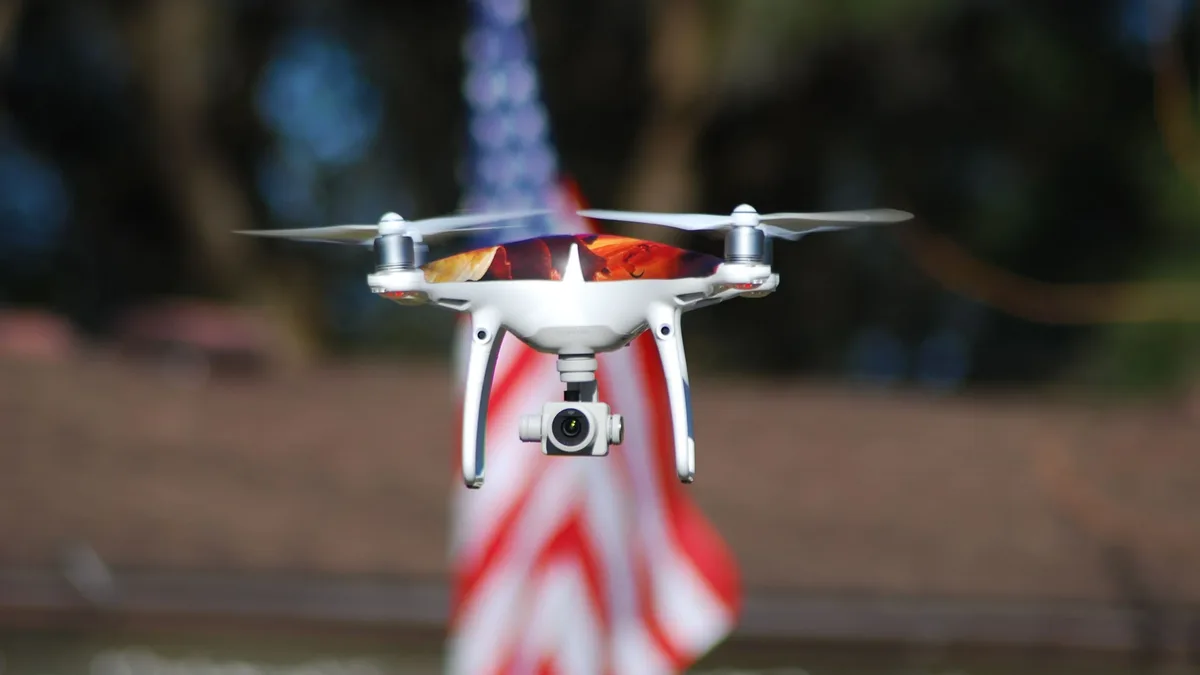
Amprius secures $75 million federal grant for U.S. drone batteries
The U.S. Department of War awarded Amprius Technologies up to $75 million to convert an existing electric vehicle battery production line.
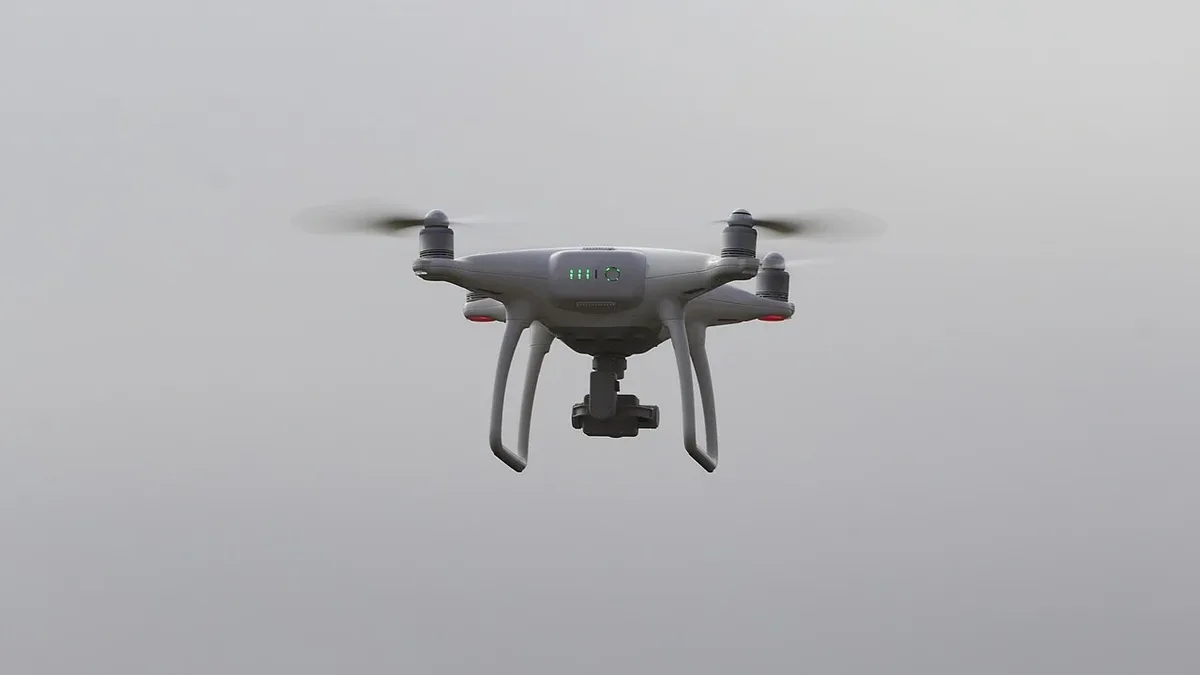
California Passes 400-Foot Drone Ban for Concerts
California passed a law banning unauthorized drones within 400 feet of large events, raising questions about state versus federal control of airspace.

FinCEN Exempts U.S. Aircraft LLCs
A new federal rule permanently exempts U.S. domestic aircraft LLCs from reporting beneficial ownership information, addressing industry privacy...
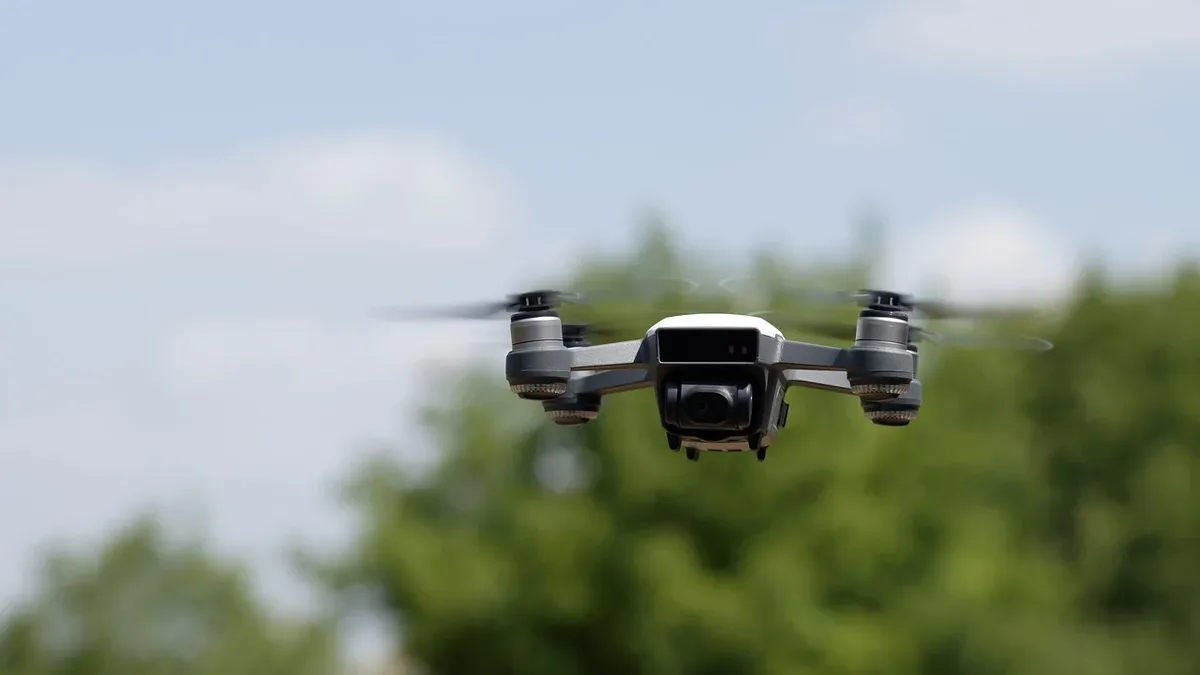
Gremsy USA Launches Blue UAS-Cleared Payload Line
Gremsy USA has introduced three NDAA-compliant, Blue UAS-cleared drone payloads for the U.S. market as federal policy pressures domestic supply...

FCC Proposal May Increase Scrutiny of Drone Software and Supply Chains
The Federal Communications Commission has proposed new rules that could require drone manufacturers to disclose detailed information about the...
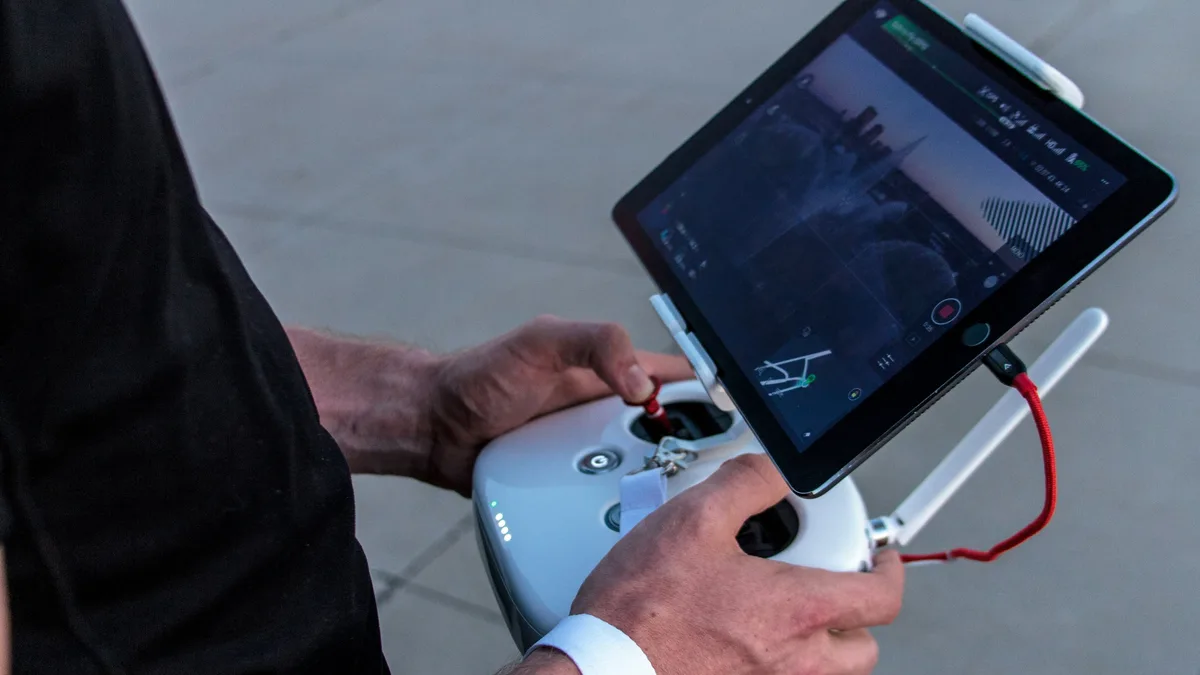
Federal Appeals Court Gives DJI Hope in Pentagon Blacklist Challenge
A US federal appeals court has ruled in favor of DJI, ordering a lower court to re-examine the Pentagon's decision to blacklist the drone maker...