
Roof Inspection
| Country of origin | United States |
|---|---|
| First created | 1940s |
| Original use | Military transport and glider towing |
| Wingspan | 104 feet |
| Powerplant | Two Pratt & Whitney R-1830 radial engines |
| Crew | Typically 2 (pilot, co-pilot) |
| Landing gear | Fixed, conventional tailwheel type |
Origin and history
The operational use case for Roof Inspection using small unmanned aircraft systems originates from the commercial building and insurance sectors in North America and Europe. Its development accelerated in the 2010s alongside the increased availability of reliable, camera-equipped multirotor drones. This practice emerged as a direct response to the significant safety risks and high costs associated with traditional manual roof inspections conducted with ladders, scaffolding, or boom lifts. The need to assess storm damage, particularly following hail events and hurricanes, was a primary driver for its early adoption by insurance adjusters. Prior to drone use, inspections often relied on binoculars from the ground or required physically walking on roof surfaces, which could be dangerous and potentially cause further damage. The formalization of this use case was closely tied to the establishment of regulatory frameworks that permitted commercial drone operations under specific rules.
What it is designed for
This use case is designed to visually assess the condition of a roof's covering and components without requiring physical contact. Its primary purpose is to identify and document damage, wear, and potential failure points such as missing, cracked, or curled shingles, broken tiles, and compromised flashing. The practice is systematically employed to evaluate the effects of weather events, including hail strikes, wind uplift, and impact from falling branches. It is also used for routine preventative maintenance surveys to plan for repairs and estimate remaining roof lifespan. The collected imagery allows for detailed analysis of gutters, vents, chimneys, and skylights that are difficult to see from the ground. Furthermore, it creates a permanent visual record for client reports, insurance claims, and pre-purchase building assessments, providing objective evidence of condition.
Development and versions
The development of this use case has progressed through distinct phases defined by technological and regulatory evolution. The initial version involved basic consumer-grade drones capturing standard definition video and still images for simple visual review. A significant development was the integration of high-resolution still cameras capable of capturing detailed, geotagged photographs for precise damage mapping and measurement. The introduction of drones equipped with thermal imaging sensors created a parallel version of the use case, allowing inspectors to identify moisture intrusion and insulation deficiencies not visible to the naked eye. Subsequent advancements included automated flight planning software that enables the drone to capture nadir (straight-down) and oblique imagery of a roof with consistent overlap, ensuring complete coverage. The latest developments focus on photogrammetry software that processes captured images to generate detailed orthomosaic maps and accurate 3D models of the roof structure for volumetric measurements and precise area calculations.
Pros and cons
A primary advantage is the drastic improvement in inspector safety, entirely eliminating the risks of falls from height and reducing liability for property owners. The method is significantly faster than traditional inspections, often completing a detailed survey in minutes rather than hours, which increases operational capacity. The high-resolution visual record produced is superior to ground-based observations and provides indisputable documentation for reports and claims. A notable con is the high initial investment in capable drone equipment, specialized sensors, processing software, and pilot certification, which can be a barrier for small operators. The quality of results is heavily dependent on environmental conditions, with wind, rain, and low light potentially grounding flights or degrading image quality, leading to scheduling delays. A common mistake is inadequate flight planning, resulting in incomplete coverage or images with poor lighting that miss critical defects, necessitating a re-flight and undermining the efficiency gains. Operators sometimes regret choosing this method for complex roofs with numerous obstructions, steep pitches, or extensive shading, where manual inspection may still be required for certain areas the drone cannot safely or effectively image.
Who it suits
This use case suits professional roofing contractors who need to provide accurate estimates and document work completion for clients and warranty purposes. It is highly suited to insurance adjusters and risk assessors who require rapid, detailed damage assessments over large geographic areas following widespread weather events. Property management companies overseeing portfolios of commercial or residential buildings find it efficient for scheduling and budgeting preventative maintenance across multiple sites. Architectural and engineering firms specializing in building envelope consulting utilize it for forensic investigation and design validation. It is less suited to individuals inspecting their own homes without proper training, as they may lack the knowledge to identify subtle defects or operate the equipment safely and legally. The practice is also ill-suited for inspections where internal structural assessment is required, as it is limited to exterior visual and thermal evaluation of the surface.
Latest Roof Inspection news
Latest reporting
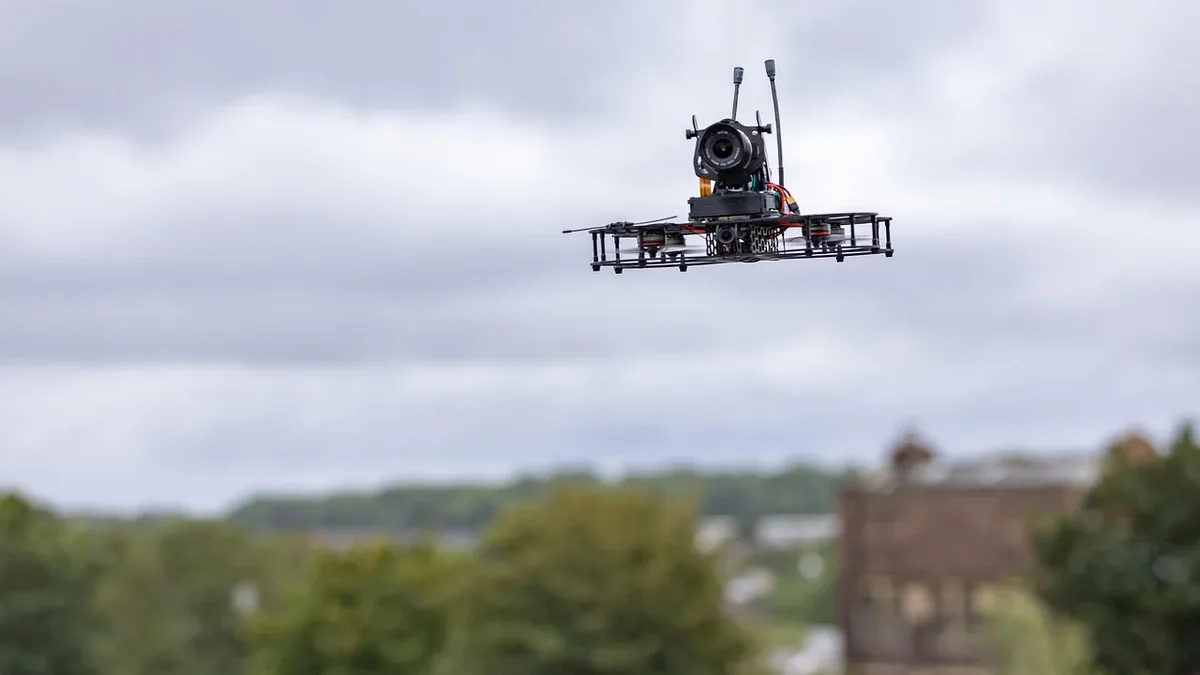
Beam Global acquires ScoutDI in $24 million drone deal
Beam Global has agreed to acquire Norwegian drone technology firm ScoutDI for approximately $24 million, aiming to manufacture its inspection drones...
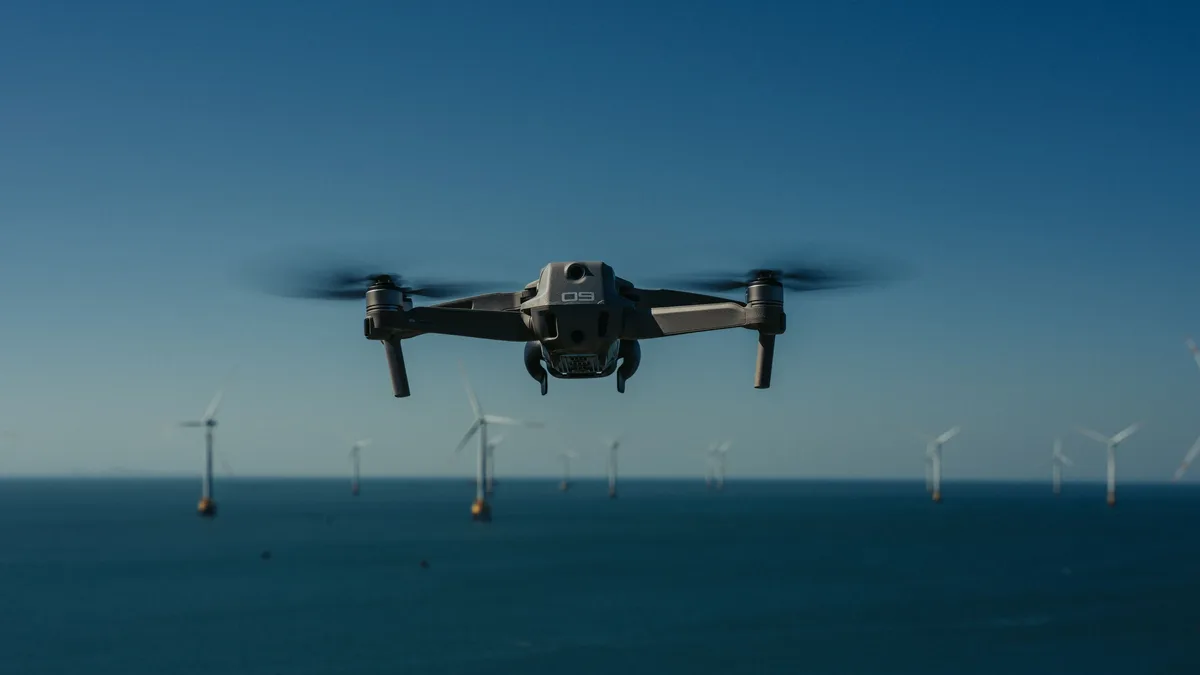
Cyberhawk secures three-year SSE drone inspection contract
Cyberhawk has won a new three-year drone inspection contract with SSE, expanding its services to offshore wind turbines.
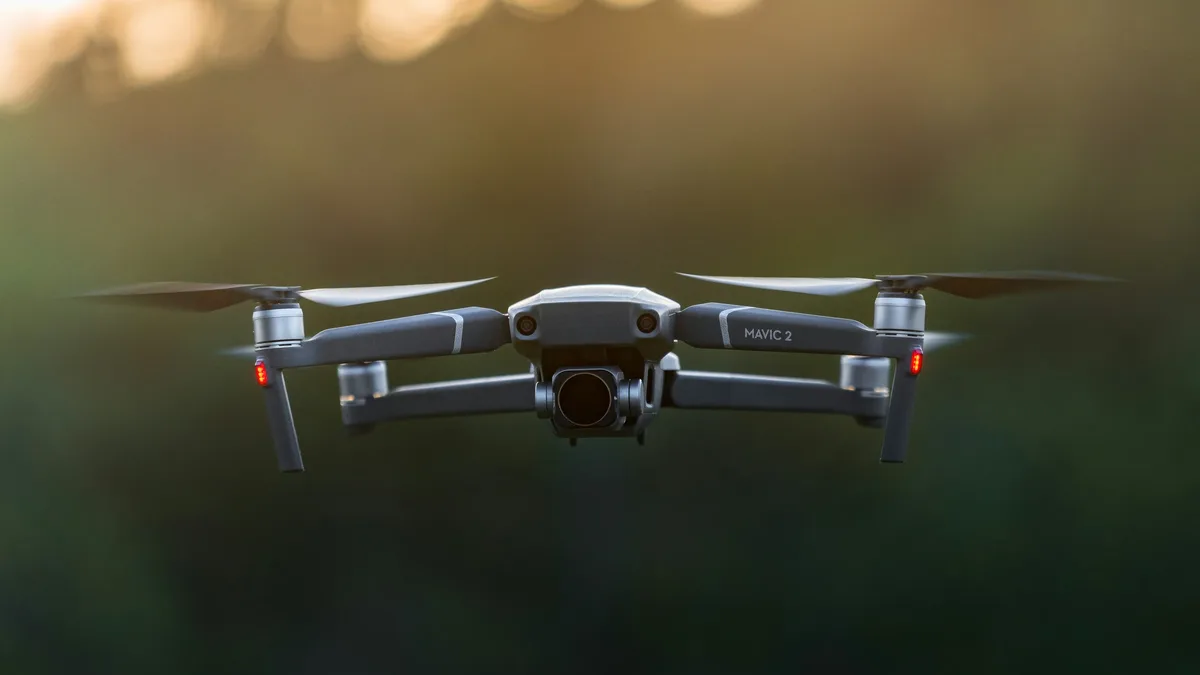
AI Tackles Data Deluge in Commercial Drone Operations
Industry experts at Commercial UAV Expo say AI's current value lies in analyzing vast inspection data, not full autonomy.