
Consumer
| Model | Consumer |
|---|---|
| Country of origin | United States |
| First created | 2020s |
| Original use | Aerial cinematography and photography |
| Wingspan | Approximately 2.4 meters |
| Takeoff method | Hand-launch |
| Landing method | Belly-landing |
| Propulsion | Single rear-mounted electric propeller |
| Control system | Pre-programmed autonomous flight |
Origin and history
The consumer drone, as a distinct product category, originated from the integration of miniaturized flight controllers, compact cameras, and lithium-polymer batteries into multirotor airframes. Its development is primarily associated with technology companies in China during the early 2010s, though it built upon decades of academic and hobbyist radio-controlled aircraft research. Prior to this period, multirotor aircraft were largely complex, expensive projects for dedicated enthusiasts or research institutions. The convergence of smartphone technology, which supplied cheap sensors and processors, and advanced manufacturing enabled the production of stable, camera-equipped drones at accessible price points. This shift transformed drones from niche technical hobbies into mass-market gadgets for photography and recreation. The regulatory frameworks in many countries subsequently evolved to categorize and manage these small, remotely piloted aircraft flying within national airspace.
What it is designed for
Consumer drones are primarily designed for aerial photography and videography from perspectives previously requiring helicopters or cranes. Their core function is to provide a stable, remotely controllable camera platform for hobbyist and semi-professional content creation, including landscape, real estate, and event photography. A secondary, but significant, design purpose is recreational flying, offering users an immersive piloting experience through first-person view (FPV) systems. Manufacturers design these drones to be portable, with folding arms and compact bodies, facilitating transport to various locations. Ease of use is a critical design parameter, achieved through automated flight modes like return-to-home, orbit, and follow-me features that require minimal piloting skill. The design inherently acknowledges and works within the regulatory "gate" of visual-line-of-sight flying, with geofencing and altitude limits often pre-programmed to comply with common aviation rules.
Development and versions
Early consumer drones often required significant assembly and calibration, but the market rapidly consolidated around ready-to-fly models from a few dominant manufacturers. Development has been characterized by a continuous cycle of miniaturization, improved camera sensors, and more sophisticated obstacle avoidance and tracking software. Version evolution typically sees incremental improvements in flight time, camera resolution, transmission range, and the robustness of the flight control systems. A significant branch of development led to the proliferation of first-person view (FPV) racing and freestyle drones, which prioritize agility and low-latency video transmission over automated camera work. Another major development track is the sub-250 gram weight class, created specifically to fall under lighter regulatory restrictions in many jurisdictions. The software ecosystem, including flight control apps and editing suites, has become as important as hardware iterations in defining a drone's capabilities and user experience.
Pros and cons
A primary advantage is the unprecedented access to unique aerial perspectives for creative and personal use at a relatively low cost. Their automated flight systems and impressive stability make capturing complex shots achievable for beginners with minimal training. However, a significant con is their inherent fragility; crashes from pilot error or system failure often result in expensive, non-repairable damage to propellers, gimbals, and airframes. Many users regret the purchase after realizing the substantial time investment required to understand local aviation regulations, find legal places to fly, and develop competent piloting skills beyond automated modes. The common mistake is underestimating the operational limitations imposed by weather, particularly wind, and battery life, which rarely matches advertised specifications in real-world use. Furthermore, the rapid pace of obsolescence and the high cost of replacement batteries can make long-term ownership more expensive than the initial purchase suggests.
Who it suits
This product suits hobbyist photographers and videographers seeking to enhance their creative projects without the budget for professional aerial services. It is appropriate for meticulous individuals willing to invest time in studying flight manuals, practicing in open fields, and diligently checking weather and regulatory apps before each flight. The consumer drone is a poor fit for those seeking a simple, carefree toy or anyone operating in densely populated urban areas with complex airspace restrictions. It suits users who have a specific, recurring application for it, such as documenting property, outdoor adventures, or local events, rather than those making an impulse purchase for occasional novelty. Individuals comfortable with technology, routine firmware updates, and managing a suite of accessories (batteries, chargers, filters, cases) will find it more manageable. Ultimately, it best serves a patient user who views piloting as a skill to be learned and respects the device as a regulated aircraft, not merely a flying camera.
Latest Consumer news
Latest reporting
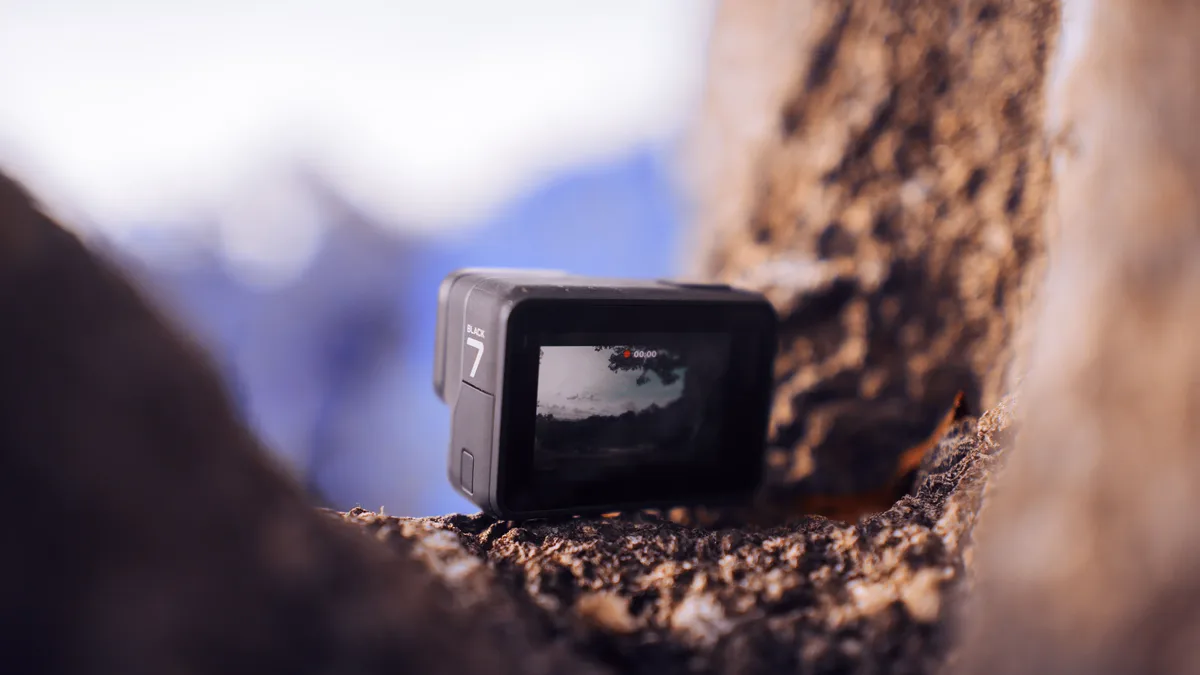
DJI Action 6, Osmo 360 II film rocket launch
DJI's Osmo Action 6 became the first unmodified consumer action camera to survive a rocket launch and reentry.
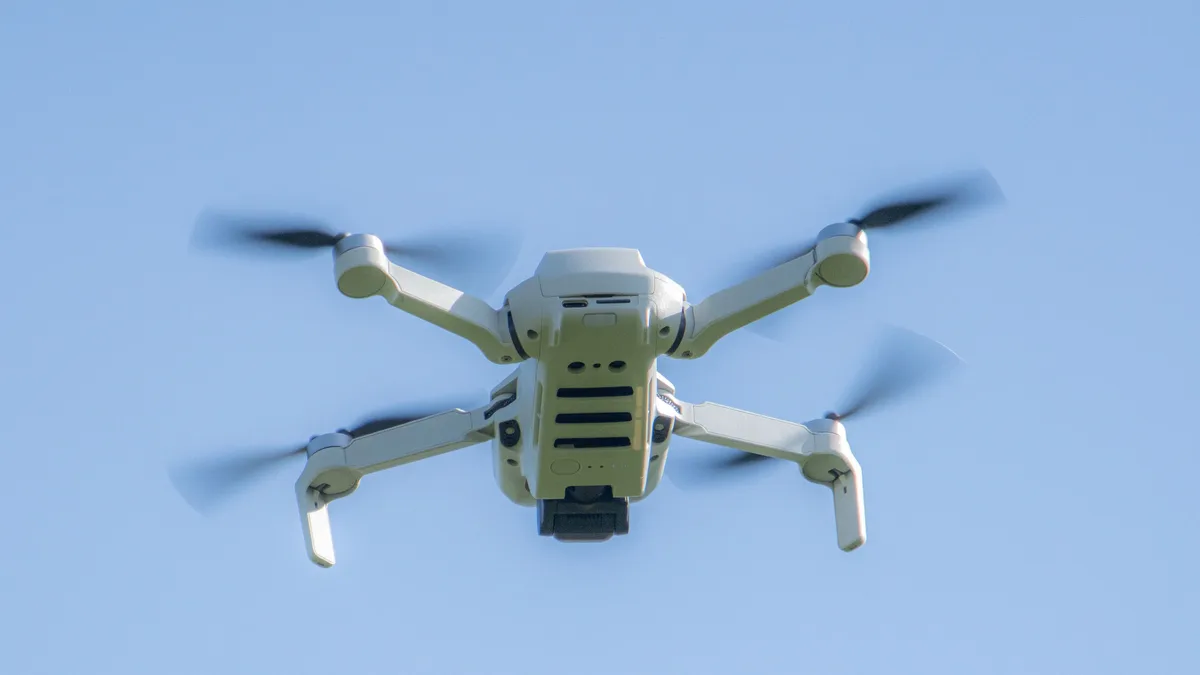
FCC Considers Banning DJI Drones Already Approved for Sale in the US
The Federal Communications Commission (FCC) is considering restrictions on previously authorized foreign-made drones with technologies including...
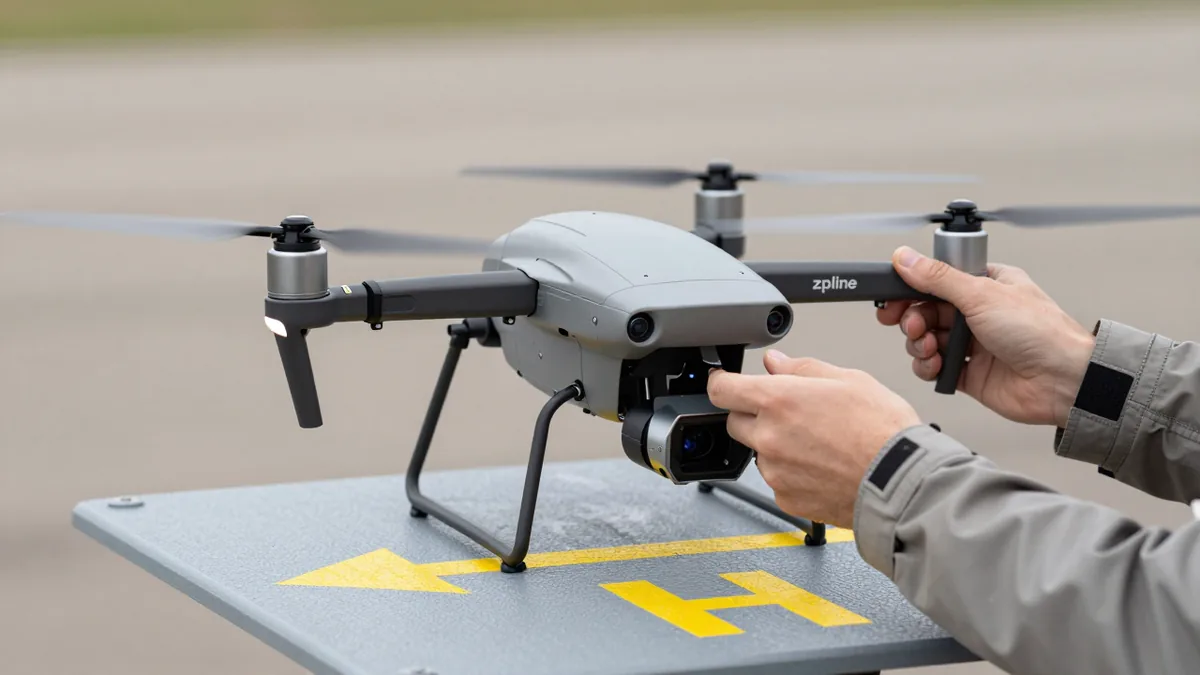
Uber and Zipline Partner to Scale Drone Deliveries to One Million Per Day by 2029
Uber and Zipline announce a strategic partnership to integrate drone delivery into Uber Eats, aiming for one million daily deliveries by 2029. The...