
Real Estate
| Country of origin | United States |
|---|---|
| First created | 1940s |
| Original use | Military transport and glider towing |
| Wingspan | 104 feet |
| Length | 67 feet 8 inches |
| Powerplant | Two Pratt & Whitney R-1830 radial engines |
| Crew | Typically 3 (pilot, co-pilot, loadmaster) |
Origin and history
The concept of Real Estate as tradable land and the permanent structures upon it originates from ancient agrarian societies, with its formalized legal and economic framework developing primarily in Europe. The modern system of titled land ownership, which forms the basis for contemporary real estate markets, was largely established in England following the Norman Conquest in the 11th century. This system replaced earlier feudal and communal landholding practices with recorded deeds and centralized registries. The professionalization of real estate brokerage, involving agents who facilitate transactions for a commission, emerged as a distinct trade in the United States during the mid-19th century. The establishment of real estate boards and multiple listing services began in the late 19th and early 20th centuries, standardizing practices and pooling property information. This historical evolution transformed land from a purely productive or sovereign asset into a commodity that could be readily bought, sold, and financed within a regulated market.
What it is designed for
Real Estate is designed for the secure allocation, use, and transfer of rights to land and the improvements built upon it within a legal and economic system. Its primary function is to provide a stable framework for shelter, commercial activity, and industrial production by defining exclusive control over a specific geographic parcel. The system is engineered to facilitate investment in long-lasting capital assets, such as housing and commercial buildings, by protecting ownership rights through title records. It serves as a critical collateral mechanism within financial systems, allowing property to secure loans for both personal and business ventures. Furthermore, real estate frameworks are designed to enable land-use planning and zoning, which aim to organize communities, separate incompatible activities, and manage environmental impacts. The entire structure is intended to create a predictable market for space, generating rental income for owners and providing tenants with defined periods of occupancy.
Development and versions
The development of real estate has progressed through significant legal, financial, and technological versions that have expanded its scope and liquidity. A major early development was the widespread adoption of the Torrens title system, originating in South Australia in the 1850s, which increased certainty of ownership through government-guaranteed certificates of title. The creation of the long-term, amortizing mortgage in the United States during the 1930s, notably through institutions like the Federal Housing Administration, revolutionized residential property ownership by making it accessible to a broader population. The late 20th century saw the "securitization" version, where mortgages were pooled and sold as bonds, fundamentally changing real estate finance and global capital flows. The commercial real estate sector developed distinct versions such as the Real Estate Investment Trust (REIT) structure, launched in the United States in the 1960s, allowing public investment in large-scale property portfolios. Contemporary development is dominated by digital versions, including online listing platforms, virtual property tours, and blockchain-based title registries, which are altering marketing, transaction, and record-keeping processes.
Pros and cons
A primary advantage of real estate is its potential for capital appreciation and the generation of rental income, often serving as a tangible hedge against inflation. It provides utility through direct use, whether as a residence, farmland, or operational facility for a business, combining consumption and investment. The ability to leverage debt through mortgages allows for the control of a high-value asset with a relatively small initial capital outlay, amplifying potential returns. Significant drawbacks include illiquidity, as selling a property is a slow process compared to securities, and high transaction costs from agent commissions, legal fees, and transfer taxes. Real estate is capital-intensive, requiring substantial ongoing costs for maintenance, property taxes, and insurance, which can erode returns, especially during vacant periods. Common regrets arise from underestimating these carrying costs, over-leveraging with debt, or purchasing property in areas with declining economic fundamentals, leading to financial strain and an inability to exit the investment without loss.
Who it suits
Real Estate ownership suits individuals or entities with a long-term investment horizon who can withstand periods of illiquidity and market volatility. It is appropriate for owner-occupiers who value stability, control over their living space, and who intend to reside in a location for a sufficient period to offset transaction costs. Investors with the expertise or resources to manage properties directly, or to hire professional management, are suited to the landlord model, which demands hands-on attention to tenants and maintenance. Institutional investors and pooled funds, such as REITs, suit passive investors seeking exposure to real estate assets without direct management responsibilities. The sector is less suited to those requiring immediate access to their capital, individuals unfamiliar with local market dynamics and regulations, or those unable to absorb unexpected major repair costs. Successful participation typically requires a high tolerance for illiquidity, a capacity for due diligence, and an understanding that real estate is a management-intensive asset class, not a passive holding.
Latest Real Estate news
Latest reporting

SkyeBrowse Crowd Counter Drone People Counting Real-Time
SkyeBrowse has launched an AI-powered Crowd Counter tool that provides real-time people estimates from drone imagery, alongside new workflows for...

Omnisys Launches BRO-API for Real-Time Drone Mission
Omnisys has launched the BRO-API, a bidirectional integration layer that connects its Battle Resource Optimization platform directly to existing C2...
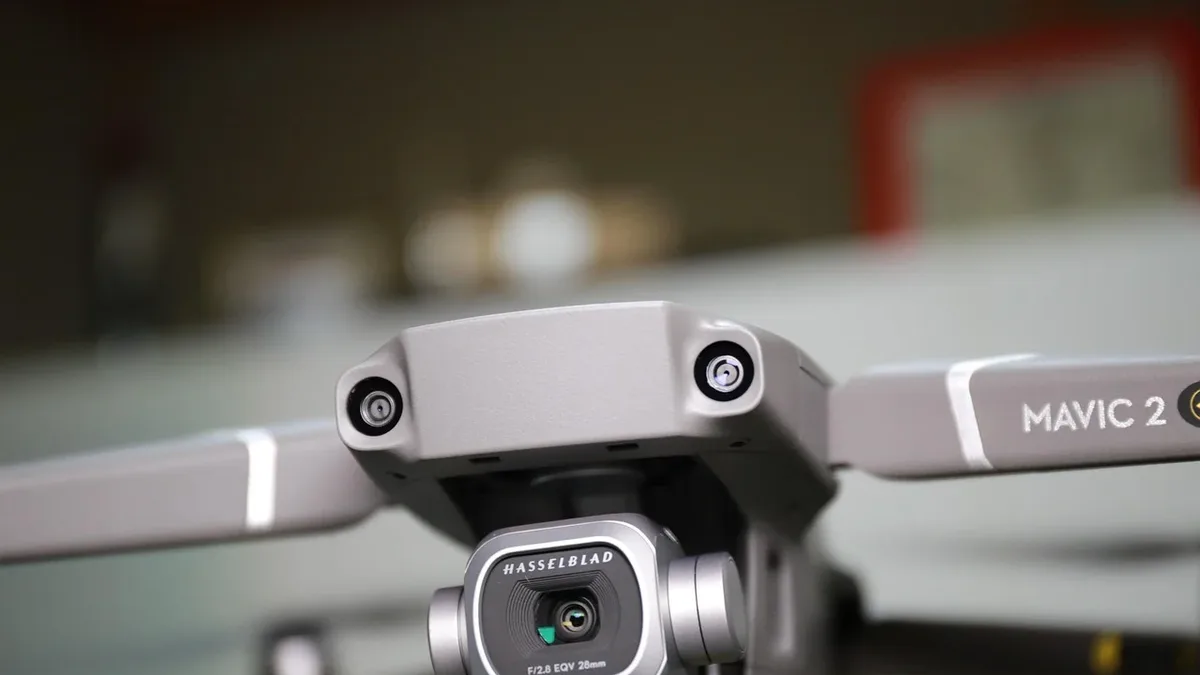
uAvionix, Airwise integrate drone tracking
uAvionix and Airwise Solutions have integrated real-time aircraft surveillance into the Airwise drone platform to support safer beyond visual line of...

BRINC Drones Integrate Live Wildfire and Smoke Tracking into LiveOps Platform
Public safety drone company BRINC has added two new map layers to its LiveOps platform, providing real-time information on active wildfires and smoke...