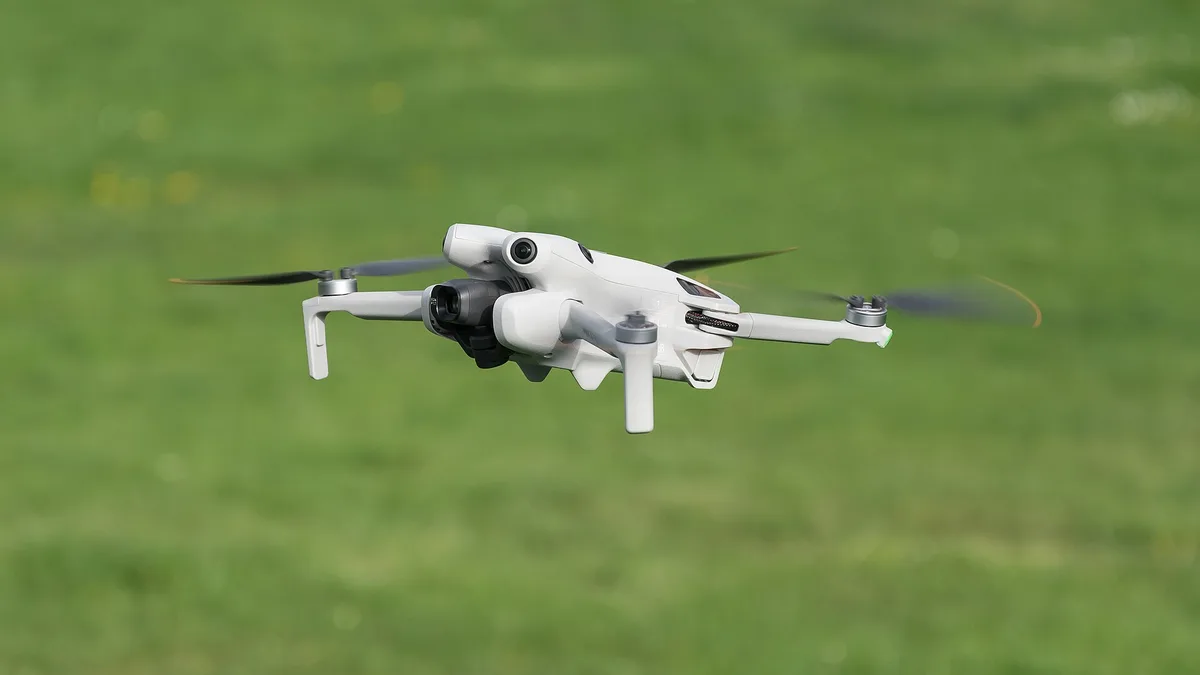
Dji Mini 4
| Weight (takeoff) | < 249 g |
|---|---|
| Maximum flight time | Approximately 34 minutes |
| Maximum transmission range | 20 km |
| Camera sensor | 1/1.3-inch CMOS |
| Video resolution | 4K/60fps |
| Obstacle sensing | Omnidirectional |
| Original use | Consumer aerial photography and videography |
Origin and history
The DJI Mini 4 originates from Shenzhen, China, developed by the technology company DJI. It was launched in the 2020s as part of DJI's long-running Mini series of consumer drones. This series was established earlier in the decade with the goal of creating capable yet ultra-portable aircraft. The Mini 4 represents a continuation of iterative improvements upon its predecessors, the Mini 3 and Mini 3 Pro. Its development is directly tied to evolving global drone regulations concerning aircraft weight. The model's existence is fundamentally shaped by a specific rule that categorizes drones under 250 grams for operational permissions.
What it is designed for
The DJI Mini 4 is designed primarily for recreational and semi-professional aerial photography and videography. Its core design purpose is to offer a high-quality imaging experience in a package that falls under the 250-gram weight class. This weight is strategically targeted to comply with simplified regulatory frameworks in many regions, such as the European Union and the United Kingdom. The drone is intended for travelers, hobbyists, and content creators who prioritize portability without sacrificing advanced camera features. It is engineered for ease of use, featuring automated flight modes and obstacle sensing to assist pilots of varying skill levels. The design balances compact folding dimensions with sufficient flight time for typical shooting sessions.
Development and versions
The development of the DJI Mini 4 followed the successful market reception of the Mini 3 series, which introduced a larger sensor and a gimbal capable of true vertical shooting. Key development goals for the Mini 4 included enhancing obstacle avoidance capabilities and refining transmission systems. A standard version and a "Pro" variant were released concurrently, with the Pro model typically incorporating more advanced sensors and features. These versions represent DJI's strategy to segment the market within the same weight category, offering tiered functionality. Development focused on software integration, providing newer automated subject tracking and flight path modes. The iterative process also addressed battery optimization to maintain the sub-250-gram weight while integrating new hardware.
Dji Mini 4 review
In assessment, the DJI Mini 4 is widely regarded as a highly refined and capable ultra-lightweight drone. Its camera system, building on the previous generation, delivers reliable 4K video and high-resolution photos suitable for online content and personal projects. The enhanced omnidirectional obstacle sensing, particularly on the Pro model, provides a significant safety net for pilots flying in complex environments. The transmission system offers robust connectivity and range that meets the needs of most users, though physical obstructions remain a universal challenge for any consumer drone. Flight performance is characterized by stable hovering and responsive controls, which inspire confidence during operation. Critiques often center on the premium cost of the Pro model and the necessity of additional batteries for extended outings.
Overview
The DJI Mini 4 is an ultra-portable, folding quadcopter drone weighing less than 250 grams. It features a three-axis gimbal-stabilized camera capable of recording 4K video and capturing 48-megapixel photographs. The aircraft incorporates a suite of sensors for positioning and, on certain models, for obstacle avoidance in multiple directions. It is controlled via a dedicated radio controller that connects to a smartphone for a live video feed and full telemetry data. Standard intelligent flight modes include ActiveTrack for subject following, QuickShots for automated cinematic moves, and MasterShots for edited sequences. The system operates within DJI's ecosystem, requiring the DJI Fly application for activation, flight planning, and media management.
What to know
Potential operators must know that the sub-250-gram weight primarily affects registration and pilot certification requirements, not a blanket exemption from all aviation rules. Local regulations governing flight near people, over private property, and in controlled airspace almost always still apply. The drone's wind resistance is limited compared to heavier models, making flights in breezy conditions more challenging. While the battery provides a stated flight time, real-world duration is reduced when facing wind or using active filming modes. The camera, while excellent for its class, uses a small sensor that struggles in very low-light conditions compared to larger drones. Users should understand that purchasing only the base kit often leads to immediate additional costs for spare batteries, a carrying case, and potentially ND filters.
Common questions
A common question is whether the DJI Mini 4 requires registration with aviation authorities. The answer is that in jurisdictions like the United States and Canada, all drones used for recreational purposes must be registered, regardless of weight. Many ask about the difference between the Mini 4 and the Mini 4 Pro, which typically lies in the comprehensiveness of the obstacle avoidance system and certain video bitrate capabilities. Users frequently inquire if the drone can follow a subject without a smartphone connected, which it cannot, as the tracking processing occurs within the mobile app. People wonder about the necessity of DJI's Refresh care plan, which is a consideration given the repair costs for a compact, integrated device. Questions often arise regarding its performance in cold weather, where battery life will be noticeably reduced and pilots must monitor voltage warnings closely.
Pros and cons
The image quality and flight stability are exceptional for the form factor, rivaling heavier, older professional models. The omnidirectional obstacle sensing on the Pro model genuinely prevents crashes for inattentive pilots or during complex automated shots. A primary con is the fragility inherent in its lightweight construction; a minor crash that a heavier drone might withstand can result in costly damage to the gimbal or arms. Many users regret choosing the standard model over the Pro after realizing the value of full obstacle avoidance in practical use. The common mistake is assuming the weight rule grants permission to fly anywhere, leading to fines or incidents when local restrictions on altitude, proximity to airports, or privacy are ignored.
Who it suits
This drone suits travel photographers and hiking enthusiasts who need a capable camera that adds minimal weight to their backpack. It is ideal for hobbyists entering aerial photography who want a manageable learning curve with robust safety features, especially in the Pro configuration. Content creators for social media platforms find it a powerful tool for producing dynamic b-roll and establishing shots without a large operational footprint. It is less suited for professional cinematographers requiring raw video output, superior low-light performance, or extreme wind tolerance for commercial shoots. The model also suits existing drone pilots seeking a secondary, more discreet aircraft for locations where a larger drone would be impractical or draw unwanted attention. It is not recommended for those primarily needing a drone for industrial inspection, long-range mapping, or other enterprise applications where payload or ruggedness is critical.
Latest Dji Mini 4 news
Latest reporting
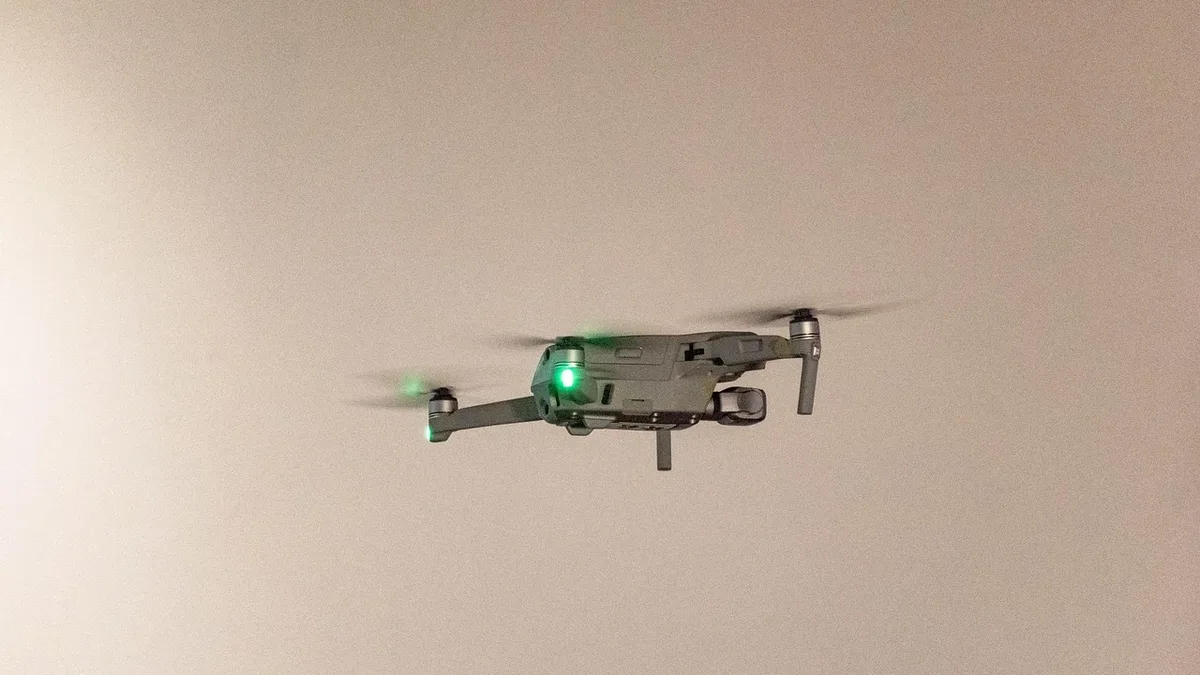
High Great launches EMO Mini, 249-g drone for shows
High Great Innovation has unveiled the EMO Mini, a 249-gram drone aimed at professional aerial light shows. The aircraft offers an integrated case...
DJI Mic Mini 2S Adds Internal Recording Without Increasing Size
DJI has released the Mic Mini 2S, a new microphone with built-in recording, upgraded AI noise canceling, and support for up to four transmitters...
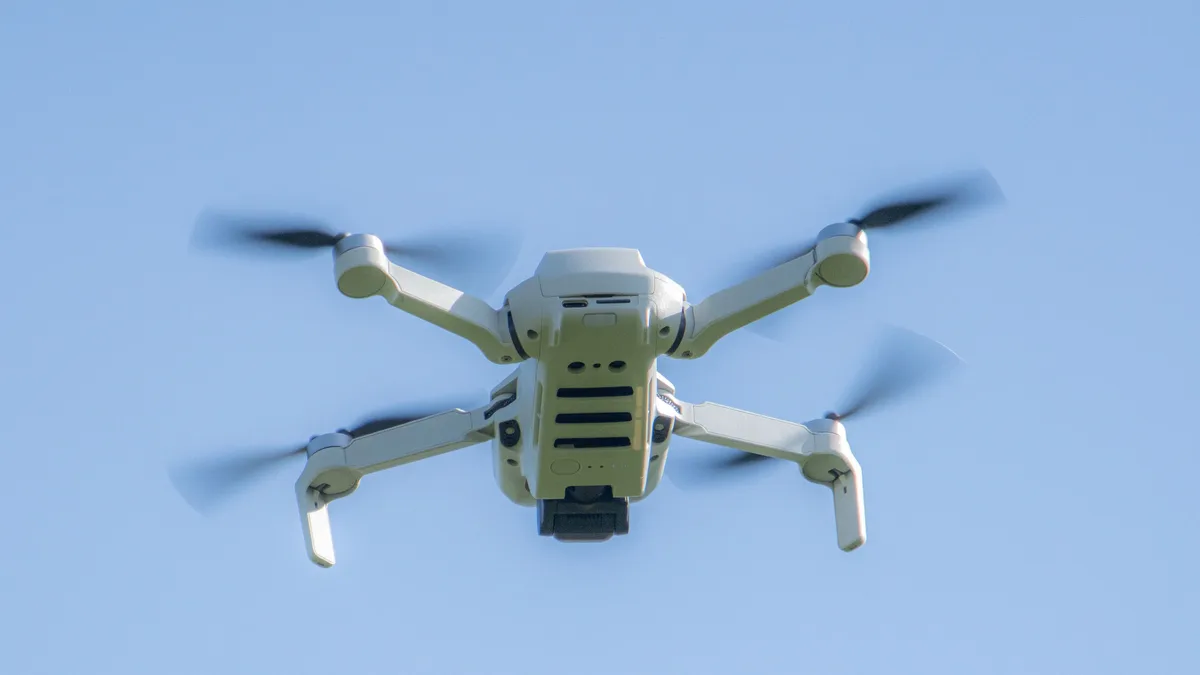
FCC Considers Banning DJI Drones Already Approved for Sale in the US
The Federal Communications Commission (FCC) is considering restrictions on previously authorized foreign-made drones with technologies including...