U.S. Air Force Awards Aerostar Swamp Gas Balloon Contract
The U.S. Air Force has given Aerostar a $64.4 million sole-source contract to develop the 'Swamp Gas' high-altitude balloon prototype.
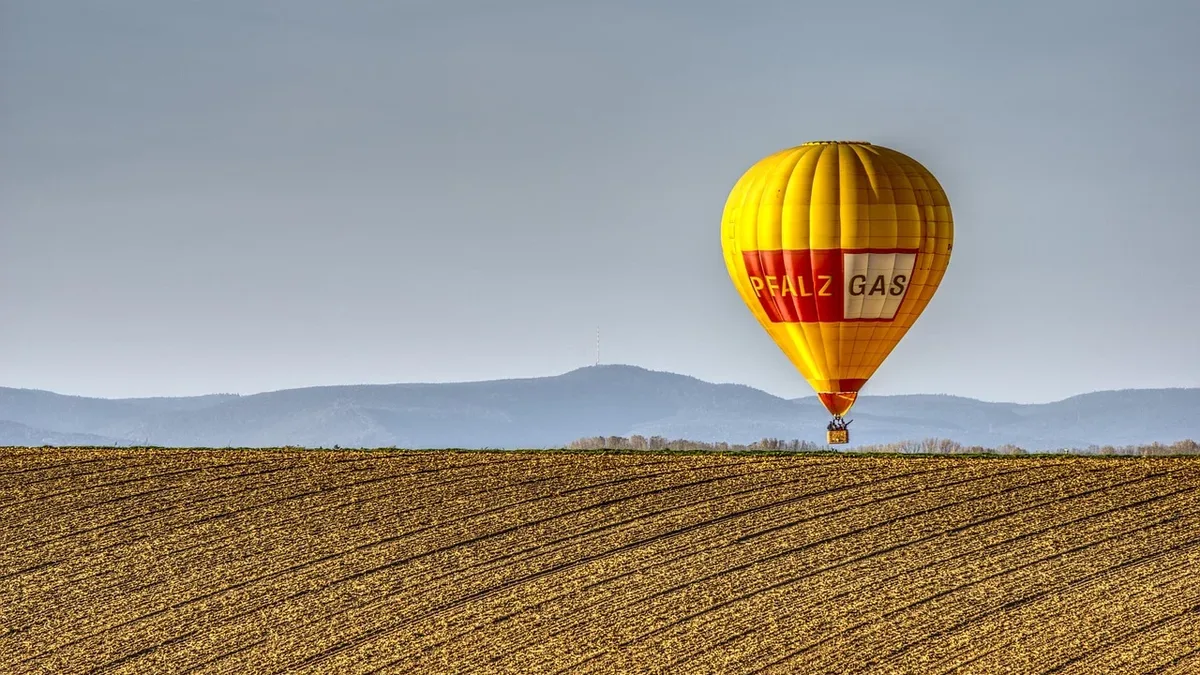
The U.S. Air Force has awarded Aerostar a sole-source contract for the 'Swamp Gas' high-altitude balloon prototype, a name rooted in a 1966 UFO explanation by J. Allen Hynek. The $64.4 million contract aims to rapidly produce a minimum viable product, bypassing traditional slow procurement to address an immediate operational urgency. The Air Force Life Cycle Management Center at Wright-Patterson Air Force Base, Ohio, is managing the project, which is scheduled for completion in March 2028.
Work is underway in Arlington, Virginia. Nearly all funding was committed at once, with $57.7 million from fiscal 2025 research and development funds and $6.3 million from fiscal 2026. The contract notice does not disclose the balloon's exact mission, its payloads, its end-users, or which military command requested it. The project supports a defined 'High-Altitude Balloon Operational Urgency.' Development is scheduled to finish by March 23, 2028.
Technical capabilities and strategic intent
Aerostar’s existing Thunderhead balloon system uses advanced machine-learning algorithms to ride shifting wind currents. This allows the balloons to remain stationed over geographic areas for months. They operate between 16,800 and 22,900 meters (55,000 and 75,000 feet), above most weather and commercial air traffic. A Thunderhead can stay aloft for 60 days or more and carry up to 90 kg (200 pounds) of equipment.
The company also makes a smaller balloon called Lightning, designed for a single payload and launch by a small team without a runway. Military strategists are exploring aggressive applications beyond observation. Recent developments indicate high-altitude balloons are being tested as motherships for carrying and launching smaller unmanned aerial vehicles.
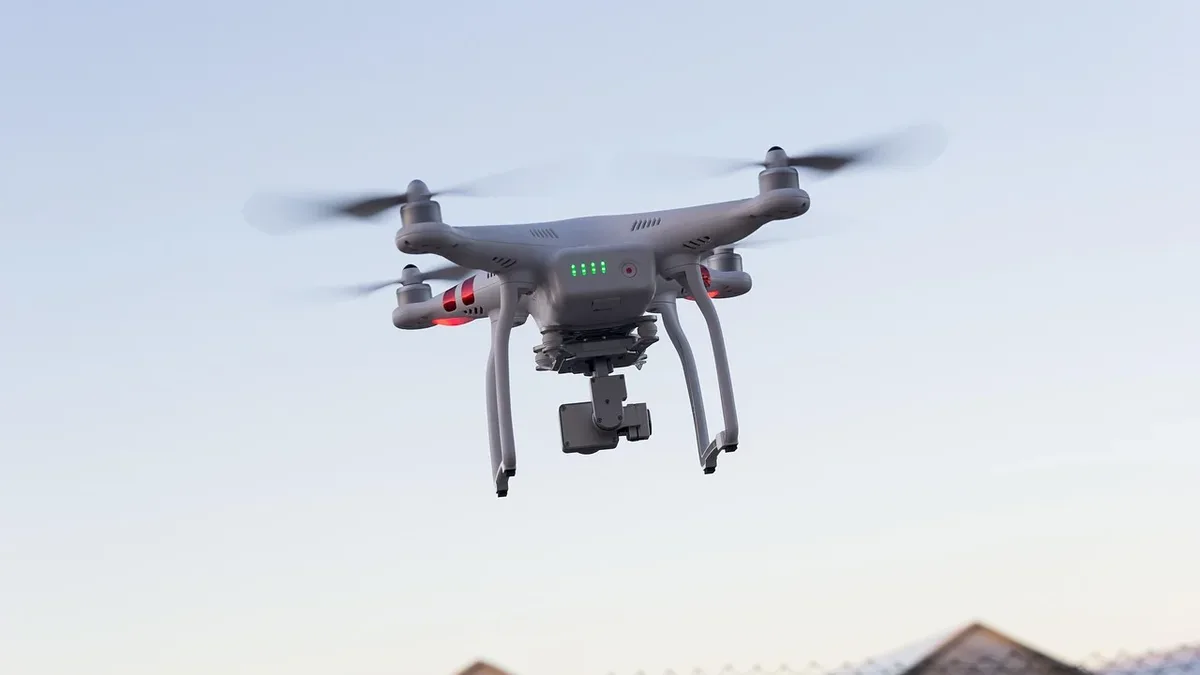
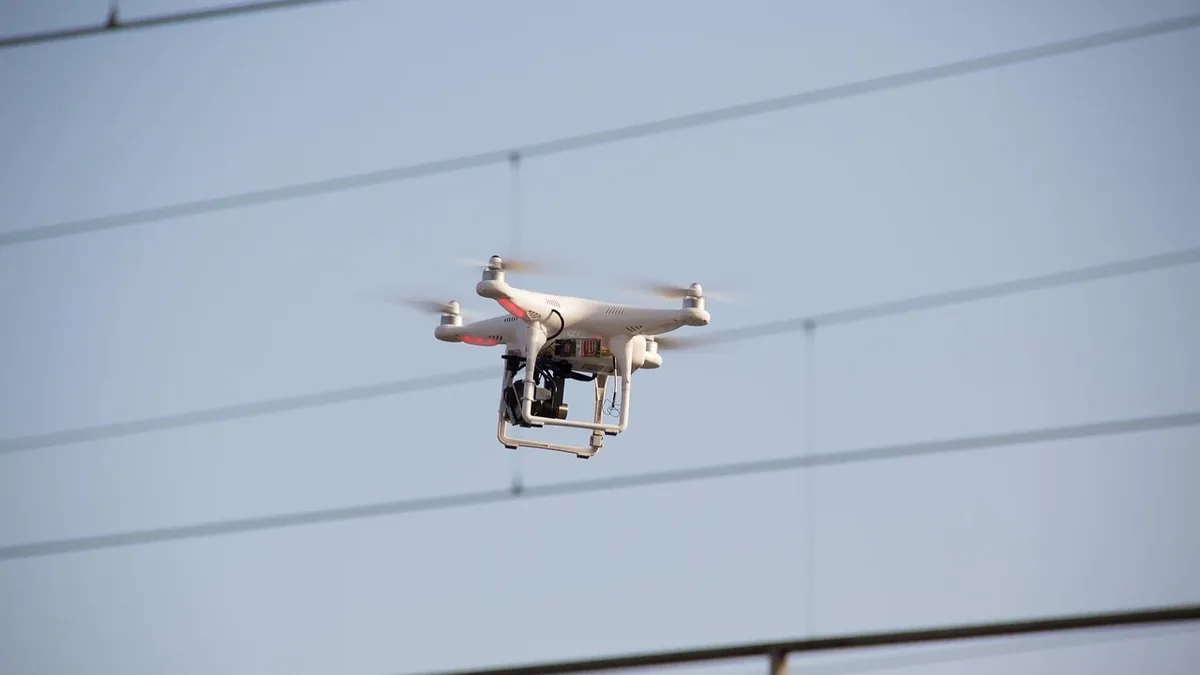
Deploying drones from the stratosphere could extend operational reach and establish persistent surveillance networks. It adds a key layer of resilience to modern warfare. In 2021, the Defense Innovation Unit hired Aerostar to demonstrate how stratospheric balloons could carry communications relays and sensors. Aerostar has since paired its balloons with the solar-powered Apollo-R drone built by Icarus, with the balloon lifting the drone into the stratosphere before it flies independently.
Russ Van Der Werff, an Aerostar executive, stated that its balloons carry radio links with ranges beyond 160 km (100 miles) and that a Thunderhead could act as a 'mothership' for several drones. The U.S. Army has tested balloon-carried drones in at least three exercises this year. The most recent launch occurred on Japan’s Hokkaido island on September 18 during Exercise Orient Shield 26, where a micro high-altitude balloon carried an Apollo-R drone. Earlier launches took place off Morocco during African Lion 26 and on Guam during Valiant Shield 2026.
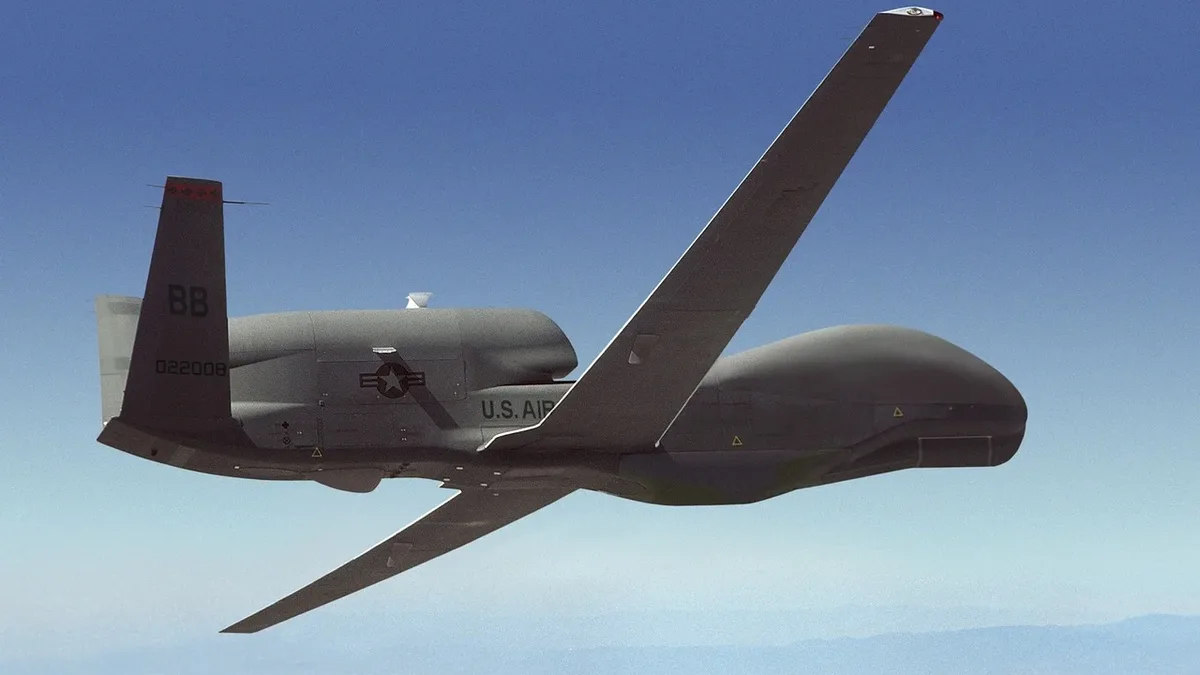
Proponents argue high-altitude balloons are a resilient and cost-effective alternative to orbital satellite networks and aircraft like the Global Hawk. They are cheaper and can linger over an area for weeks. High-altitude balloons drew wide public attention in February 2023 when a U.S. Air Force F-22 shot down a Chinese balloon off South Carolina after it drifted across the United States. The Swamp Gas project aims to harness similar stratospheric persistence for U.S. Capabilities. Work continues in Virginia to produce the prototype.