FAA and EASA See Collaboration as Key to Scaling BVLOS
Regulators from the FAA and EASA highlighted shared challenges in scaling BVLOS drone operations, emphasizing collaboration and data over regulation alone
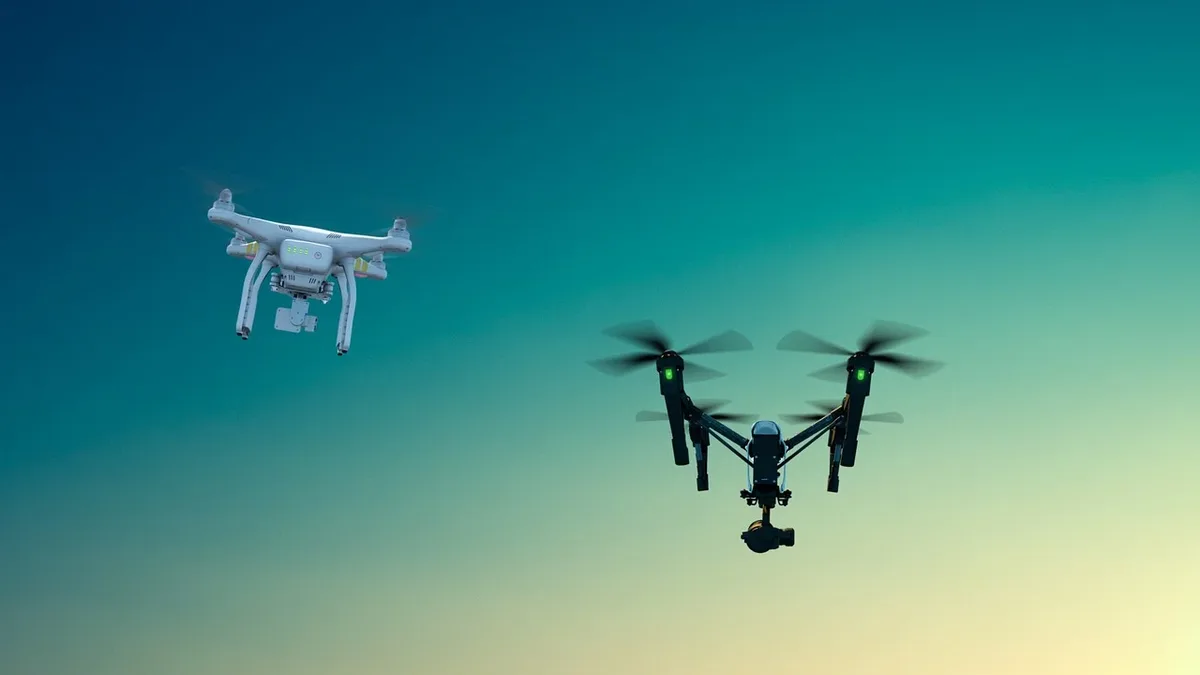
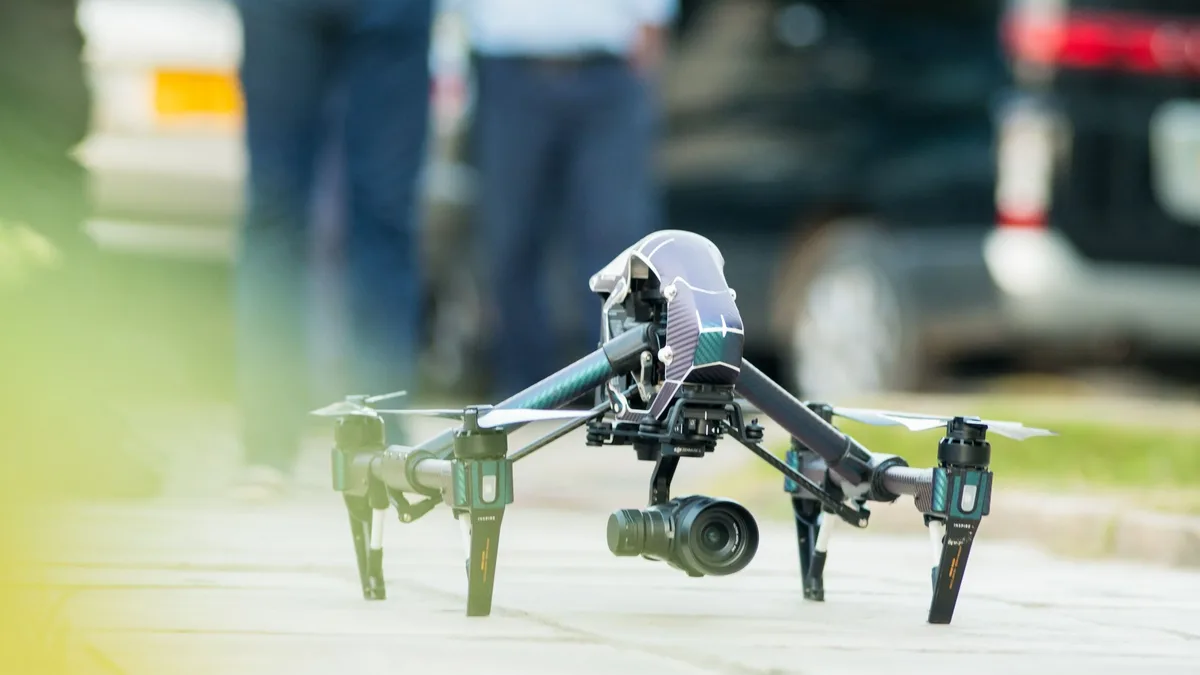
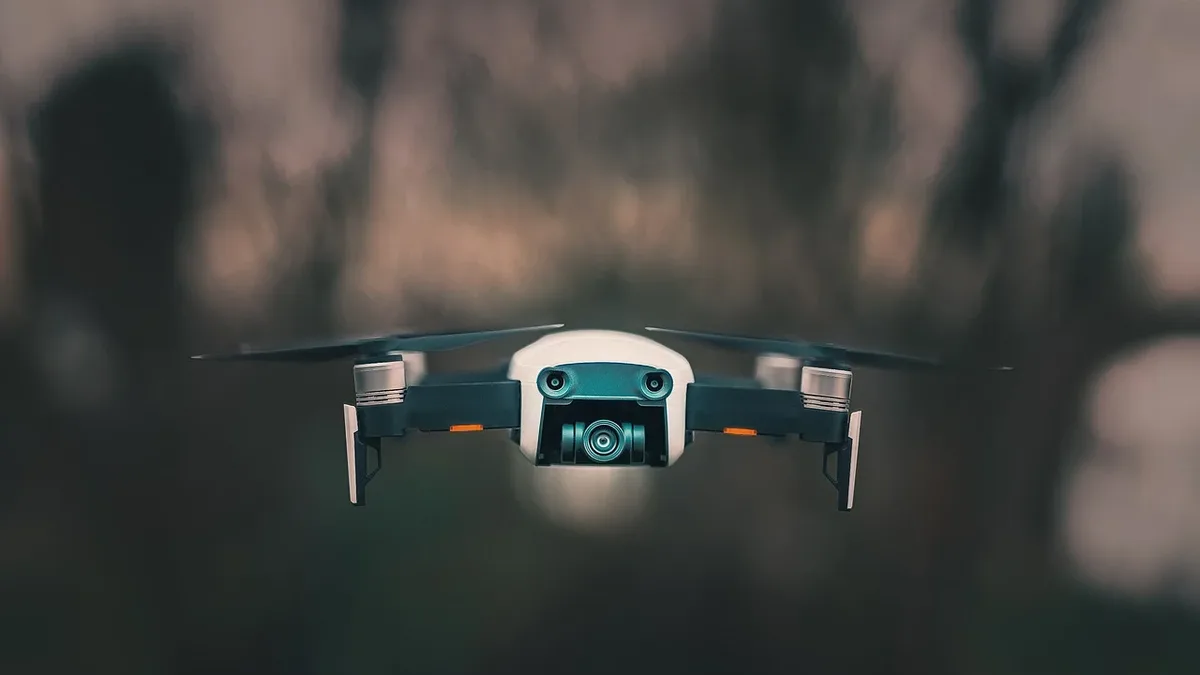
The Federal Aviation Administration and the European Union Aviation Safety Agency are confronting similar challenges in scaling beyond visual line of sight drone operations, despite their different regulatory paths. Officials from both agencies discussed the need for collaboration and data at the Commercial UAV Expo in Las Vegas.
Robert Reckert, Acting Division Manager of the FAA’s Emerging Technologies Division, and Dan Dousi, Head of Department for Innovative Air Mobility at EASA, participated in a panel moderated by Avtrain CEO Julie Garland. The discussion, titled "Two Skies, One Conversation: Comparing FAA and EASA Approaches to BVLOS Drone Operations," revealed a common focus on safety outcomes.
Different Frameworks, Similar Goals
Europe and the United States have built their regulatory systems differently. Europe developed the U-space concept, a regulatory framework adopted in 2021 and applicable since 2023, which establishes services for drone operations in designated airspace. For higher-risk operations, Europe uses the Specific Operations Risk Assessment, or SORA, a methodology EASA updated to version 2.5 in 2025.
The U.S. Approach began with the FAA’s Integration Pilot Program in 2017, evolving into the BEYOND program and other initiatives. The Dallas-Fort Worth area has become a key testing ground for UAS Traffic Management. The U.S. Is now moving toward a new rule called Part 108, designed to provide a framework for routine BVLOS flights.
Dan Dousi noted the complexity of Europe's structure, with 31 member states and aviation authorities. "SORA was a good compromise," he said. Robert Reckert stated that the underlying safety goals align. "I don’t think that our methodology and outcomes are that different, the framework is different," Reckert said. "The idea of assessing risk is the same, we talk about it differently."
Part 108 Will Not Finish the Work
For the U.S. Industry, Part 108 represents a shift from case-by-case approvals. Reckert cautioned that publishing the rule is not a final solution. "One of the big challenges is how do we communicate policies," he said. "Just because the rule [Part 108]is done doesn’t mean that the work is done."
A major lesson from existing operations is the critical need for data. This includes safety data, flight data, and information about failures. Factors like maintenance, weather, and human support all contribute to safety outcomes. Part 108 could therefore be a transition point, establishing a framework that real-world experience will then refine at scale.
Managing Future Low-Altitude Traffic
Scaling BVLOS operations raises the question of managing increasingly crowded airspace. When asked how this should be handled, Reckert's answer was succinct: "Collaboration." He elaborated, "We as a regulator can’t do it alone. We can’t write enough rules to make the congestion manageable."
The FAA handles aircraft separation and certification, but Reckert stated that all airspace users must participate. Moderator Julie Garland pointed to interoperability as another critical need. Dan Dousi said visibility for all aircraft is becoming more important in Europe as operations increase. EASA is working on solutions equitable for different users.
The challenge evolves as BVLOS scales. Establishing a regulatory path is one step. Managing growing numbers of drones alongside other aircraft will require addressing interoperability, operational practices, and shared use of airspace. On this front, the FAA and EASA appear to be moving toward a similar destination.